
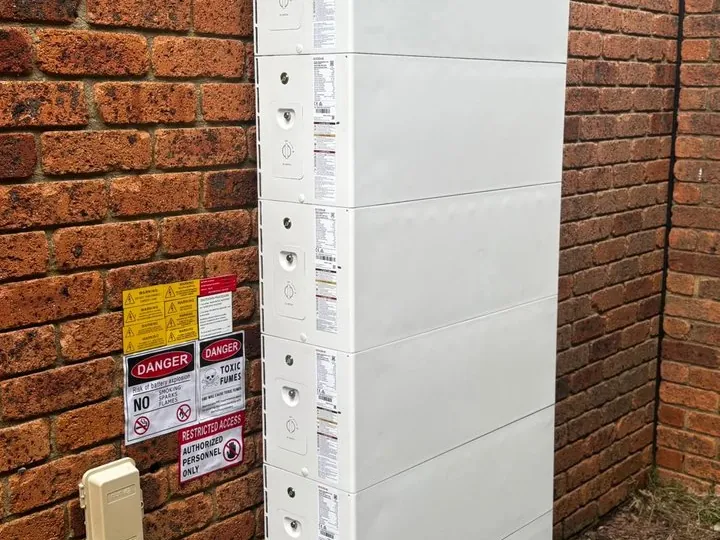
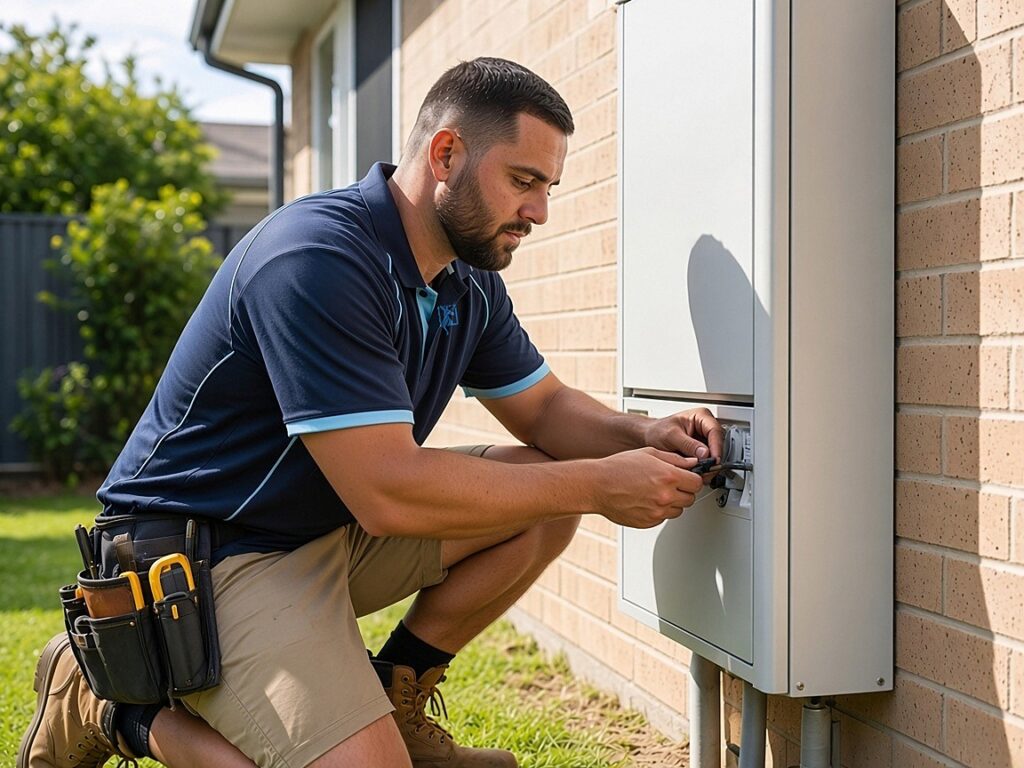
Many homes look at a usable capacity of about 8 kWh to 14 kWh. Smaller homes with modest evening use may sit lower. Homes with high evening use, such as those running heating, cooling or a pool pump at night, may need more.
There is no single size that suits every home, and bigger is not automatically better. A battery is most useful when it fills most days and is drawn down most evenings. If it rarely fills, part of what you paid for sits idle.
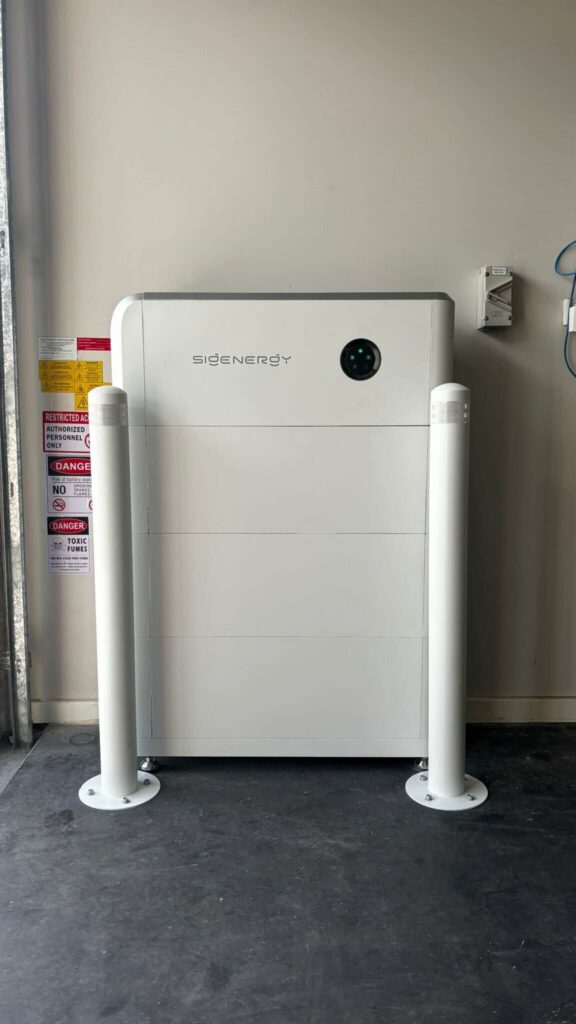
A lithium battery is a common type for home storage. Some come as a single unit at a set size, while others are built from modules. Some modular systems let you add storage later, which can suit homes that expect their use to change, for example with an electric vehicle or new appliances. Ask whether the system you are considering can be expanded, and what that would involve.
Charlie Sparks supplies options such as Tesla Powerwall and Sigenergy, among others. Each comes in its own sizes and setups, and the right fit depends on your home rather than the brand alone. For help comparing options, read our guide to the best solar batteries.
What Changes the Size You Need
Even with good data, a few other things can push the right size up or down:
- Inverter compatibility: some homes can connect a battery to the existing inverter, while others need a hybrid inverter, which can affect which sizes make sense
- Backup reserve: if you want the battery to keep some power aside for a blackout, that reserve is not available for everyday use, so you may need more capacity
- Season: solar output is lower in winter, so a battery that fills easily in summer may not fill every winter day
- Charging losses: a small amount of energy is lost when a battery charges and discharges, so stored power is a little less than the solar that went in
- Future plans: an electric vehicle, a pool or a move to electric appliances can change your evening use
Incentives can also affect the final cost of the size you choose. A battery rebate or federal discount may apply to eligible systems, so it is worth checking current government programs, and your quote will show whether a discount applies and how it has been included.
For more on prices, read how much do solar batteries cost and our guide to solar battery installation cost.
How Charlie Sparks Sizes a Battery for Your Home
Our approach to battery installation starts with your home, not a standard package. A sizing assessment usually looks at:
- Your bills, or interval data from your meter where it is available
- Your roof and the size and age of your existing solar system
- Your existing inverter, and whether a hybrid inverter or other changes are needed
- Where the battery can be mounted, and whether you want backup for a blackout
- Any plans that could change your use, such as an electric vehicle
From there, your electrician recommends a size, explains why, and gives you a written quote that shows the battery, the inverter work, any discount and what is included. Your electrician will confirm the price for your job. Call us for a free quote.
If you are adding a battery to an older system, it can also be worth having the inverter checked. Read more about inverters or our solar electrician Sydney services.
Frequently Asked Questions
What size battery do I need for a 6.6 kW solar system?
It depends on how much spare solar the system makes and how much power your home uses in the evening and overnight. A 6.6 kW system on one home may leave a lot of surplus, while on another it may leave very little. Your electrician can size a battery from your bills and your solar output.
Is a bigger battery always better?
No. A battery that rarely fills adds cost without adding much value. The right size is one that fills most days from your spare solar and covers most of your evening use.
Can a battery run my house in a blackout?
Some can, if the system is set up for backup and the right circuits are connected. Backup is a feature to check, not something every system includes, and it may only cover selected circuits rather than the whole home.
What is usable capacity?
Usable capacity is how much stored energy the battery can actually deliver, measured in kWh. It is the figure to compare when sizing a battery, rather than the headline number on a brochure.
How much does a solar battery cost?
The price depends on the usable capacity, the brand and model, the inverter work, the install and whether a federal discount applies. Your electrician will confirm the price for your job. Call us for a free quote.
Talk to Charlie Sparks About Battery Sizing
Charlie Sparks is a Condell Park solar and electrical company helping homes in Bankstown, Yagoona, Bass Hill and across greater Sydney. Sydney’s Trusted Solar Installers with Solar Accreditation (SAA) for safe, quality, and on-time solar and electrical solutions. Serving New South Wales residents, businesses, and strata estates for over a decade.
Call us for a free quote.
Call Charlie Sparks on (02) 8310 4077. We are open Monday to Saturday, 7am to 6pm. Closed Sunday. You can also contact Charlie Sparks online.