
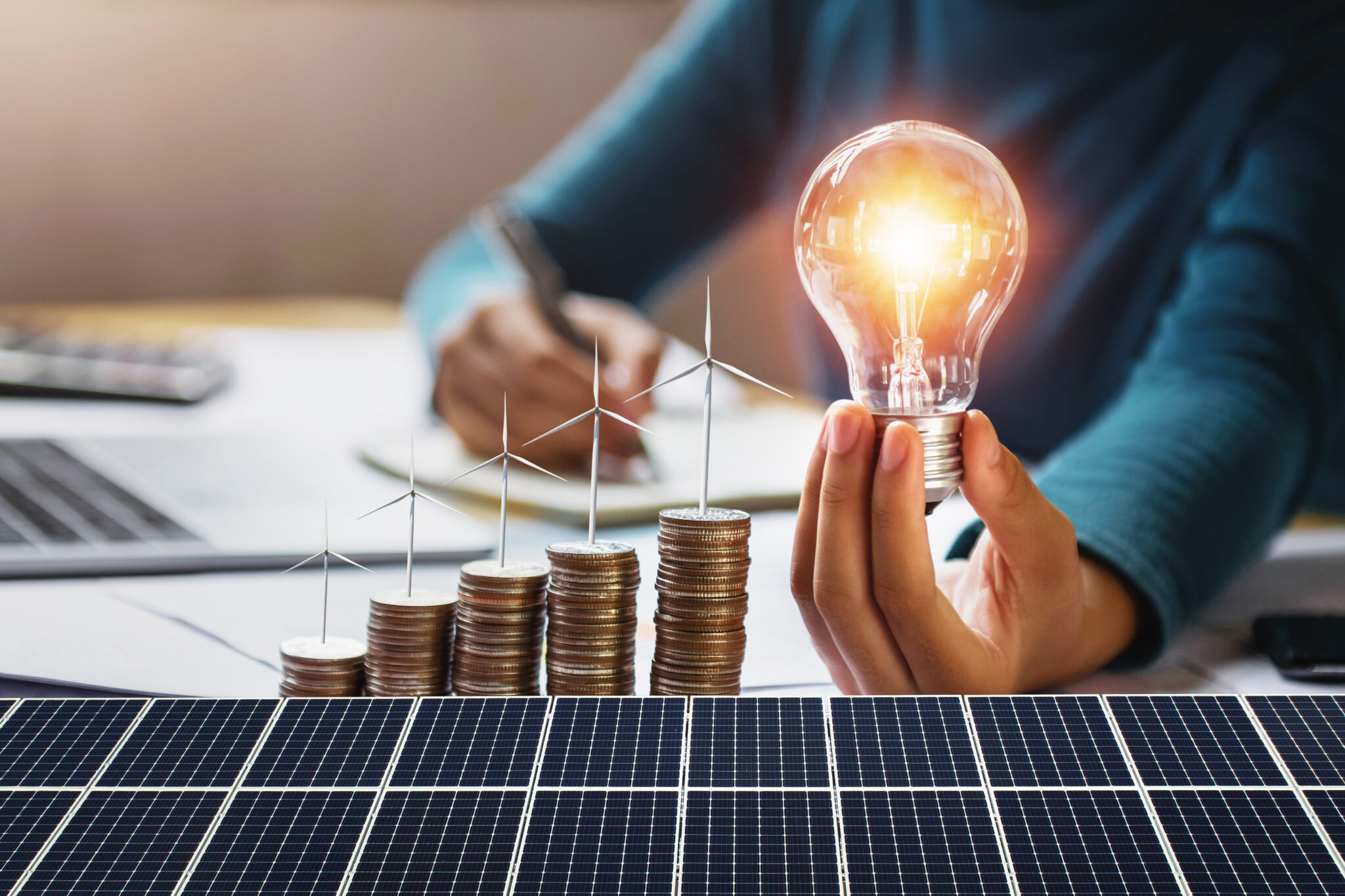
solar energy reduces electricity costs by allowing you to generate your own power, rely less on the grid, avoid peak tariffs, and store excess energy for later use. For Australian households and businesses facing rising power prices, installing solar panels and pairing them with batteries can significantly lower quarterly bills while improving energy independence.
Australia has some of the highest rooftop solar adoption rates in the world. With abundant sunshine across states such as Queensland, New South Wales and Victoria, solar power is not only environmentally responsible but also financially sensible. Understanding how the savings work helps you make smarter decisions for your home or commercial property.
Tired of Rising Power Bills?
Our licensed team can design a solar and battery setup that cuts your electricity costs. Talk to Charlie Sparks.
Real Savings from Australian Installations
Over the past several years, we have worked with homeowners and businesses across Queensland, New South Wales and Victoria who have reduced their quarterly electricity bills by 40 to 70 percent after installing properly sized solar systems. In many cases, the biggest savings occurred when systems were designed around actual usage patterns rather than simply maximising panel numbers.
Generating Your Own Electricity
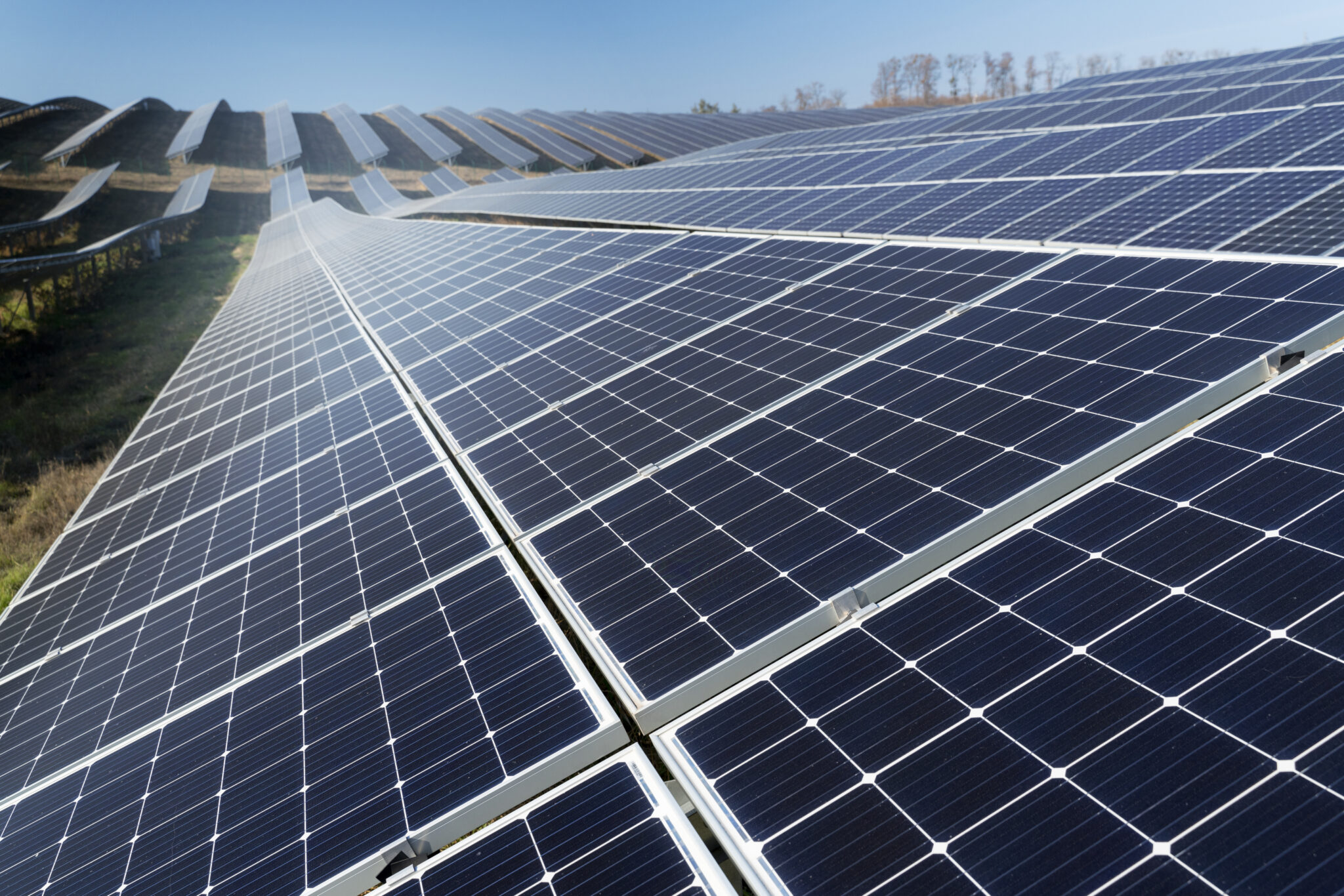
The primary way solar reduces costs is simple. Your solar panels produce electricity during the day. Instead of buying all your electricity from your retailer, you use the energy your system generates.
If your system produces 20 kWh in a day and your home uses 18 kWh, most of your energy needs are covered without drawing from the grid. Since grid electricity rates in Australia can range from 25 to 45 cents per kWh depending on your location and tariff, every unit of solar power you consume directly reduces your bill.
This is known as self-consumption. The higher your self-consumption, the greater your savings.
Exporting Excess Power to the Grid
When your solar system produces more energy than you use, the excess can be exported back to the grid. Your electricity retailer provides a feed-in tariff for that exported energy.
However, feed-in tariffs are often much lower than the rate you pay to import electricity. For example, you might receive 5 to 10 cents per kWh for exported energy but pay 35 cents per kWh to buy it back later.
This price difference is where many households lose value. While exporting energy is beneficial, it is often more cost-effective to store surplus electricity and use it later rather than sell it cheaply and repurchase it at a higher rate.
Solar Batteries and Energy Storage
Storing Surplus Solar Energy for Later Use
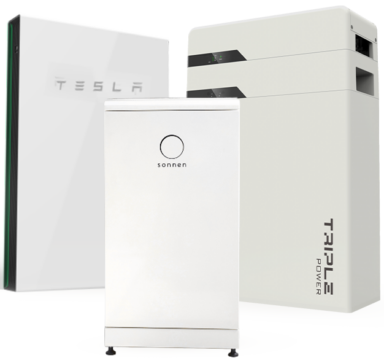
Solar batteries allow you to store surplus energy generated during the day for use at night or during cloudy weather. This significantly increases your self-consumption rate.
Instead of sending extra electricity to the grid, your battery keeps it on-site. In the evening, when electricity demand and tariffs are often higher, you can use stored solar energy rather than purchasing expensive grid power.
Increasing Savings for Australian Households
For Australian homes that consume most of their electricity after 5 pm, a battery system can make a noticeable difference to overall savings. Over time, this reduction in grid reliance adds up to thousands of dollars.
Professional Assessment for the Right Fit
If you are unsure whether a battery system suits your property, Charlie Sparks can assess your usage patterns and provide clear guidance tailored to Australian conditions.
Time-of-Use Optimisation
Many Australian electricity providers operate on time-of-use tariffs. This means electricity prices vary depending on the time of day.
Peak hours, typically late afternoon and evening, are the most expensive. Off-peak hours are cheaper.
Without solar and storage, households must pay peak rates when demand is highest. With a solar battery, you can run appliances during peak periods using stored solar energy instead of expensive grid power.
This strategy is called time-of-use optimisation. It allows you to avoid the highest tariffs and shift your energy usage to cheaper or self-generated power.
For families running air conditioning in summer or heating in winter, this can make a substantial difference to quarterly bills.
Reducing Demand Charges for Businesses
Understanding Demand Charges for Commercial Properties
For commercial properties, electricity bills often include demand charges. These charges are based on the highest level of power used at any one time during the billing cycle.
For example, if a business hits a peak demand of 200 kW and the utility charges 20 dollars per kW, that results in 4000 dollars in demand charges alone, separate from usage costs.
How Solar and Battery Storage Reduce Demand Spikes
Solar systems paired with battery storage can reduce these demand spikes. During periods of high consumption, the battery supplies additional power, preventing large spikes in grid usage.
Why It Matters for Australian Businesses
This is particularly beneficial for warehouses, manufacturing facilities and retail centres across Australia where equipment and cooling systems create heavy loads. Charlie Sparks works with commercial clients to design systems that reduce both consumption charges and demand charges, helping improve long-term operational savings.
Protection Against Rising Electricity Prices
Electricity prices in Australia have increased steadily over the past decade. According to data from the Australian Energy Regulator and state pricing reports, residential electricity tariffs have fluctuated significantly due to wholesale market pressures and network costs. By installing solar, you lock in a portion of your energy costs.
While there is an upfront investment, the cost of generating electricity from your solar system remains relatively stable over its 25 to 30 year lifespan. In contrast, grid electricity prices may continue to rise.
This stability offers financial predictability. Many homeowners view solar as a hedge against future price hikes.
Backup Power During Outages
Energy savings are not the only benefit. A battery system can provide backup power during blackouts.
Extreme weather events, bushfires and grid instability can lead to outages in various parts of Australia. With stored solar energy, essential appliances such as refrigerators, lighting and communication devices can continue operating.
This reduces reliance on petrol generators and adds an extra layer of security for your household.
Types of Solar Batteries and Cost Considerations
Lead-Acid Batteries
Lead-acid batteries are one of the most established options. They are generally lower in upfront cost but have shorter lifespans and lower energy density.
Lithium-Ion Batteries
Lithium-ion batteries are currently the most popular choice for residential installations. They offer longer lifespans, higher storage capacity per kilogram and lower maintenance requirements, though they involve higher upfront investment.
Flow Batteries
Flow batteries are more common in commercial settings. They allow full depth of discharge but require significant space and investment.
Choosing the Most Cost-Effective Option
The most affordable option depends on your usage, property size and long-term goals. A professional assessment helps determine the right balance between upfront cost and lifetime savings. If you are comparing installers, request detailed and transparent quotes that outline equipment, installation costs and any additional services. Charlie Sparks provides clear pricing structures so you understand exactly where your investment is going.
Long-Term Return on Investment
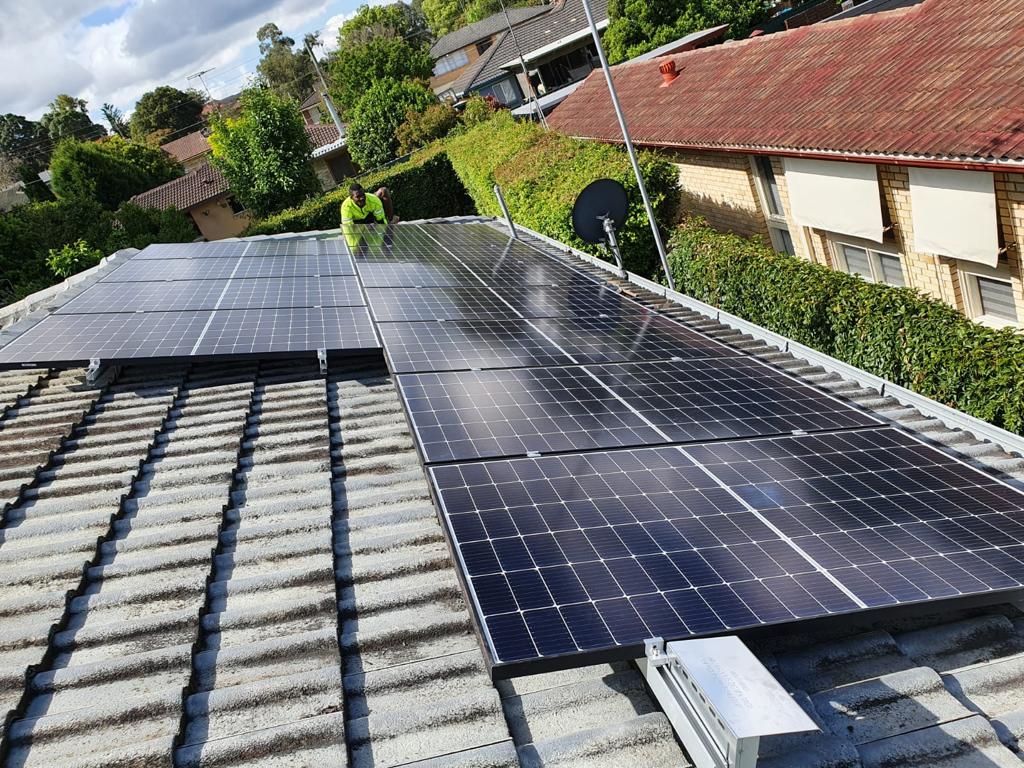
Most Australian residential solar systems pay for themselves within several years, depending on system size, energy usage and local tariffs.
After the system has paid off, the electricity it generates is essentially free apart from minimal maintenance costs. Over two to three decades, the cumulative savings can be substantial.
When combined with potential government incentives and rebates available in various states, the financial case becomes even stronger.
Why Choosing the Right Installer Matters
System Performance Directly Affects Your Savings
The performance of your solar system directly impacts your savings. Poor panel placement, incorrect system sizing or substandard components can reduce energy output and limit financial returns.
The Importance of a Reputable Installer
Choosing a reputable installer ensures proper design, high-quality equipment and ongoing support. If you are considering solar for your home or business, Charlie Sparks can help you evaluate your roof space, energy usage and future needs to design an efficient system.
When selecting an installer, ensure they are Clean Energy Council accredited and use products approved under Australian standards. Accreditation confirms that the system meets safety regulations, performance benchmarks and warranty requirements.
Take the Next Step Towards Lower Energy Bills
Ready to start saving on your electricity bills? Contact Charlie Sparks today for a detailed consultation and take control of your energy costs.
Ready to Cut Your Electricity Costs?
Book a free assessment with Charlie Sparks and see how much solar can save your household.
Frequently Asked Questions
How long does a solar panel installation take in Australia?
Installation time depends on the system size and property type. Most residential systems are installed within a few days once approvals and grid connections are in place.
Can I install solar panels if my roof has some shading?
Yes, although shading can reduce performance. A professional installer can assess your roof and recommend panel placement or optimisation solutions to improve output.
How long do solar panels last?
Most solar panels last 25 to 30 years or more. With proper maintenance, they continue generating electricity efficiently for decades.
Are solar batteries worth it in Australia?
For households with high evening usage or time-of-use tariffs, batteries can significantly increase savings by reducing peak-hour grid consumption.
Will solar eliminate my electricity bill completely?
Not always. Unless your system and storage fully cover your consumption year-round, you may still draw some power from the grid. However, many households reduce their bills dramatically after installation.