
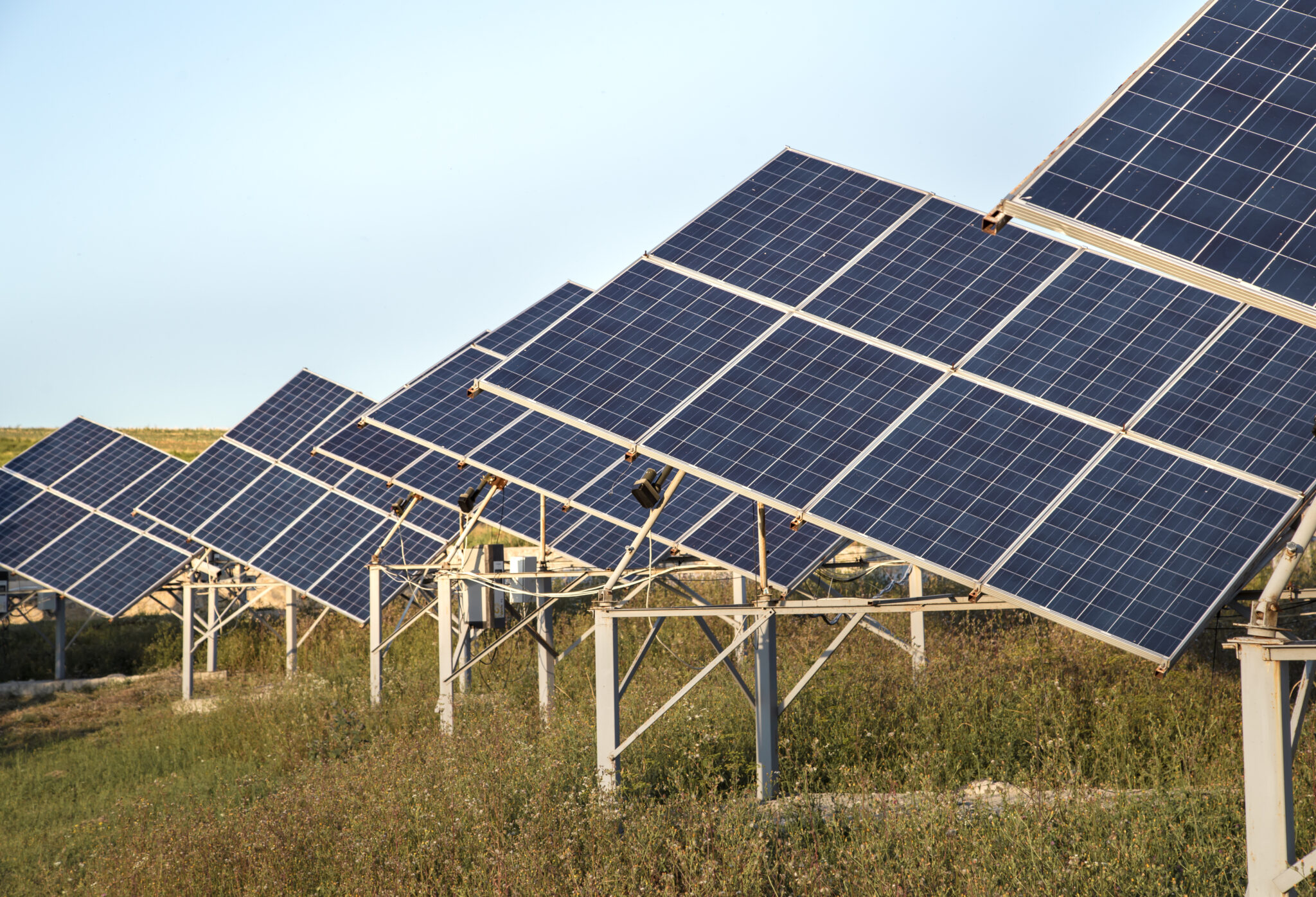
Choosing the Best solar Installer for Your Home comes down to checking credentials, reviewing reputation, comparing quotes, and confirming the quality of products and after sales support. In Australia, where climate conditions, rebate schemes, and compliance requirements vary by state, selecting the right installer is just as important as selecting the panels themselves. A well chosen installer will design a system that suits your roof, your energy usage, and local regulations, while also providing reliable support for years to come.
Installing solar panels is a significant investment. Done properly, it can reduce electricity bills, increase property value, and lower your carbon footprint. Done poorly, it can lead to performance issues and costly fixes. Here is what Australian homeowners should consider before signing a contract.
At Charlie Sparks, our team has installed residential solar systems across a wide range of Australian homes, from single storey suburban properties to larger family residences with complex roof layouts. This hands on experience allows us to identify site specific challenges early and recommend systems that perform reliably in Australian weather conditions.
Looking for a Solar Installer?
Accreditation, warranties and workmanship separate a good install from an expensive mistake. Talk to Charlie Sparks.
Research and Reputation Matter
Start by researching solar installers in your local area. Look for businesses with consistent positive reviews on independent platforms and strong word of mouth recommendations. An installer with years of experience in residential systems is more likely to understand common roof types, council requirements, and grid connection processes.
Check how long the company has been operating and whether they specialise in home installations rather than large scale commercial systems. A strong track record often reflects quality workmanship and dependable customer service.
Charlie Sparks has built a reputation for delivering high quality solar panel installations across Australia, with a focus on customer satisfaction and long term system performance. Reading testimonials and case studies can give you confidence in the installer’s reliability.
Check Credentials and Accreditation
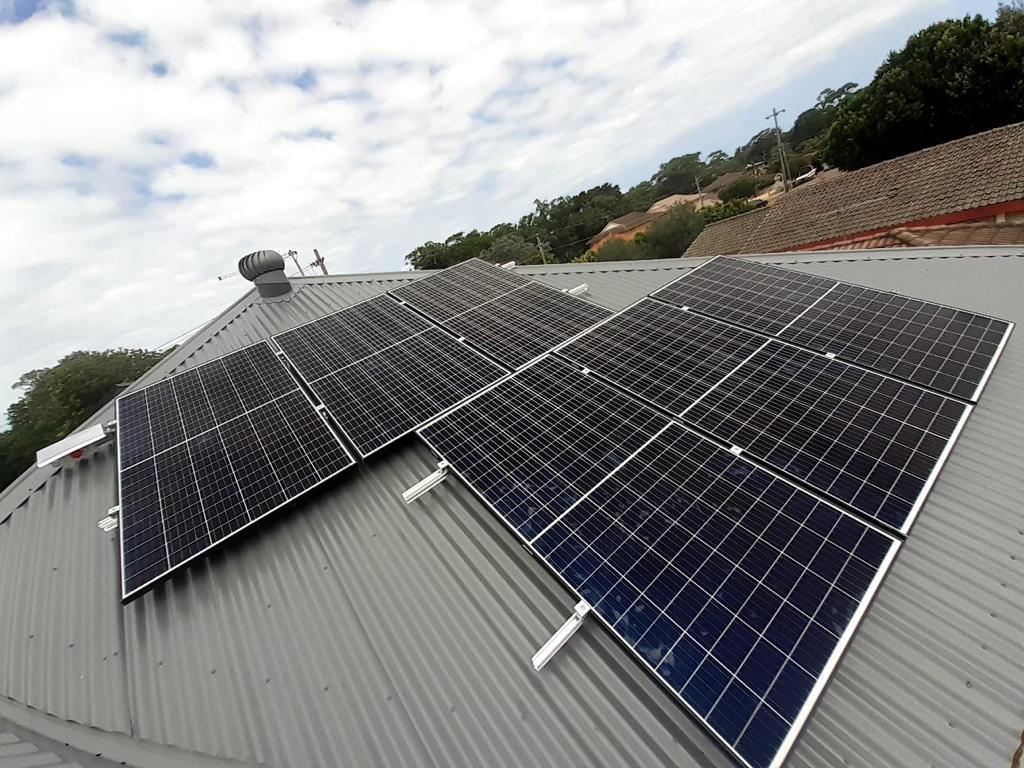
In Australia, accreditation is essential. Your installer should be accredited by Solar Accreditation Australia, previously known as the Clean Energy Council accreditation scheme. This confirms that the installer meets national industry standards and is qualified to design and install grid connected solar systems.
All installations are carried out in accordance with relevant Australian Standards, including AS/NZS 5033 for photovoltaic arrays and AS/NZS 3000 wiring rules, giving homeowners confidence that safety and compliance requirements are met.
Proper accreditation is not just a badge. It affects your eligibility for government incentives such as Small scale Technology Certificates. Without an accredited installer, you may not qualify for rebates.
Charlie Sparks installers hold Solar Accreditation Australia certification, which demonstrates compliance with industry requirements and recognised installation practices.
Request a Consultation and Site Assessment
A reputable installer will not provide a generic quote without first assessing your property. A proper consultation should include:
- An evaluation of your roof orientation and pitch
- An assessment of shading from trees or nearby buildings
- A review of your electricity usage patterns
- Discussion about your budget and future energy needs
This process allows the installer to design a system that matches your household’s consumption rather than oversizing or undersizing the array.
Charlie Sparks offers free consultations and detailed site assessments, helping homeowners understand what system size and configuration will deliver the best return.
If you are comparing providers, notice how thorough they are during this stage. A rushed or overly simplified assessment can signal future issues.
Evaluate the Quality of Products
Not all solar panels and inverters are equal. Ask your installer about the brands they use and the warranties provided. High quality panels typically come with performance warranties of 25 years, while inverters often carry warranties between 5 and 10 years depending on the manufacturer.
Your installer should clearly explain:
- Panel efficiency ratings
- Expected annual energy production
- Product warranty terms
- Workmanship warranty length
Charlie Sparks works with established manufacturers known for reliability and strong warranty support. They also offer workmanship warranties to back their installation quality.
Choosing reliable equipment reduces the likelihood of system faults and protects your investment over time.
Custom System Design
The Best Solar Installer for Your Home will not offer a one size fits all package. Each property is different. Roof space, shading, electricity consumption, and future plans such as electric vehicles all influence system design.
A customised design should consider:
- Panel placement for maximum sunlight exposure
- Inverter location for safety and efficiency
- Future battery storage compatibility
- Aesthetic integration with your home
An experienced installer will explain how each design choice affects energy production and payback period.
Charlie Sparks provides customised solar system designs that align with your home layout and energy goals. They can also discuss financing options to make solar more accessible to Australian families.
Transparent Pricing and Detailed Quotes
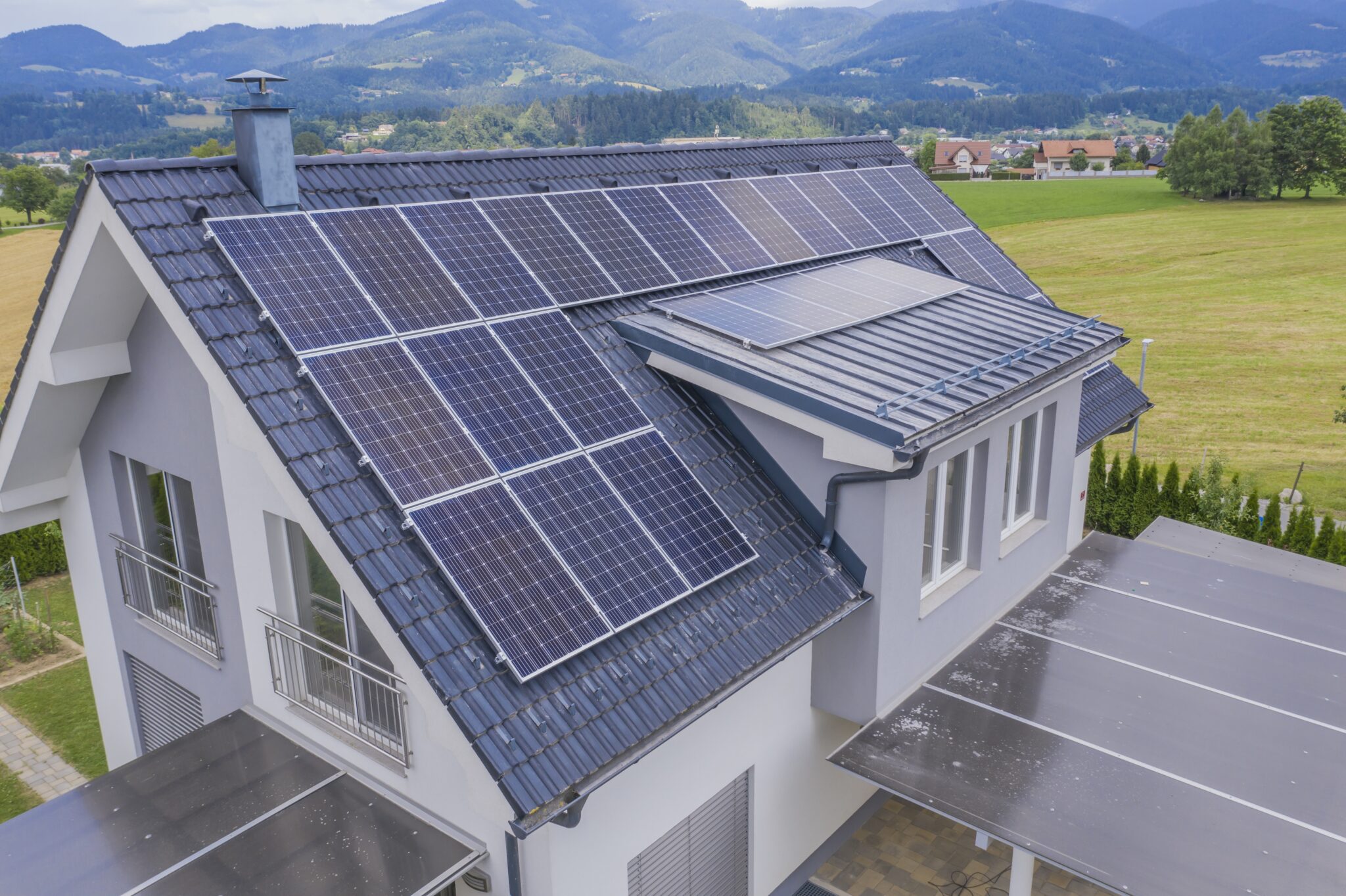
Price is important, but the cheapest option is rarely the best. Instead of focusing only on the total figure, review the breakdown of costs. A clear quote should include:
- Equipment brand and model
- Installation labour
- Grid connection fees
- Any additional electrical upgrades
- Warranty details
Be cautious of vague quotes or unusually low pricing, as this can indicate lower quality components or rushed workmanship.
Charlie Sparks provides transparent and competitive pricing so you understand exactly what you are paying for and why.
Ongoing Support and Maintenance
Solar is a long term investment. Choose an installer who offers monitoring and after sales support. Performance monitoring allows you to track system output and identify issues early.
Ask whether the installer provides:
- System monitoring apps
- Maintenance services
- Fault diagnosis and repair
- Clear contact channels for support
Charlie Sparks offers comprehensive support and maintenance services to help homeowners maintain strong system performance well into the future.
Knowing you can contact your installer years after installation is a major advantage.
Charlie Sparks is a locally operated Australian electrical services provider with a dedicated support team available for post installation enquiries. Homeowners are provided with clear contact details and service response timeframes at the completion of every project.
Understand Local Regulations and Incentives
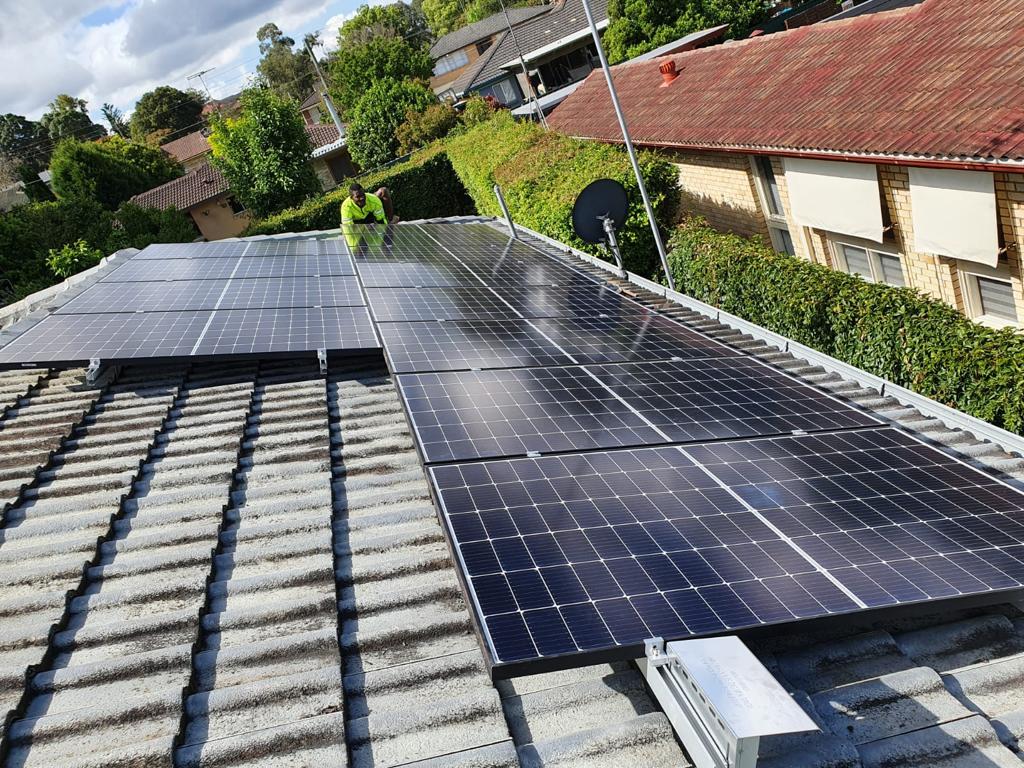
Solar rules and rebates differ across Australian states and territories. A knowledgeable installer should guide you through available incentives and handle paperwork related to grid connection and compliance.
They should explain how Small scale Technology Certificates reduce upfront costs and confirm that all installations comply with Australian Standards.
Working with an experienced local provider such as Charlie Sparks simplifies the process and reduces administrative stress.
The Next Step Forward
Still comparing providers? Reach out to Charlie Sparks to discuss your questions about system design, warranties, and rebates. Speaking directly with an accredited installer can help you make a confident and informed decision.
Want an Installer You Can Trust?
Charlie Sparks is a fully accredited Sydney solar installer. Book a no obligation quote today.
Frequently Asked Questions
How long does a solar panel installation take?
Most residential solar installations in Australia are completed within one to two days. The timeline depends on system size, roof complexity, and weather conditions. Grid connection approval may take additional time depending on your energy distributor.
Can I install solar panels if my roof is shaded?
Yes, but shading can reduce output. A site assessment will determine how much shading affects your roof. Installers may recommend optimisers or adjust panel placement to minimise losses.
How long do solar panels last?
High quality solar panels typically last 25 to 30 years or more. Most manufacturers provide a 25 year performance warranty. Inverters may need replacement sooner, usually within 10 to 15 years.
Do I need maintenance for my solar system?
Solar systems require minimal maintenance. Occasional cleaning and periodic inspections help maintain performance. Monitoring software allows you to track energy production and detect issues early.
Is solar worth it in Australia?
With Australia receiving some of the highest solar radiation levels in the world, residential solar systems can significantly reduce electricity bills. According to government energy data, a properly sized 6.6kW system can offset a substantial portion of average household electricity usage, depending on location and consumption patterns. A professional assessment will provide a clearer estimate based on your individual circumstances.