

For most NSW homeowners, solar panels are absolutely worth it. A well sized system can pay for itself within three to seven years, reduce electricity bills by thousands of dollars over its lifespan, and increase the value of your home. With government incentives and rising power prices across New South Wales, solar delivers strong financial returns alongside environmental benefits.
At Charlie Sparks, we work with households across NSW who want clear numbers and practical advice before investing. If you are considering solar, here is what you need to know about return on investment and how to make it work for your home.
What Does Solar ROI Mean?
Return on investment, or ROI, measures how much financial benefit your solar system delivers compared to what you paid for it. With solar panels, ROI comes from several sources:
- Electricity bill savings
- Government incentives such as Small Scale Technology Certificates
- Feed in tariff payments for exporting excess energy
- Increased property value
When these benefits are added together over 20 to 25 years, most systems generate several times their initial cost in savings.
Solar System Options for NSW Homes
Every household uses electricity differently. System size plays a major role in how quickly you recover your investment.
Small Solar Systems 3 to 6 kW
Ideal for smaller households or properties with lower energy usage.
- Cost after rebates: $3,000 to $6,000
- Annual savings: $800 to $1,500
- Payback period: 3 to 5 years
A 5 kW system without a battery typically costs between $4,000 and $6,000 after rebates and can save around $1,200 per year. Over 20 years, that can mean savings of close to $20,000.
Mid Sized Solar Systems 6 to 8 kW
Suitable for families with moderate electricity consumption.
- Cost after rebates: $6,000 to $9,000
- Annual savings: $1,500 to $2,200
- Payback period: 4 to 6 years
An 8 kW system costing around $7,000 after rebates can generate annual savings of roughly $1,800. Over two decades, savings can exceed $28,000.
Larger Solar Systems 10 kW and Above
Best for large households, home offices, or properties with high daytime usage.
- Cost after rebates: $10,000 to $15,000
- Annual savings: $2,200 to $3,500
- Payback period: 5 to 7 years
A 10 kW system without a battery can save up to $3,000 per year, making it highly attractive for heavy energy users.
Solar Systems with Battery Storage
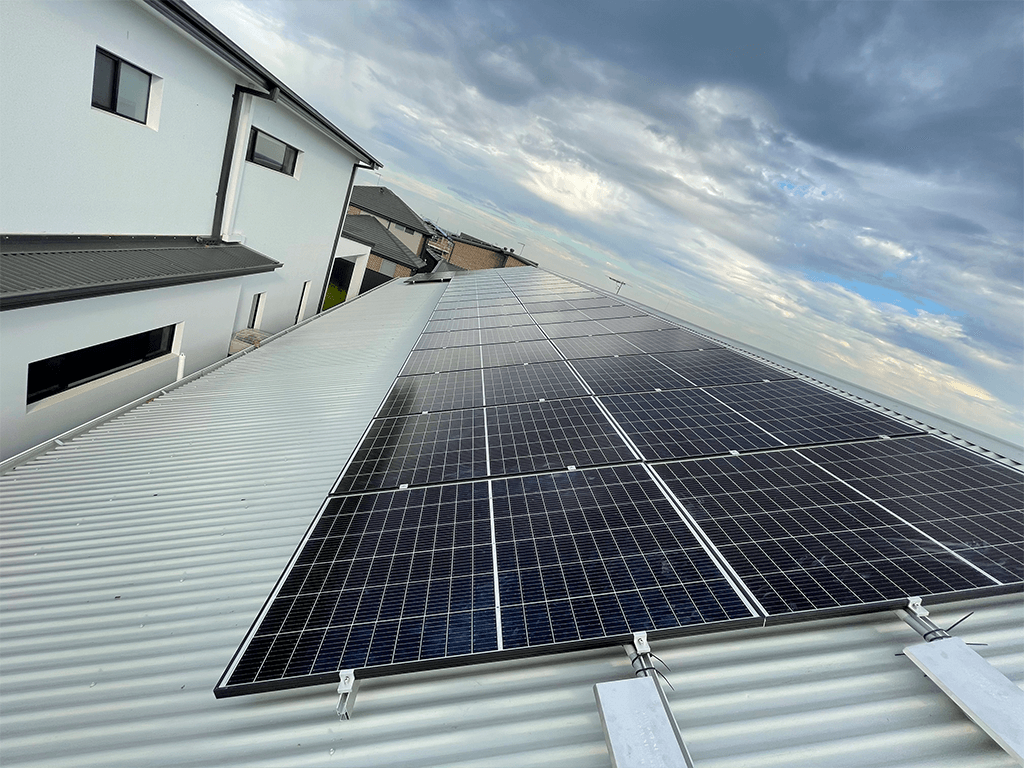
Adding a battery increases upfront costs but improves energy independence by storing power for use at night.
- Cost after rebates for a 10 kW system with battery: $12,000 to $20,000
- Annual savings: $2,500 to $3,800
- Payback period: 7 to 10 years
While batteries extend the payback period, they reduce reliance on the grid and protect you from rising electricity prices.
If you are unsure which system size suits your property, Charlie Sparks can provide practical guidance based on your actual energy consumption and roof space.
What Impacts Solar ROI in NSW?
Several factors influence how quickly your solar system pays for itself.
Upfront Costs
System size, panel quality, inverter choice, and whether you include a battery all affect the initial investment. Rebates through Small Scale Technology Certificates significantly reduce these costs.
Electricity Prices
NSW electricity prices have steadily increased over recent years. The higher your grid electricity rate, the greater your savings from solar.
Feed In Tariffs
Feed in tariffs in NSW typically range from 5 to 12 cents per kWh. While exporting excess power generates income, self consuming your solar energy usually delivers greater financial benefit.
Energy Usage Patterns
Homes that use more electricity during the day benefit the most. If most of your usage occurs in the evening, a battery may improve overall returns.
System Lifespan
Modern solar panels generally last 20 to 25 years. Premium panels degrade at approximately 0.4 per cent per year, which means they continue performing efficiently long after the system has paid for itself.
NSW Specific Considerations
Solar performance in NSW is influenced by regional sunlight levels, which are generally strong across Sydney, Newcastle, Wollongong, and regional areas. Network providers such as Ausgrid, Endeavour Energy, and Essential Energy may have different export limits, which can affect feed in tariff earnings. Checking local grid requirements before installation helps avoid future limitations.
Real World Solar ROI Examples in NSW
Here are three typical scenarios to illustrate potential returns.
Example 1: 5 kW System Without Battery
Cost after rebates: $4,000 to $5,000
Annual savings: $1,000 to $1,400
Payback period: 3 to 4 years
20 year savings: $17,000 to $22,000
Example 2: 8 kW System Without Battery
Cost after rebates: $6,500 to $8,000
Annual savings: $1,600 to $2,000
Payback period: 4 to 5 years
20 year savings: $25,000 to $32,000
Example 3: 10 kW System with 10 kWh Battery
Cost after rebates: $14,000 to $17,000
Annual savings: $2,200 to $2,800
Payback period: 5 to 7 years
20 year savings: $32,000 to $40,000
These figures vary depending on location, roof orientation, and energy habits, but they show why solar remains a sound financial decision for many NSW households.
If you would like an estimate based on your own electricity bills, Charlie Sparks is happy to provide a no obligation assessment so you can see the numbers clearly before making a decision.
Savings figures are estimates based on average NSW electricity rates and typical household consumption patterns. Actual results may vary depending on roof orientation, shading, tariff structure, and energy usage habits. We recommend reviewing your most recent electricity bills for a personalised assessment.
Environmental Returns Matter Too
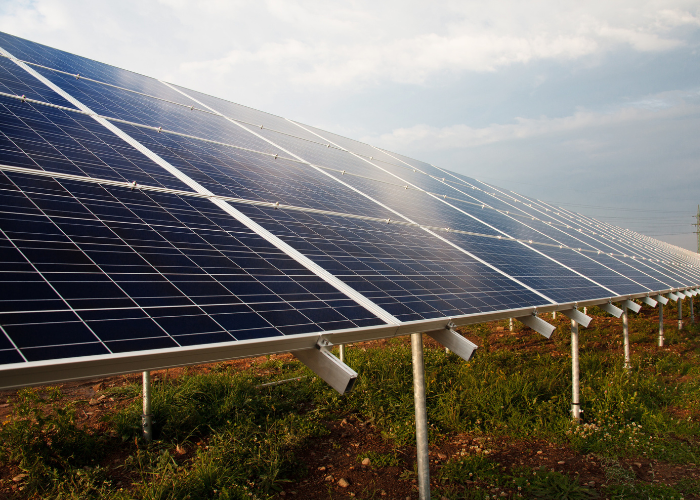
Financial savings are important, but environmental impact also plays a part in the value of solar.
A typical 5 kW system can offset around four tonnes of carbon dioxide per year. Larger 10 kW systems can prevent the burning of more than 6,000 kilograms of coal annually. Over time, that reduction makes a significant contribution to lowering household emissions.
For many NSW homeowners, reducing environmental impact sits alongside financial savings as a key reason to invest.
How to Maximise Your Solar Investment
To achieve the strongest return on investment, consider the following:
Choose the Right System Size
Oversizing can reduce financial efficiency if you export too much energy at low feed in tariff rates. A system matched to your daily usage often performs best.
Select Quality Components
Reliable panels and inverters may cost slightly more upfront but tend to last longer and maintain stronger performance over time.
Use Government Incentives
Ensure your installer correctly applies Small Scale Technology Certificates and explains available feed in tariff options.
Consider Battery Storage Carefully
Batteries are valuable for homes with high evening consumption or frequent outages, but not every property requires one immediately.
Work with Experienced Installers
Correct system design and installation directly affect long term performance. Charlie Sparks focuses on practical system design, professional installation, and ongoing support for NSW households.
If you are weighing up whether solar suits your home, you can speak with Charlie Sparks for straightforward advice and a tailored proposal that reflects real usage patterns.
The Long Term Financial Picture
Over a 20 to 25 year lifespan, many NSW solar systems deliver five to ten times their initial cost in total savings. After the payback period, the electricity your system generates is effectively free, aside from minimal maintenance.
With rising electricity costs and stable solar technology, investing now can lock in long term savings and reduce exposure to future price increases.
Frequently Asked Questions
How long does it take for solar panels to pay for themselves in NSW?
Most residential systems pay for themselves within three to seven years, depending on size, usage patterns, and upfront cost after rebates.
Are NSW solar rebates still available?
Yes. Small Scale Technology Certificates reduce the upfront cost of eligible systems. The value depends on system size and market rates.
Do solar panels add value to my property?
Homes with solar systems are often more attractive to buyers due to lower running costs, which can positively influence resale value.
Is a battery worth it?
A battery can be worthwhile for households with high evening electricity use or those seeking greater independence from the grid. Financial returns are typically stronger without a battery, but batteries offer added control over energy usage.
How long do solar panels last?
Most quality panels last 20 to 25 years and continue generating electricity well beyond their payback period.
Take the Next Step
Solar panels are not just a home upgrade. They are a long term financial decision that can reduce bills, lower emissions, and provide greater energy independence.
If you are ready to see exactly how much you could save, contact Charlie Sparks today to book your free consultation and start planning your solar installation.