
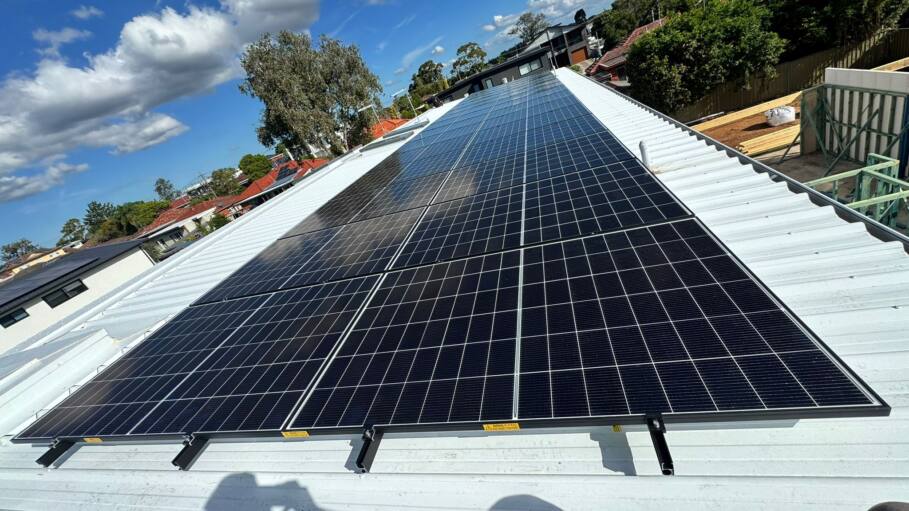
Choosing the right solar system size for your home or business comes down to one key factor: how much electricity you use each day. By reviewing your power bills, assessing your roof space, and considering your future needs, you can select a system that reduces grid reliance, lowers electricity costs, and delivers strong long term value.
Across Australia, rising power prices and abundant sunshine make solar a practical investment for households and businesses alike. From a 6.6kW solar system for a suburban home to larger commercial installations for warehouses and offices, the size you choose will determine how much you save and how quickly you see a return.
Not Sure What Size System You Need?
System sizing comes down to your usage, your roof and your goals. Get a free assessment from Charlie Sparks.
How to Determine the Right Solar System Size
Before selecting a system, take a close look at the following:
1. Energy Consumption
Start with your latest electricity bills. Look at your average daily usage in kilowatt hours.
- Small households may use 15 to 20kWh per day
- Average families often use 20 to 30kWh per day
- Larger homes or small businesses may use 35kWh or more
If you are planning to install air conditioning, a pool pump, electric vehicle charger or additional equipment in the future, factor that in as well.
For example, a Sydney household using 28kWh per day could offset most of its daytime consumption with a 6.6kW system, which typically produces around 24 to 30kWh daily depending on season and panel orientation. Reviewing your last four quarterly bills gives a more accurate annual average and avoids under-sizing your system.
2. Roof Space and Orientation
Solar panels require adequate roof area and good sun exposure. North facing roofs in Australia generally produce the best results, although east and west facing systems can also perform well.
As a guide:
- A 6.6kW system typically requires around 32 to 40 square metres
- Larger systems such as 10kW or 13.2kW will require more space
Shading from trees, neighbouring buildings or chimneys can also affect performance.
3. Budget and Return on Investment
Larger systems cost more upfront, but they often provide better long term savings due to increased energy generation. Many Australian homeowners find that installing the largest system their roof and budget allow provides stronger value over time.
4. Feed in Tariffs
If your system generates more power than you use during the day, the excess is exported to the grid. Your retailer pays a feed in tariff for that electricity. While rates vary across states, exporting excess power can still contribute to reducing your overall bill.
Popular Solar System Sizes in Australia
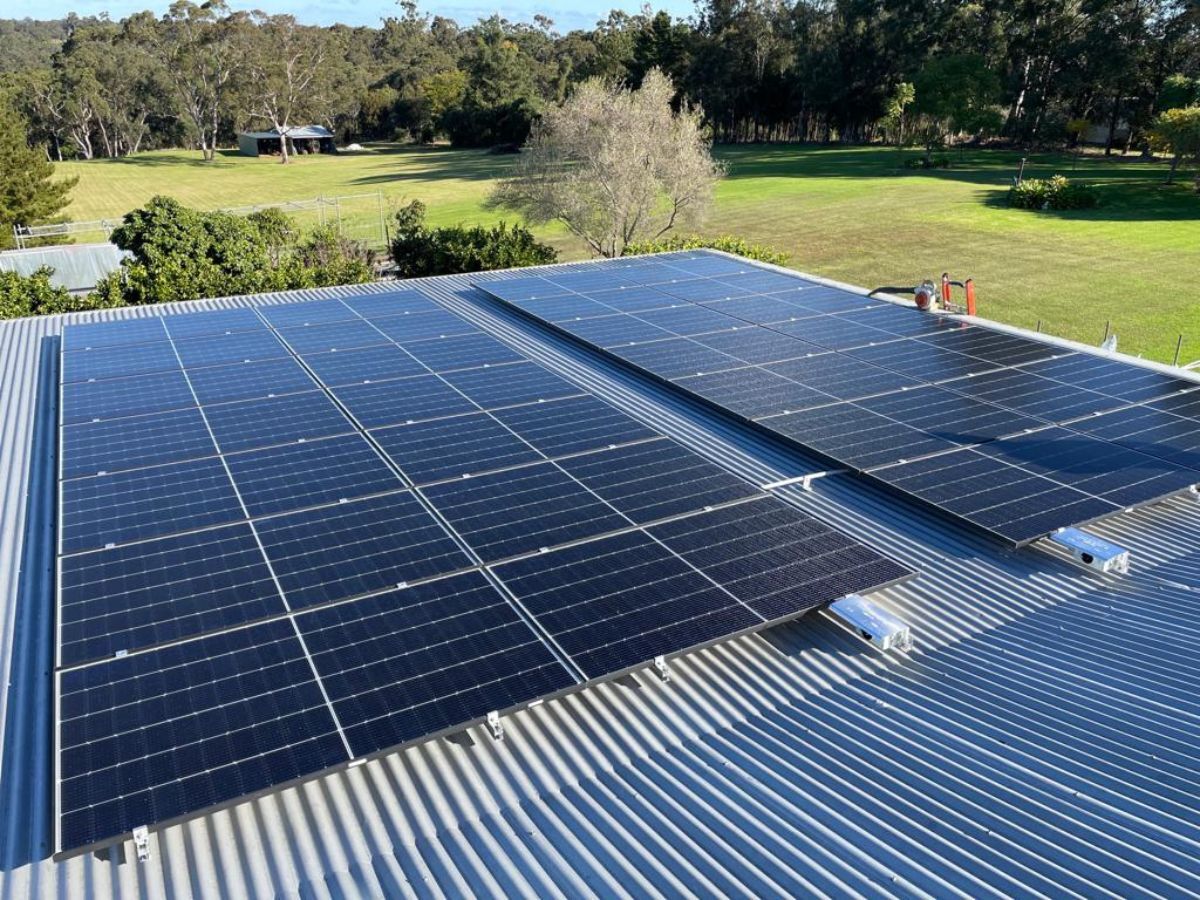
6.6kW Solar System: Ideal for Small to Medium Homes
A 6.6kW solar system remains one of the most popular choices for Australian households. It typically includes 16 to 20 solar panels and can generate around 25 to 30kWh per day, depending on location and conditions.
For many families, this is enough to cover daytime usage and significantly reduce reliance on grid electricity. It is particularly suitable for homes without extremely high energy demands.
If you are unsure whether a 6.6kW system suits your property, the team at Charlie Sparks can assess your energy profile and roof layout to provide clear recommendations.
10kW Solar System: Perfect for Larger Homes and Small Businesses
A 10kW solar system is well suited to:
- Larger households with higher energy usage
- Homes with ducted air conditioning
- Small businesses operating during the day
This system usually consists of around 25 to 30 panels and can generate 40kWh or more per day in favourable conditions. For properties with consistent daytime consumption, a 10kW system can significantly cut electricity bills and improve energy independence.
13.2kW Solar System: For High Energy Demand
For properties with substantial electricity use, a 13.2kW solar system offers greater output and savings potential.
Typical features include:
- Around 35 to 40 panels
- Daily generation of approximately 50 to 55kWh
- Suitable for large homes, workshops, hospitality venues or small commercial premises
If your quarterly bills are consistently high, this system size may provide better financial results than installing a smaller system and later upgrading.
Commercial Solar Systems for Australian Businesses
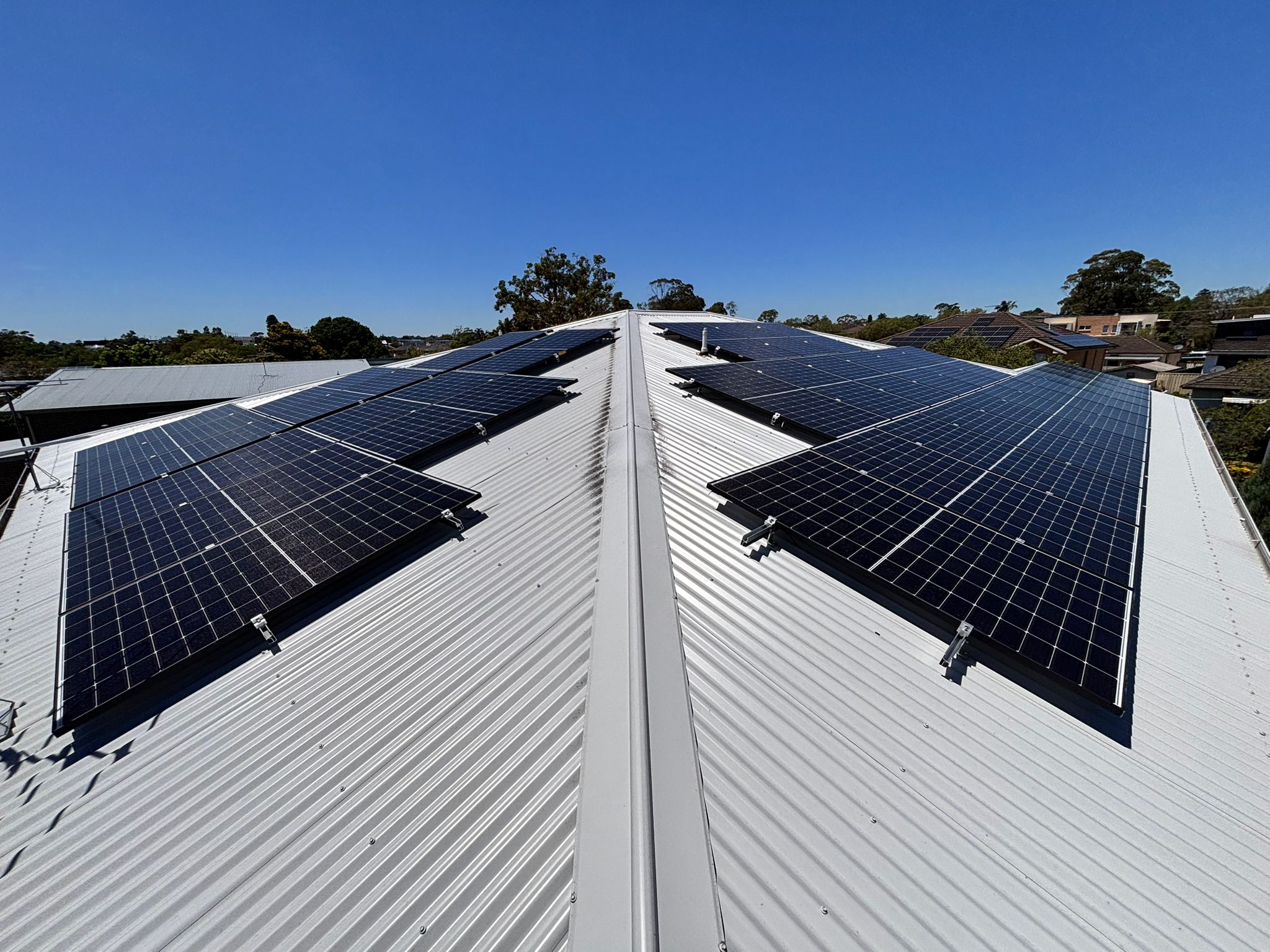
Commercial properties often require larger systems such as 30kW, 50kW or even 100kW. These installations help businesses:
- Lower operating expenses
- Improve cash flow
- Reduce exposure to rising electricity prices
- Lower carbon emissions
Warehouses, retail outlets, schools and manufacturing facilities across Australia are increasingly adopting commercial solar solutions to manage overheads and demonstrate environmental responsibility.
Working with an experienced installer like Charlie Sparks ensures that your system is designed around your load profile, operating hours and future growth plans.
Should You Add a Solar Battery?
Adding a solar battery allows you to store excess electricity generated during the day and use it at night. This can:
- Increase self consumption
- Reduce reliance on the grid
- Provide backup during outages, depending on system design
Batteries are particularly attractive for households that are home in the evenings rather than during the day. While batteries increase the upfront cost, they can improve long term energy control and flexibility.
If you are already considering solar, it is wise to discuss battery readiness during the design stage, even if you plan to add storage later.
Why Work with Charlie Sparks?
Choosing the right system size is only part of the equation. Installation quality, system design and after sales support all influence performance.
Charlie Sparks offers:
- Experienced solar panel installation teams in Sydney
- High quality solar battery options
- A strong track record backed by 50 plus five star reviews
- A locally based, in house team focused on workmanship and service
All installations comply with Australian standards and Clean Energy Council guidelines, giving customers confidence that systems meet national safety and performance requirements.
Their approach centres on understanding your energy use and recommending a system that suits your property and goals.
Ready to reduce your power bills? Contact Charlie Sparks today for a free, no obligation solar quote and receive a customised system proposal built around your home or business.
Planning for the Future
When choosing your solar system size, think beyond your current bill. Consider:
- Growing families
- Working from home
- Electric vehicle charging
- Business expansion
- Rising electricity prices
Installing a slightly larger system now may be more cost effective than upgrading later. With Australia’s strong solar conditions, most properties can benefit from maximising available roof space where practical.
Important Considerations Before Installing Solar
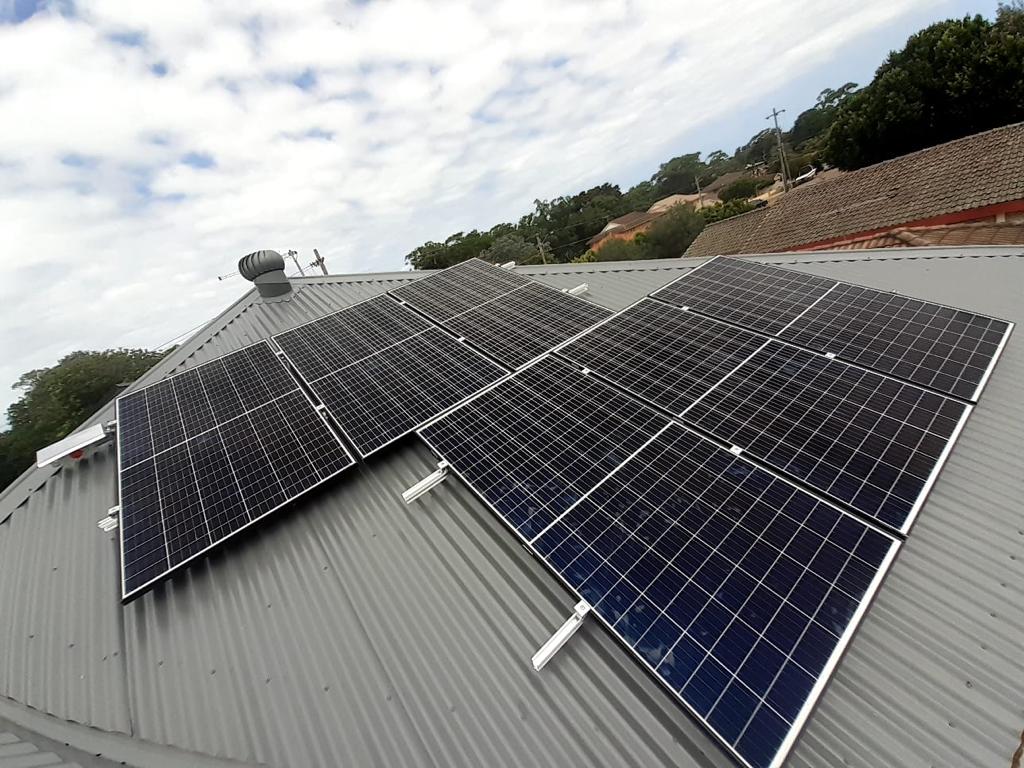
While solar provides strong long term savings, it is important to consider:
- Upfront installation costs
- Payback period based on your state’s feed in tariff
- Roof condition and potential need for repairs before installation
- Future battery costs if storage is planned
Discussing both benefits and practical considerations helps you make an informed financial decision.
Ready to Size Your Solar System?
Talk to our licensed team and get a system matched to your home or business, not a generic package.
Frequently Asked Questions
What size solar system do I need?
The right size depends on your daily energy consumption, roof space and budget. A 6.6kW system suits many average households, while a 10kW or 13.2kW system may be better for larger homes or businesses with higher usage.
Is a 6.6kW solar system enough for a family?
For most families using around 20 to 30kWh per day, a 6.6kW system can cover a significant portion of electricity needs, particularly during daylight hours.
Can I add a battery to my existing solar system?
Yes. Many existing systems can be upgraded with a compatible solar battery. It is important to confirm inverter compatibility and system capacity before installation.
How much roof space do I need for solar panels?
As a guide, a 6.6kW system requires approximately 32 to 40 square metres of roof space. Larger systems will require proportionally more area.
Is it better to install a bigger system?
If your roof space and budget allow, installing a larger system can improve long term savings, particularly if you expect your energy use to increase.
Selecting the correct solar system size is about matching generation to consumption. By reviewing your electricity usage, planning ahead and working with a trusted installer like Charlie Sparks, you can invest in a solar solution that delivers consistent savings and reliable performance for years to come.