
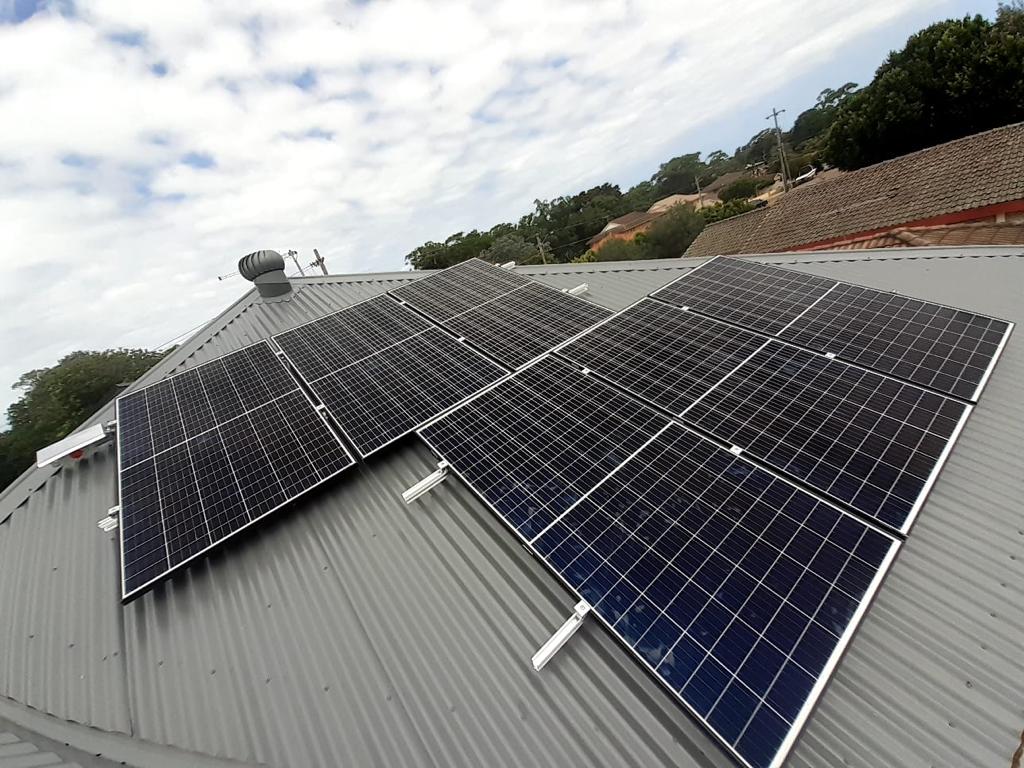
Keeping your solar panels clean is one of the simplest and most effective ways to maintain their performance and extend their lifespan. To clean your solar panels properly, you need a soft brush, mild dishwashing liquid, water, and a garden hose, and the whole job is best done on a cool morning before the Australian sun heats the glass. Done right, regular cleaning can meaningfully improve energy output and protect your investment for years to come.
Panels Due for a Clean?
Our licensed team cleans and inspects solar systems safely, so you stay off the roof. Talk to Charlie Sparks.
Why Cleaning Your Solar Panels Matters
Solar panels are exposed to the elements around the clock. Dust, bird droppings, pollen, leaf litter, and general grime build up gradually on the surface, and over time, that layer of muck blocks sunlight from reaching the photovoltaic cells beneath. Less sunlight means less energy production.
Many Australians assume that rainfall does the job for them. Unfortunately, that is not quite right. Light rain may rinse off loose dust, but it does not shift stubborn residue like bird droppings or compacted dust from nearby construction or dry paddocks. If your panels are tilted at a shallow angle, water can pool and leave behind a film of minerals and dirt once it evaporates. Manual cleaning, done periodically, makes a measurable difference.
If your energy bills have crept up or your system is not producing as expected, dirty panels could be a contributing factor. A clean panel is simply a better-performing panel.
Step-by-Step: How to Clean Your Solar Panels
Step 1: Pick the Right Time of Day
Always clean your panels during the early morning or on a cool, overcast day. In summer, panel surfaces can get extremely hot under the Australian sun. Spraying cool water onto hot glass creates a sharp temperature change that can crack the surface. Early morning also has the added benefit of any overnight dew softening dust and debris, which makes the job easier.
Avoid cleaning in high winds. Water evaporates faster and may leave streaks or residue behind.
Step 2: Clear Away Loose Debris First
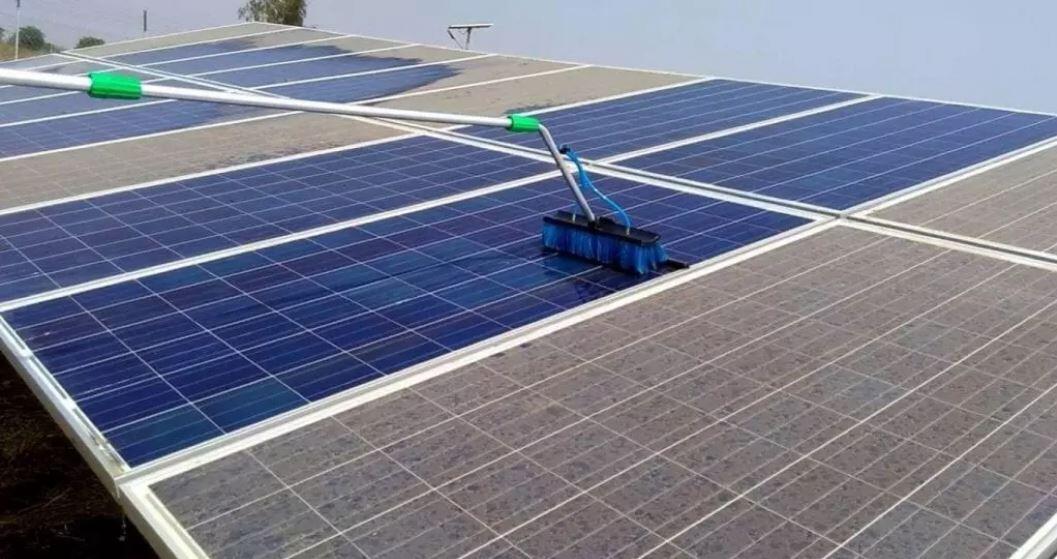
Before introducing any water, use a soft brush with plastic bristles to gently dislodge leaves, dust, and loose grime from the surface. Do not use stiff bristles, steel wool, or any abrasive material, as these will scratch the glass and reduce the effectiveness of your panels permanently.
Step 3: Rinse with a Garden Hose
Attach a spray nozzle to your garden hose and give the panels a thorough rinse. Keep the water pressure gentle and steady. Do not use a pressure washer. Despite being excellent for driveways and roof gutters, pressure washers can force water into panel seals, dislodge wiring, or crack the glass. A standard hose with controlled pressure is all you need.
Step 4: Scrub Gently with Mild Soap and a Soft Cloth
Mix a small amount of mild dishwashing liquid with water. Use a cloth-covered sponge or soft brush to gently work across the surface in circular motions. Focus on any stubborn spots like bird droppings or dried-on debris.
Avoid strong detergents, bleach-based products, or anything with abrasive particles. A gentle, biodegradable soap is ideal. If any splashes off your roof, it will not harm your garden, your pets, or the environment below.
If your panels are on a roof, consider attaching an extension pole to your brush so you can clean from the ground safely. Never stand on your solar panels. Even a small amount of weight can crack the cells beneath the surface.
Step 5: Rinse and Allow to Air Dry
Once you have scrubbed the panels, rinse them thoroughly with clean water to remove any soap residue. Allow them to air dry naturally rather than wiping them down, which can leave lint or introduce micro-scratches. Any remaining water will evaporate cleanly on its own.
What to Avoid When Cleaning Solar Panels
- Cold water on hot panels, where the temperature shock can crack the glass
- Pressure washers, which are too aggressive for panel surfaces and seals
- Abrasive cloths, scourers, or stiff brooms
- Strong chemical detergents or solvents
- Standing on the panels or applying any direct weight
Not sure whether your panels are due for a check-up? Charlie Sparks offers free solar system assessments to help you understand how your system is performing. Get in touch and one of our friendly team members will talk you through it.
How Often Should You Clean Your Solar Panels?
There is no one-size-fits-all answer. It depends on your local environment. Homes near busy roads, construction sites, or farmland may need cleaning every two to three months. In less exposed suburban settings, twice a year may be sufficient.
A good rule of thumb is to inspect your panels visually every month or so. If you can see a visible layer of grime or bird activity, it is time for a clean. Checking your inverter’s output against what you would expect on a clear, sunny day can also help you spot performance drops that suggest dirty panels.
Is Professional Solar Panel Cleaning Worth It?
For most homeowners, the DIY approach works well for routine maintenance. However, professional cleaning is worth considering when:
- Your panels are on a steep or high roof where working at height is genuinely unsafe
- You have noticed a sustained drop in energy output that cleaning alone has not resolved
- Your panels have not been serviced in over 12 months and may need a broader inspection
Professional cleaners use deionised water, which leaves no mineral residue, and they know how to identify early signs of panel degradation, wiring issues, or mounting problems that a homeowner might miss.
Charlie Sparks provides professional solar panel cleaning and maintenance across the region. Our qualified team handles everything safely and efficiently, so you do not have to climb on the roof. Book a service with Charlie Sparks today and keep your system running at its best.
Want Your Panels Cleaned Properly?
Book a professional solar clean and performance check with Charlie Sparks and get your output back.
Frequently Asked Questions
Does rain clean solar panels?
Not effectively. Light rain can rinse off surface dust, but it rarely removes bird droppings, pollen, or compacted grime. Rainwater also leaves behind mineral deposits as it evaporates, which can build up over time and reduce panel efficiency.
Can I use tap water to clean my solar panels?
Yes, tap water is fine for most cleaning jobs. However, if your tap water is particularly hard (high in minerals), it may leave spots or residue when it dries. In that case, a final rinse with deionised or filtered water will produce a cleaner result.
How do I know if my panels need cleaning?
A visible layer of dust, debris, or bird droppings is the obvious sign. You can also monitor your inverter’s output. If production has dropped on clear, sunny days without an obvious explanation, dirty panels are a likely cause.
Is it safe to clean solar panels myself?
Cleaning panels at ground level or on a gently pitched roof is manageable for most homeowners. If your panels are on a steep or high roof, or if you are not comfortable working at heights, it is safer to call a professional. Safety always comes first.
What soap is safe to use on solar panels?
A small amount of standard, mild dishwashing liquid mixed with water is perfectly sufficient. Avoid anything stronger, including bleach-based cleaners, chemical degreasers, or abrasive scrubbing powders.
Have questions about your solar system or want expert advice on keeping it in top shape? The team at Charlie Sparks is always happy to help. Give us a call or send an enquiry online. We are here to make solar easy.