
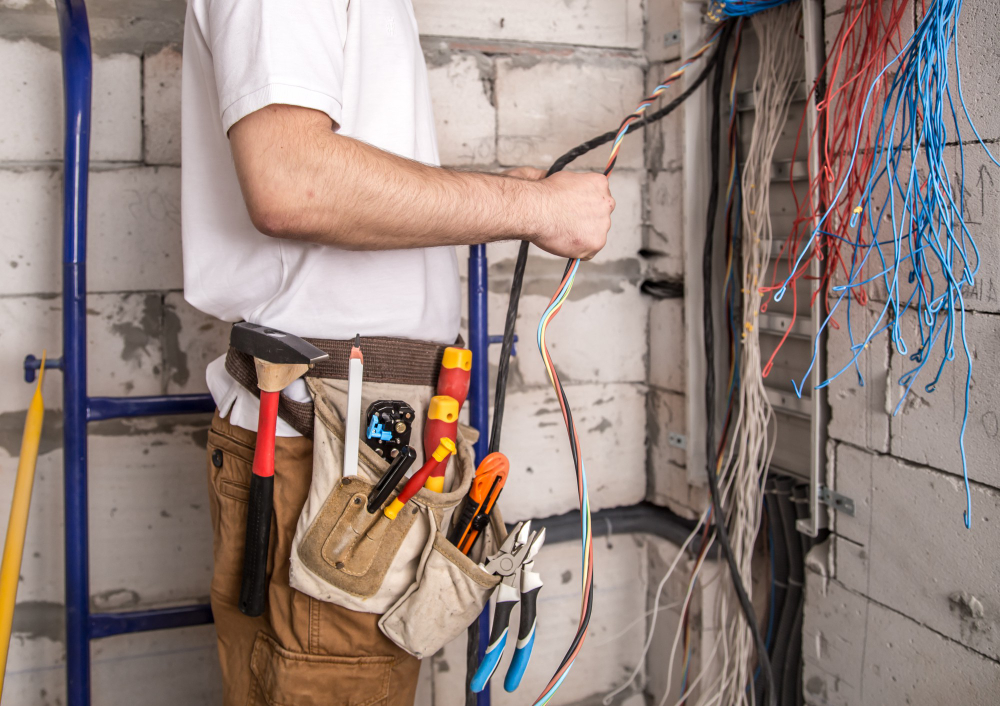
Yes, in most cases you can rewire a house without removing plaster and drywall, provided the job is handled by a licensed electrician with the right tools and experience. It is not always straightforward, but with careful planning, the right equipment, and a methodical approach, it is entirely achievable. The key lies in how well the work is planned before a single cable is touched.
If your lights are flickering, your circuit breaker keeps tripping, or your home is running on wiring that is decades old, a full or partial rewire is likely on the cards. The good news is that you do not necessarily need to gut your walls to make it happen.
Planning a Rewire?
A rewire can be done without gutting your walls when it is planned properly. Talk to Charlie Sparks first.
Why Would a House Need Rewiring?
Electrical wiring does not last forever. Older homes across Australia are still running on wiring systems that were installed 30, 40, or even 50 years ago. These systems were never designed to handle the electrical load that modern households demand. Air conditioning units, home theatres, EV chargers, induction cooktops, and smart home systems all place significant strain on ageing infrastructure.
Common signs that your wiring may need attention include:
- Lights that flicker or dim without reason
- Circuits that trip frequently
- Power points that feel warm to the touch
- A burning or plastic smell near switches or boards
- Older-style round pin power points still in use
- Fuse boxes with ceramic fuses rather than modern safety switches
If any of these apply to your home, it is worth calling a qualified electrician to carry out an inspection. Charlie Sparks offers free assessments and can advise whether a full rewire or targeted repairs are the right approach for your property.
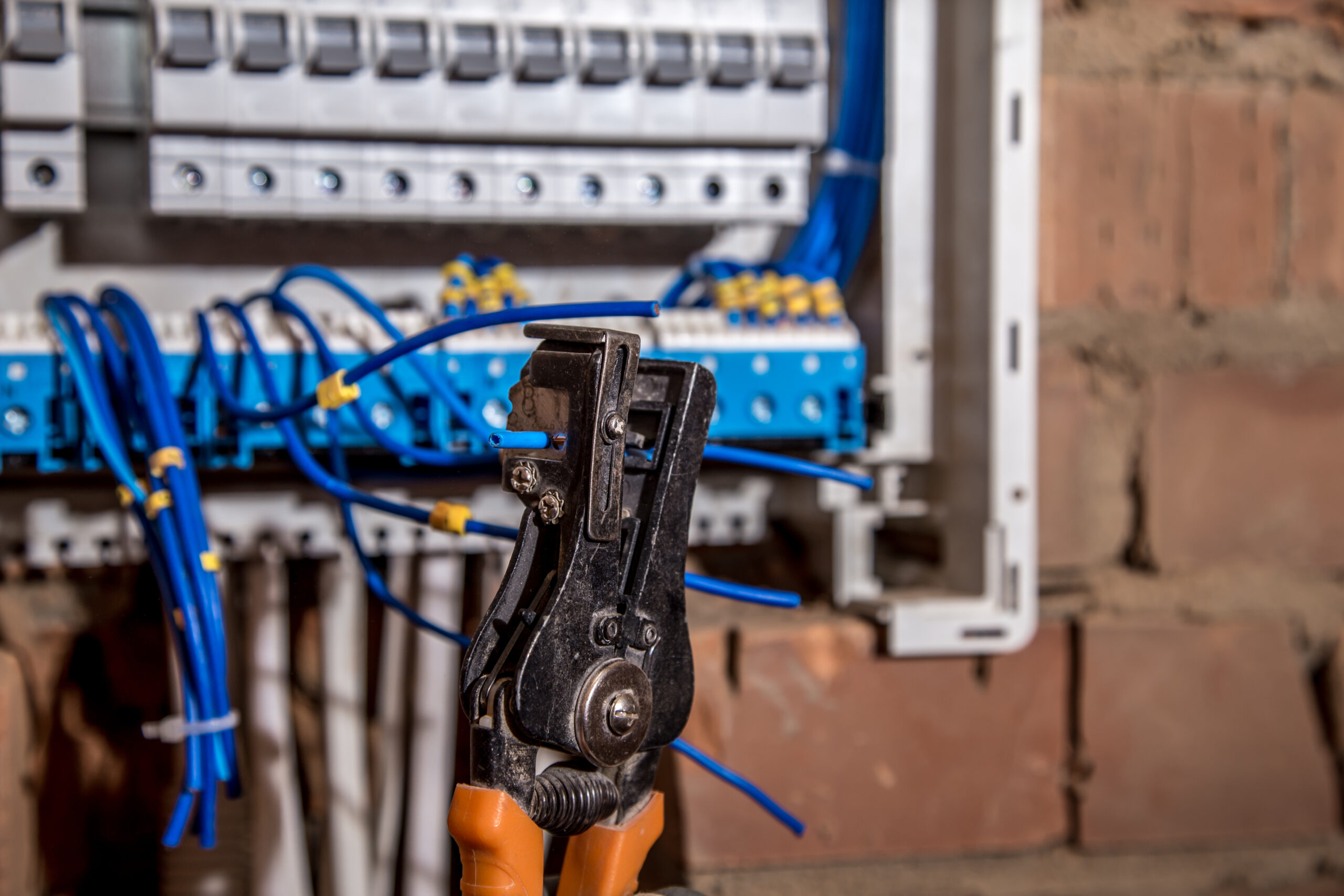
How Rewiring Works Without Disturbing Your Walls
The process requires careful staging and cannot be rushed. Here is how a professional team typically approaches it.
Planning and Assessment
Before any physical work begins, the existing wiring layout is assessed in detail. Where blueprints or original plans are available, these are reviewed so that new cable runs can follow the most logical and least invasive paths. The goal at this stage is to map out every circuit and identify which existing cable routes can be reused and which will need to be redirected.
New wiring requirements are calculated at this stage, including the total cable length needed with an appropriate buffer to avoid joining cables mid-run where possible.
Pre-Work and Access Points
Small access points are identified and cut at strategic locations, typically at ceiling level, behind skirting boards, or inside built-in cabinetry. Fish tapes, cable rods, and flexible drill bits allow cables to be threaded through wall cavities without opening up large sections of plasterboard or heritage plaster.
Crawl spaces, roof cavities, and subfloor areas are assessed at this stage, as they often provide the most accessible cable routes. In many Australian homes, the roof cavity alone allows electricians to run a significant portion of new cabling without touching internal walls at all.
Cable Removal and Replacement
Old cables are either pulled through and replaced, or where removal poses a risk of wall damage, left in place and de-energised. The decision depends on the condition of the existing wiring, the construction of the walls, and the risk involved. In general, leaving inert cables in a wall cavity does not present a safety issue, provided they have been properly disconnected and terminated.
New wiring is then drawn through using the access points created in the pre-work stage. In most cases, holes are small enough that they can be patched with minimal fuss after the job is complete.
Connection and Testing
Once all new cables are run, they are connected to the switchboard, power points, light fittings, and any dedicated circuits. The entire installation is then tested to Australian Standards before the power is restored.
Is It a DIY Job?
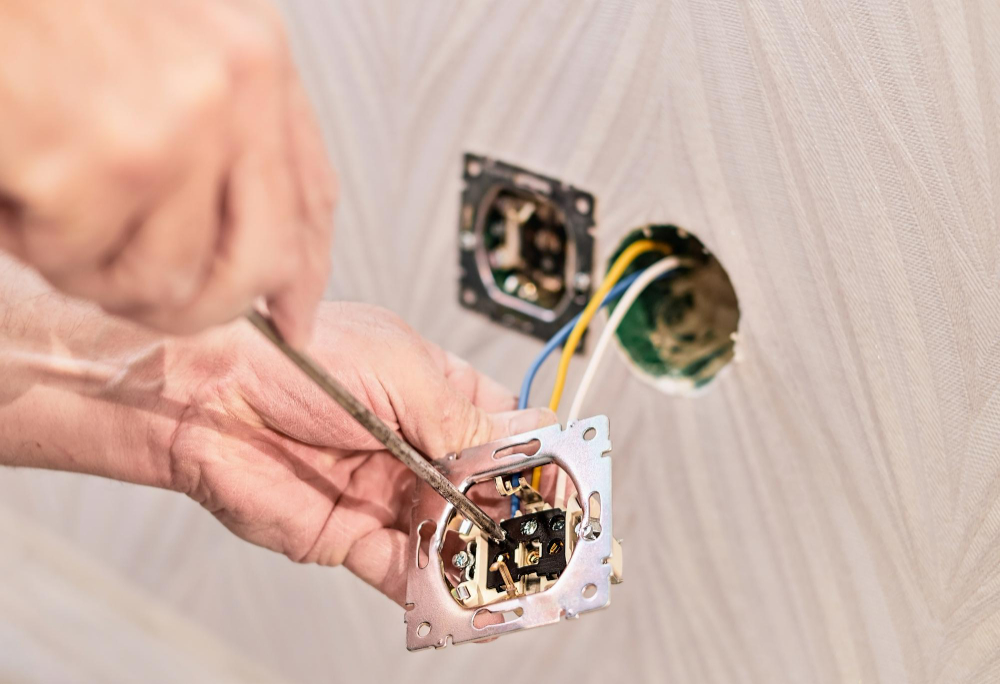
No. Electrical work in Australia is licensed work, full stop. It is illegal for unlicensed individuals to carry out electrical wiring, and doing so voids your home insurance in the event of a fire or fault. Beyond the legal issue, the safety risks are significant. Rewiring involves working within live systems, and even de-energised cables can hold residual charge.
The work also requires at least two people operating in coordination, particularly when threading cables through wall cavities over long distances. One person feeds the cable while the other guides it from the opposite end. It is not a one-person task.
If you are considering having your home rewired, Charlie Sparks can walk you through the process, provide a clear scope of work, and give you an honest quote with no lock-in contracts.
What Happens if a Wall Gets Damaged?
Occasionally, a small amount of plasterwork does need to be cut or patched, particularly in older homes where wall cavities are narrower or where the existing layout makes cable routing more complex. In these situations, the affected area is kept as small as possible and made good before the job is signed off. A small patch of plasterboard or a touch-up of render is a far smaller disruption than a full wall removal.
Book a Rewire Inspection
Get an honest assessment of what your home actually needs from a licensed Sydney electrician.
Frequently Asked Questions
How long does a house rewire take?
For an average-sized Australian home, a full rewire typically takes between three and seven days depending on the size of the property, the complexity of the existing system, and how accessible the cable routes are.
Do I need to move out during a rewire?
In most cases, you can stay in the home, though there will be periods each day without power. Your electrician will plan the work to minimise disruption and keep at least part of the home powered where possible.
How much does rewiring a house cost in Australia?
Costs vary considerably based on property size, number of circuits, and the complexity of the job. A partial rewire of a single area may cost a few thousand dollars, while a full rewire of a larger home can run significantly higher. The best approach is to get a detailed quote from a licensed electrician after an on-site inspection.
How do I know if my home needs a full rewire or just repairs?
An inspection by a licensed electrician is the only reliable way to know. They will assess the condition of the existing wiring, switchboard, and safety switches and give you an honest assessment of what is needed.
Is it safe to live in a home with outdated wiring?
Outdated wiring is one of the leading causes of residential fires in Australia. If your home has not had an electrical inspection in the last ten years, or if you are experiencing any of the warning signs mentioned above, it is worth having it checked sooner rather than later.
Ready to Get Started?
Whether your home needs a full rewire or you just want to know where things stand, the team at Charlie Sparks is available to help. Call us on (02) 8310 4077 to book your inspection and get a clear, no-obligation quote. We work across Sydney with experience in homes of all ages and construction types, and we will always give you a straight answer on what needs doing and why.