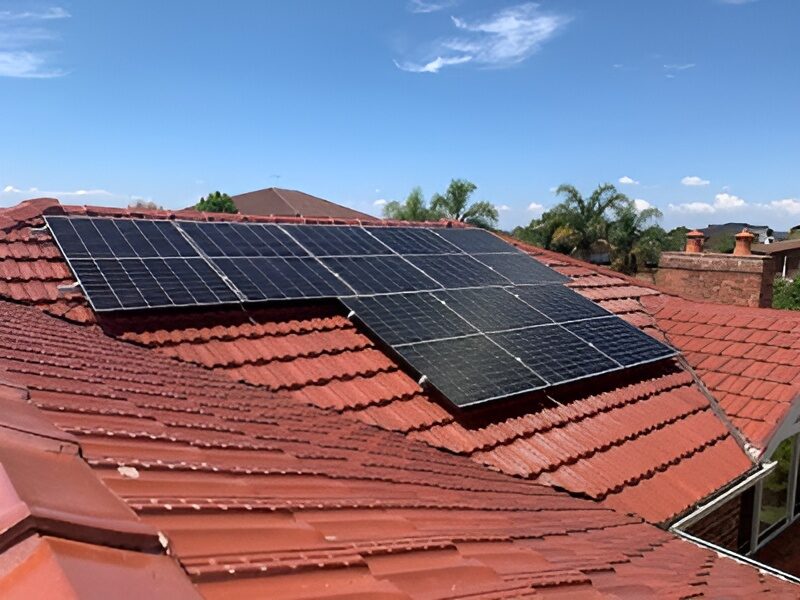
solar panels are built to handle Australia’s outdoor conditions and can provide clean electricity for many years. However, like any electrical system, they can occasionally develop problems. A sudden drop in solar generation, damaged panels or an inverter warning can understandably leave homeowners wondering whether their entire system needs replacing.
The good news is that many common solar panel problems can be identified, diagnosed and addressed by a qualified professional. Knowing what to look for can help you act early rather than worry unnecessarily.
For Sydney homeowners, Charlie Sparks provides professional solar and electrical services to help diagnose, maintain and repair solar systems safely and effectively.
Spotted a Problem With Your Panels?
Cracks, hot spots or wiring faults need a pro. Get your solar system checked by Charlie Sparks.
What Are the Most Common Solar Panel Problems?
The five issues homeowners are most likely to encounter include panel damage, shading and dirt, inverter problems, electrical or wiring faults, and ageing or degraded components.
Not every reduction in solar output means your panels have failed. Solar generation naturally changes with the season and weather, and other parts of the system can also affect performance. Monitoring your system and contacting your solar retailer or installer if it is consistently generating less electricity than expected.
Let’s look at the most common issues and what you can do about them.
Cracked or Damaged Solar Panels
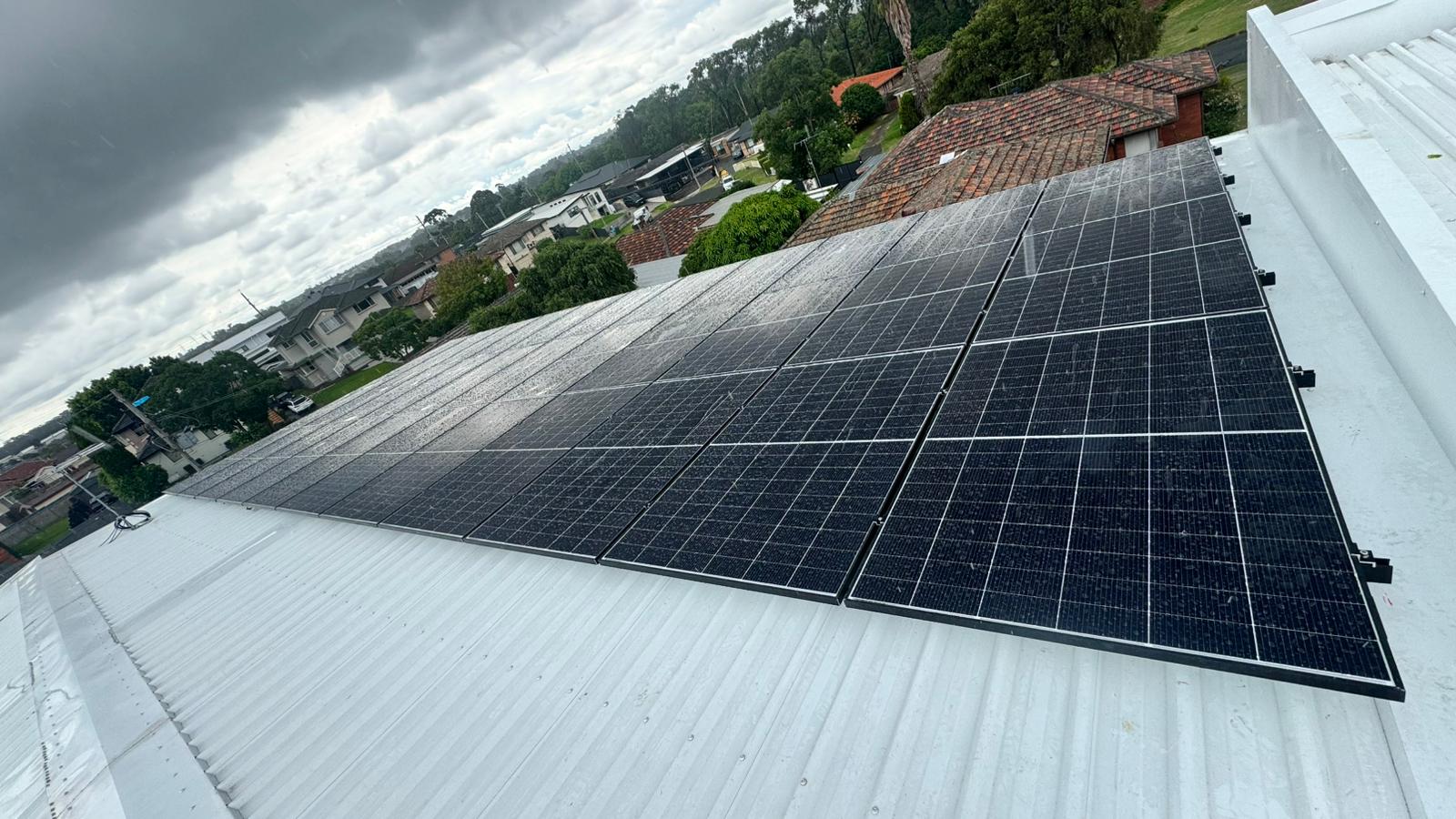
Solar panels are designed to withstand outdoor conditions, but they are not indestructible! Severe weather, falling debris, hail or other physical impacts can damage panels.
Some damage is obvious, such as broken glass or visible cracks. Other problems can be less noticeable, particularly micro-cracks that may not be easy to see from the ground.
A damaged panel can affect the electricity generated by part or all of the system, depending on the type of damage and system configuration.
What should you do?
Don’t climb onto the roof to investigate a suspected damaged panel yourself! Instead, monitor your system’s performance and arrange a professional inspection if you notice a significant change.
Solar system repairs should only be undertaken by an accredited electrician because the system can remain energised even when mains electricity has been switched off.
Dirt, Debris and Shading
Solar panels need sunlight to generate electricity, so anything that blocks or reduces sunlight can affect output.
Dust, leaves, bird droppings and other debris can accumulate on panels. Nearby trees can also grow over time and create new shading that wasn’t present when your solar system was installed.
The shading from trees, buildings and other obstructions can reduce solar generation, with the impact varying depending on the time of day and season.
Sydney homes can experience different conditions depending on their location. A property surrounded by trees may have very different maintenance requirements from a home with an unobstructed roof.
What should you do?
Monitor your system’s output and look for changes rather than assuming that every drop is caused by dirty panels.
Solar panels installed on an angle can receive some natural cleaning from rainfall, but professional cleaning may still be appropriate when substantial dirt or debris accumulates. Importantly, homeowners should not put themselves at risk by climbing onto the roof to clean panels.
Inverter Problems
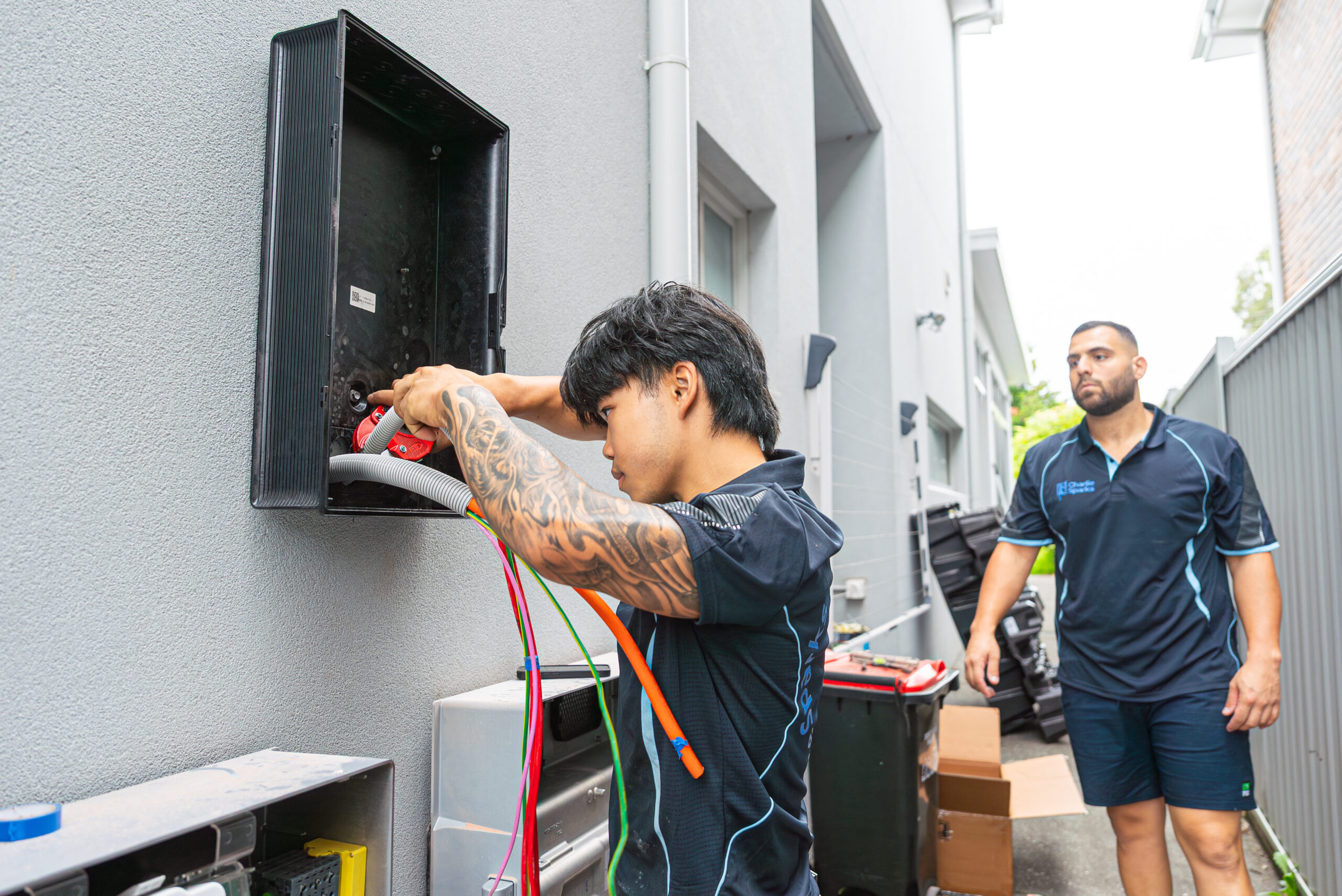
Your solar panels generate DC electricity, but your home uses AC electricity. The inverter plays an important role in converting the electricity into a form that can be used by your household and supplied to the grid.
📖 People also read about:
That makes the inverter an important part of your solar system.
An inverter problem can result in reduced generation or, in some cases, a complete loss of solar production. You may notice warning lights, error messages or unusual readings in your monitoring app.
Inverters may display fault codes when an issue occurs, and monitoring systems can help identify when generation is lower than expected.
What should you do?
If your inverter displays an error, take note of the message or code and contact your solar installer or a qualified professional.
Some systems have manufacturer-approved troubleshooting or reset procedures, but don’t open the inverter or attempt electrical repairs yourself.
Inverters also have different lifespans from solar panels. String inverters commonly last around 10 years or more but may need repair or replacement during the lifetime of the panels.
An inverter fault therefore doesn’t automatically mean you need an entirely new solar system.
Electrical Wiring and Isolator Issues
The panels themselves may not always be responsible when a solar system isn’t working correctly.
Wiring, connections and isolator switches are also important components of a solar installation. Damage, deterioration, moisture ingress, faulty connections or other electrical issues can affect system performance and safety.
The Clean Energy Regulator recommends that solar maintenance include checks of wiring, switches, electrical components, fittings and cables.
This is particularly important with older installations or systems that have been exposed to harsh weather, animals or environmental conditions.
What should you do?
If you notice damaged cables, unusual smells, scorch marks, melted components, buzzing or other signs of an electrical fault, don’t touch the affected equipment.
📖 People also read about:
Arrange an inspection by a licensed and appropriately accredited professional. Solar electrical systems can remain hazardous even when the household’s mains electricity has been switched off.
Ageing and Solar Panel Degradation
Solar panels don’t suddenly stop working when they reach a certain age. Instead, their performance generally decreases gradually over time.
This natural reduction in output is known as degradation.
Solar panels commonly come with long performance warranties and that energy generation decreases over their lifetime. It also notes that different system components have different expected lifespans, with inverters commonly requiring replacement before the panels themselves.
So if an older system isn’t producing as much electricity as it once did, don’t immediately assume that every panel needs to be replaced.
A professional assessment can determine whether the cause is normal ageing, a faulty component, shading, dirt, an inverter issue or another problem.
Why Is My Solar System Producing Less Electricity?
A reduction in solar generation can have several possible explanations.
Before assuming that your panels have failed, consider:
- Seasonal changes in sunlight
- Cloudy or rainy weather
- New shading from trees or structures
- Dirt or debris on panels
- Inverter faults
- Electrical problems
- Damaged panels
- Age-related degradation
Solar generation varies with weather and time of year, but consistently lower-than-usual generation on sunny days may indicate a problem.
This is why monitoring your system is so useful. You can establish what is normal for your property and identify significant changes sooner.
Can Solar Panel Problems Be Prevented?
You cannot prevent every solar problem, but regular monitoring and professional maintenance helps identify issues early.
💡 Need help?
We offer professional solar installation sydney to help you achieve your goals.
Consider checking your system documentation for a suitable maintenance schedule and professional servicing approximately every two years. A service can include panel cleaning, electrical testing, cable and isolator inspections and checking inverter or battery fault history.
When Should You Call a Solar Electrician?
Some solar issues are easy to notice, while others require professional testing. Consider arranging an inspection if:
- Your solar output has dropped unexpectedly
- Your inverter displays an error
- Your monitoring system indicates a fault
- You can see cracks or damage on a panel
- Wiring or isolators appear damaged
- Your system has experienced storm or hail damage
- Your electricity bills have increased unexpectedly
- Your solar system is several years old and hasn't been inspected
- You're unsure whether your system is operating correctly
Don’t wait until the system stops producing electricity completely. Identifying a problem early may make it easier to determine whether a repair, component replacement or another solution is appropriate.
Don't Assume You Need a New Solar System
One of the biggest concerns homeowners have when their solar system underperforms is that the entire installation needs replacing.
That isn’t necessarily the case. A drop in output could be caused by something relatively straightforward, such as shading or dirt. Alternatively, a professional may find an inverter fault, wiring issue or individual panel problem.
Reduced performance does not automatically mean components need replacing. A solar retailer or installer should assess the system and advise whether repairs or replacement are actually necessary. This is why professional diagnosis should come before making a major investment.
Maintain Your Solar System for Reliable Performance
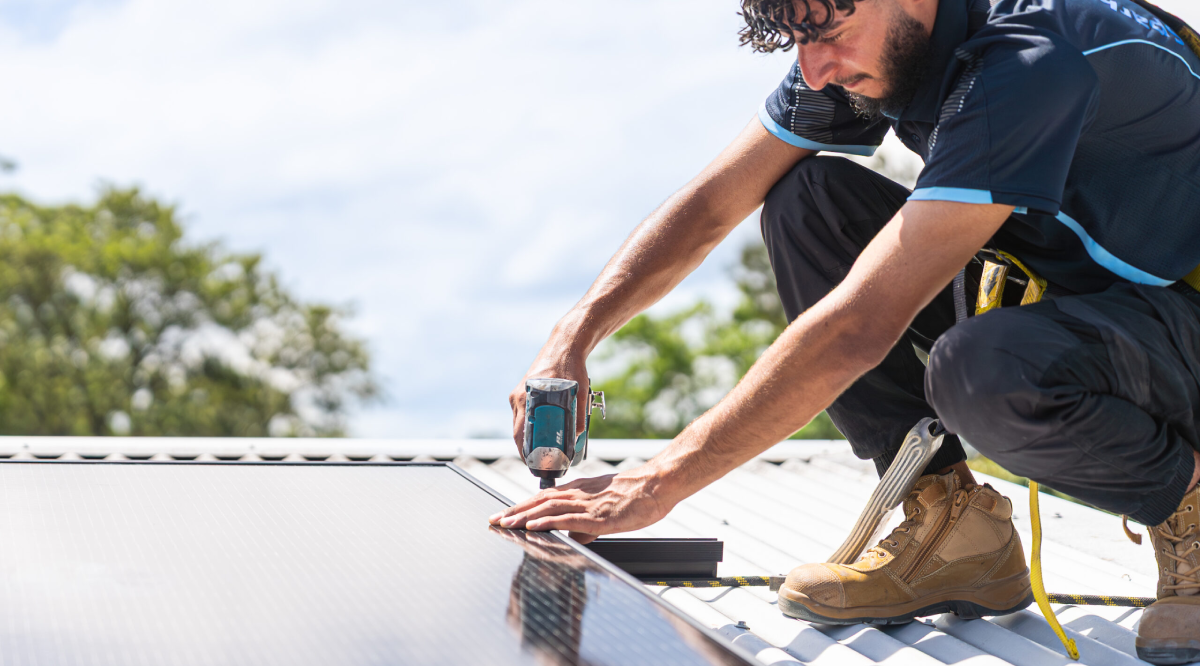
Solar panels are generally low-maintenance, but that doesn’t mean they’re completely maintenance-free. Monitoring your system, paying attention to changes in performance and arranging professional inspections can help you identify potential problems without unnecessary stress.
Whether you’re dealing with reduced solar generation, an inverter warning, damaged panels or an electrical concern, the right first step is to determine what is actually causing the problem.
Charlie Sparks provides solar maintenance, diagnostics and electrical services for Sydney homeowners. Our team can assess your system, identify potential faults and recommend practical solutions based on its condition.
Worried about your solar system? Contact Charlie Sparks for professional solar diagnostics, maintenance and repair services across Sydney.
Need Your Solar Panels Inspected?
Book a licensed Sydney team to diagnose and fix common solar panel problems. Talk to Charlie Sparks.
FAQs
What is the most common problem with solar panels?
There isn’t one problem that affects every system. Common issues include shading, dirt and debris, inverter faults, damaged panels, wiring problems and ageing components. A professional inspection can help determine the specific cause of reduced performance.
How do I know if my solar panels aren't working properly?
Monitor your system’s electricity generation through its inverter or monitoring app. Solar output naturally varies with weather and seasons, but consistently lower generation than expected, particularly on sunny days, can indicate an issue.
Can solar panels be repaired?
Depending on the problem, individual components may be repairable or replaceable without replacing the entire system. A qualified professional should inspect the system first and determine whether repair or replacement is appropriate.
Is it safe to repair solar panels yourself?
No. Solar systems can remain energised even when mains electricity is switched off. Solar repairs should be carried out by an appropriately accredited electrician or installer.