
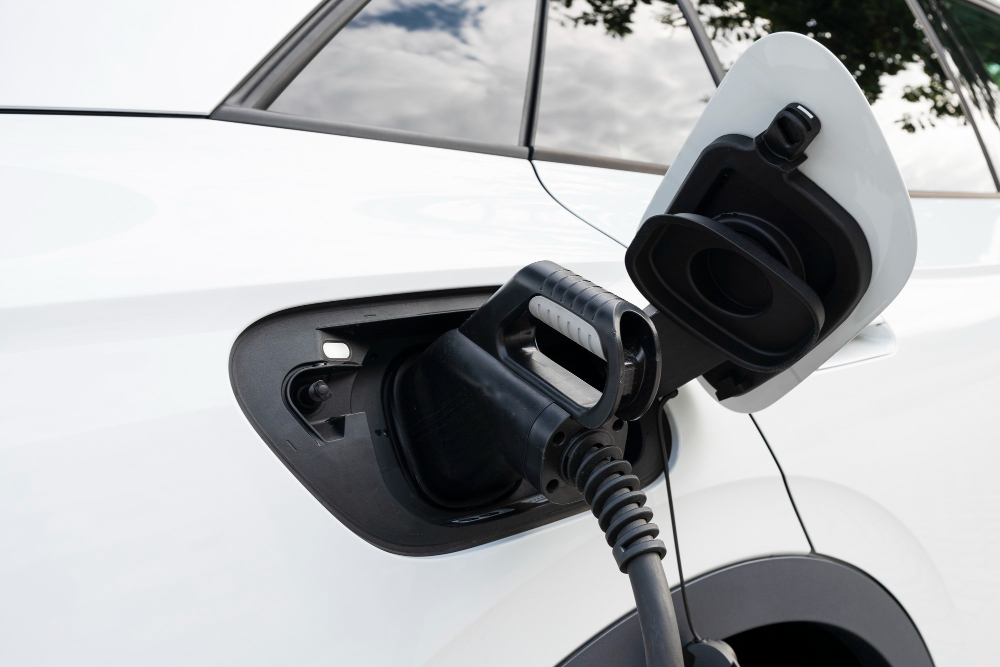
If you are comparing Level 1 and Level 2 EV chargers, the main difference comes down to charging speed, power supply, installation requirements, and cost. A Level 1 charger uses a standard household outlet and charges slowly, while a Level 2 charger uses a 240 volt supply and charges significantly faster, making it more suitable for regular daily driving in Australia.
Electric vehicles are becoming increasingly common across Australia as more drivers shift towards cleaner transport options. Whether you own a fully electric vehicle or a plug in hybrid, understanding your home charging options is essential. The right charger can save you time, reduce electricity costs over the long term, and make daily use far more convenient.
Need an EV Charger Installed?
Level 2 charging needs a licensed electrician and the right circuit. Talk to Charlie Sparks about your setup.
What Is an EV Charger?
An EV charger supplies electrical energy to recharge your vehicle’s battery. Similar to charging a phone or laptop, the charger connects to a power source and regulates the electricity delivered to the vehicle.
While Australian homes use alternating current power, EV batteries store direct current. The vehicle’s onboard system converts the AC electricity into DC to safely charge the battery.
When choosing between Level 1 and Level 2 chargers, it is important to understand how each works and which suits your driving habits.
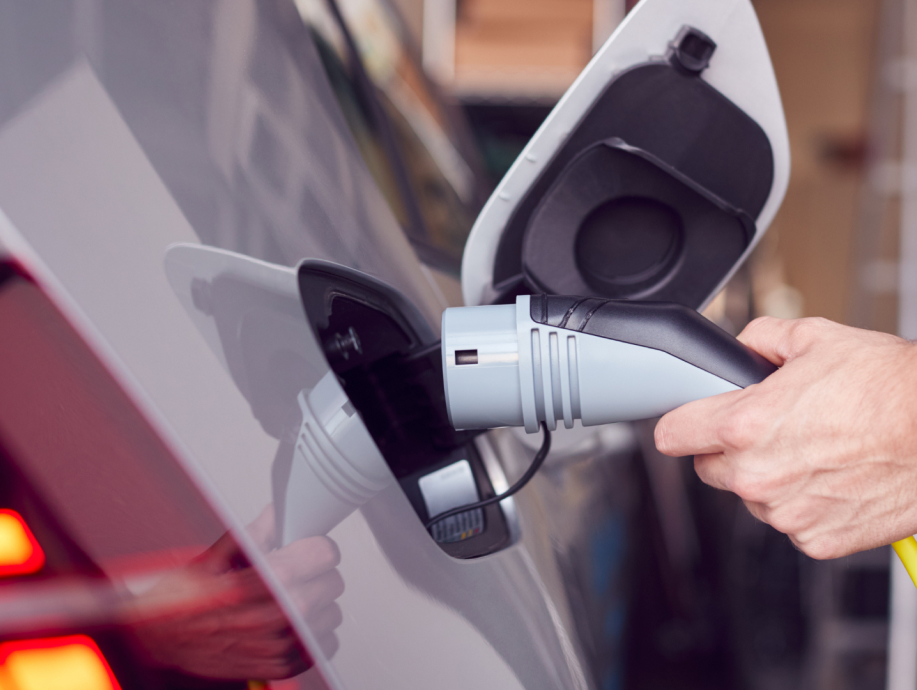
Level 1 EV Charger
A Level 1 charger operates using a standard 230 to 240 volt household outlet in Australia. Most electric vehicles come with a portable Level 1 charging cable as standard.
Charging Time
Level 1 chargers typically add around 10 to 15 kilometres of driving range per hour of charging. Depending on your battery size, a full charge may take anywhere from 8 to 20 hours. For smaller plug in hybrid batteries, overnight charging is usually sufficient. For larger EV batteries, it may take considerably longer.
Cost
Level 1 chargers are the most affordable option. Many are included with the vehicle purchase, but standalone units can start from a few hundred dollars. As they plug into a regular power point, there is usually no need for additional electrical upgrades.
Installation
Installation is simple. If you have a compliant outdoor or garage power outlet, you can plug the charger directly into it. However, it is important that the circuit is in good condition and not overloaded by other appliances.
Mobility
One of the key advantages of Level 1 chargers is portability. You can store the cable in your vehicle and use it wherever a suitable outlet is available, which can be helpful when travelling.
Security
Because they are portable and easy to disconnect, Level 1 chargers are less secure in public or shared spaces. They are best suited for private home use.
Best For
Level 1 charging is suitable for:
- Drivers with short daily commutes
- Plug in hybrid owners
- Households with access to overnight parking
- Those seeking a low cost entry option
For many Australians who drive modest distances each day, a Level 1 charger may be perfectly adequate.
Level 2 EV Charger
A Level 2 charger uses a dedicated 240 volt circuit and provides significantly higher power output than a Level 1 unit. These chargers are typically wall mounted and professionally installed.
Charging Time
Level 2 chargers can add between 40 and 100 kilometres of range per hour, depending on the unit and vehicle. A full charge can often be completed in as little as 4 to 8 hours. This makes them ideal for daily use, especially for households with higher driving demands.
Cost
Level 2 chargers are more expensive. Units generally start from around several hundred dollars and can exceed a few thousand for advanced or commercial models. Installation costs must also be factored in, as a licensed electrician is required.
Despite the higher upfront cost, many homeowners find Level 2 charging more economical over time due to improved efficiency and faster turnaround.
Installation
Professional installation is mandatory in Australia. A licensed electrician will install a dedicated circuit and ensure compliance with Australian electrical standards. In some cases, switchboard upgrades may be required to handle the additional load.
If you are unsure whether your current electrical system can support a Level 2 charger, it is worth speaking with a qualified provider such as Charlie Sparks for guidance.
Mobility
Unlike Level 1 chargers, Level 2 units are typically fixed in place. They are commonly installed in garages, carports, or dedicated parking bays.
Security
Many Level 2 chargers include built in security features such as key access, card activation, or smart monitoring. These features make them more suitable for apartment complexes, workplaces, and shared environments.
Best For
Level 2 charging is suitable for:
- Fully electric vehicle owners
- Drivers with longer daily commutes
- Multi vehicle households
- Businesses installing workplace charging
Home Charging in Australia
Charging your EV at home remains the most convenient option for most Australian drivers. With electricity tariffs varying by state, charging overnight during off peak hours can significantly reduce running costs.
Both Level 1 and Level 2 chargers allow you to wake up to a fully or partially charged vehicle without needing to visit a public charging station.
When deciding between the two, consider:
- How far you drive daily
- Your vehicle’s battery capacity
- Your home’s electrical capacity
- Your budget
- Future vehicle plans
If you plan to upgrade to a larger EV in the future, investing in a Level 2 charger may provide better long term value.
For tailored advice specific to your property and usage, Charlie Sparks can assess your electrical system and recommend the most suitable charging solution.
Do All EVs Use the Same Connector?
Most EVs sold in Australia use the Type 2 connector for AC charging. This standard ensures compatibility with most Level 2 home chargers and public stations. Some older models or imported vehicles may vary, so it is always wise to confirm your vehicle’s specifications before purchasing a charger.
Ready to Charge Faster at Home?
Book an EV charger installation with Charlie Sparks, sized correctly for your switchboard.
Frequently Asked Questions
Can I install a Level 2 charger at home?
Yes, you can install a Level 2 charger at home, provided your electrical system can support it. A licensed electrician must complete the installation and ensure compliance with Australian safety regulations. In some cases, your switchboard may need upgrading.
How do I choose a suitable EV charger?
Start by assessing your daily driving distance and available charging time. If you drive short distances and can charge overnight, Level 1 may be sufficient. If you require faster charging or drive long distances regularly, Level 2 is often the better choice. Consulting a professional installer can help you make an informed decision.
Do all EVs use the same connector?
Most modern EVs in Australia use the Type 2 connector for AC charging. However, always check your vehicle manufacturer’s specifications to confirm compatibility before installation.
Is home charging cheaper than public charging?
In most cases, yes. Charging at home, especially during off peak hours, is generally more cost effective than relying on public fast chargers. Electricity rates vary across Australian states, so reviewing your energy plan is recommended.
How long does a Level 2 installation take?
Installation time depends on your existing electrical setup. If your switchboard and wiring are adequate, installation may be completed within a few hours. More complex upgrades may take longer.
Choosing the Right EV Charger
The difference between Level 1 and Level 2 EV chargers ultimately comes down to speed, convenience, and investment. Level 1 offers simplicity and low upfront cost. Level 2 delivers faster charging and greater practicality for regular drivers.
As electric vehicle adoption grows across Australia, having the right home charging setup becomes increasingly important. A professionally installed system not only improves convenience but also supports safe and efficient operation.
If you are considering upgrading your home charging setup, speak with Charlie Sparks for expert advice and compliant installation services across Australia.
Ready to future proof your home for electric vehicle charging? Contact Charlie Sparks today to arrange a professional assessment and installation that suits your needs.