
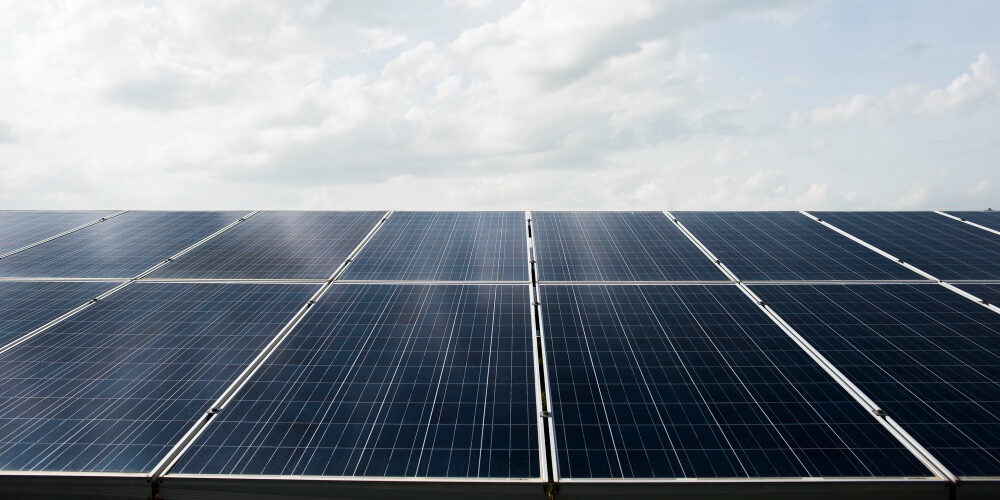
Top Ways to Protect Solar Panels During the Rainy Season
Every wet stretch brings the same calls. A system that was fine in January starts tripping in March, or the app shows one string sitting flat while the other keeps producing. The panels are almost never the culprit. Rain simply finds whatever was already loose, cracked or blocked and turns it into a fault. A bit of preparation before the wet weather settles in will save you the repair bill and the weeks of lost generation that come with it.
Worried About Solar in the Wet?
Rain and storms can take a toll on panels. Get weatherproofing advice from Charlie Sparks.
Rain is not the problem, water getting inside is
A solar panel is laminated glass with a sealed frame and drainage points built into it. It is designed to sit in the weather for decades and shed water without any help from you. The parts that fail are the ones around it: the rooftop isolator enclosure, the plug connectors between panels, conduit joins, cable glands and roof penetrations.
Across the Sydney homes our team inspects after a heavy run of rain, the same short list of faults comes up again and again, and nearly all of them were visible well before the storm arrived. Treating the wet season as a deadline for a check rather than a threat to the panels is the right way to think about it.
Check the rooftop DC isolator before the wet season
The DC isolator sits on the roof in full sun year round. Over time the plastic enclosure goes chalky and brittle, the lid seal hardens, and hairline cracks open up. Water then sits inside a box carrying high voltage direct current, which leads to tracking across the terminals, arcing and in the worst cases fire. This is the single most common wet weather fault we see on older Sydney systems, and it is also the easiest to prevent.
📖 People also read about:
Look for a discoloured or warped enclosure, a lid that no longer clips tight, or rust marks running down the roof sheet below it. Do not open it yourself. A licensed solar electrician can test and replace it in under an hour.
Clear the gutters, valleys and anything that sheds onto the array
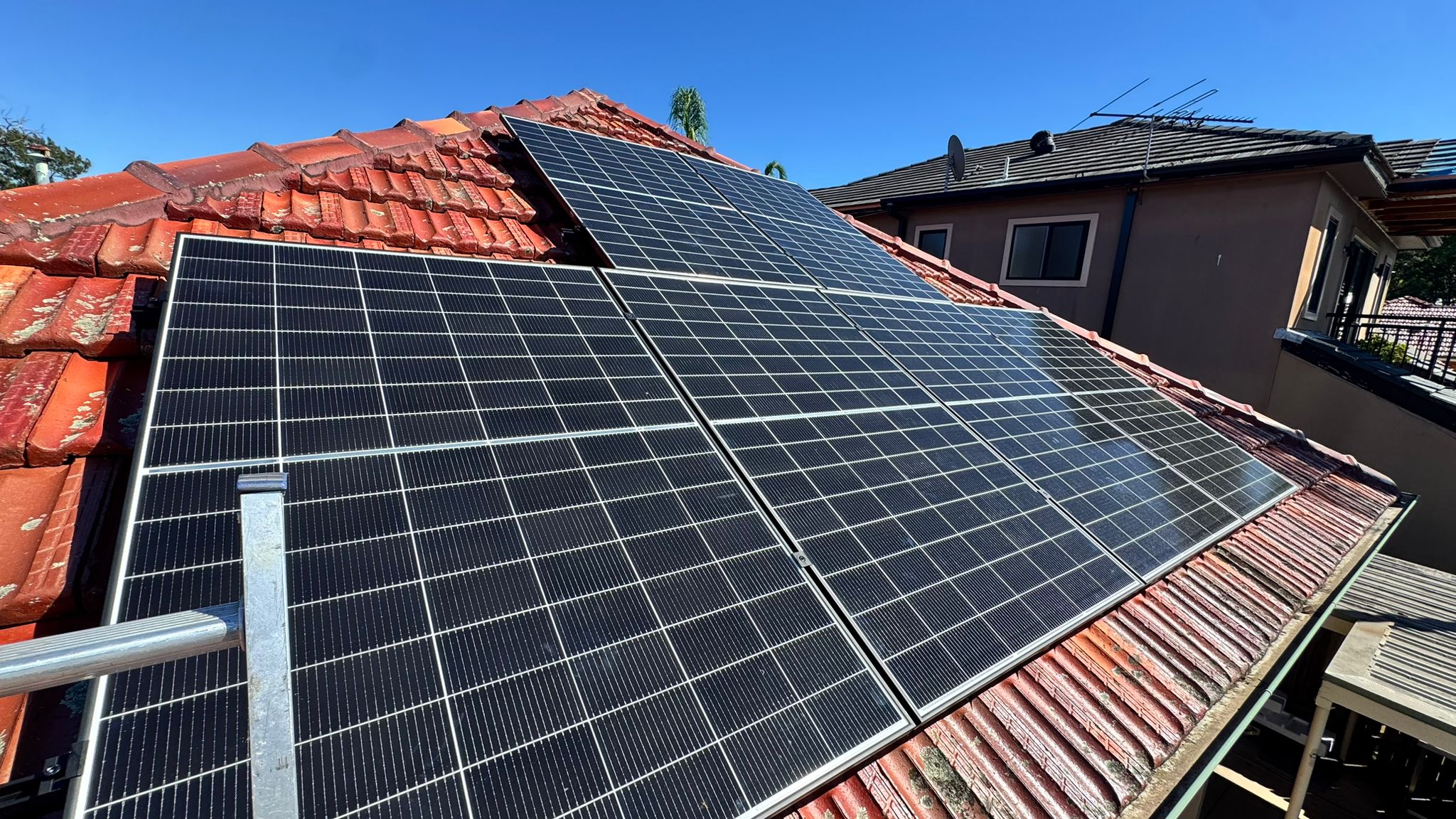
Blocked gutters push water back under the tiles, and that damage usually shows up inside the ceiling rather than on the roof. Leaf litter also gathers along the lowest row of panels where the frame meets the roof, holding moisture against the mounting feet and staining the glass edge. Once the sun returns, that shaded strip of debris becomes a shaded cell, which drags down the output of the whole string.
📖 People also read about:
Trim any branches that overhang the array before the wet season rather than after. Wind driven rain moves debris a lot further than people expect.
Look at the mounting, not just the panels
Wind usually arrives with the rain, and wind is what tests the rails, clamps and roof penetrations. Every foot that fixes the array to your roof passes through the waterproofing layer, and every one of those points relies on correct flashing or sealant that was applied years ago. Loose clamps let panels lift slightly, which works the seal open a little more each storm.
A pre-season solar panel maintenance inspection catches loose fixings and tired sealant while the fix is still a five minute job, and our technicians check the penetrations and the roof underneath them at the same time. Systems installed on older tiled roofs deserve particular attention, since cracked tiles around the feet are common and easy to miss from the ground.
Use your monitoring app as an early warning
Output drops on a wet day and that is normal. What matters is the shape of the curve. A rainy day should still show a low but steady rise and fall. A line that cuts out mid morning, one string producing while another sits at zero, or repeated inverter faults that only appear after rain all point to moisture somewhere in the circuit.
💡 Need help?
We offer professional solar installation sydney to help you achieve your goals.
Insulation resistance and earth fault alarms are the classic wet weather codes. They often clear on their own once the roof dries, which is exactly why they get ignored. An alarm that comes back with every rain event is telling you water is getting in somewhere.
Keep the inverter dry, shaded and ventilated
Outdoor rated does not mean it enjoys being hit by driving rain on an exposed western wall for a decade. Check that cable glands enter from underneath, that nothing is pooling on top of the unit, and that the cooling vents are clear of spider webs, nests and cobwebbed dust. An inverter that runs hot because its vents are blocked will throw errors on the first humid, overcast week of the season.
Safety rules during and after heavy rain
Stay off a wet roof. Do not hose panels down while a storm is about, and do not attempt cleaning from a ladder in wind. If you see water near the switchboard, notice a burning smell, or hear a buzz or crackle from the inverter, shut the system down at the AC isolator and call a licensed electrician. Damaged DC cabling stays live whenever there is daylight, so it should never be touched or moved.
What to do once the storm passes
Do a visual check from the ground. Look for cracked or bruised glass, panels sitting unevenly, sagging cable trays, and water stains inside the eaves. Then open the app and compare output with a similar overcast day from before the storm. If anything looks off, book an inspection rather than waiting to see if it settles. Small faults after rain tend to get worse with the next one.
Get your system checked before the next wet stretch
Charlie Sparks has been looking after solar across Sydney for over a decade, and a pre-season inspection is one of the cheapest things you can do for a system worth thousands. If your isolator looks tired, your output has dropped after rain, or you simply want peace of mind before the next big week of weather, get in touch with our team or call (02) 8310 4077 and we will get an accredited technician out to you.
Protect Your Panels This Rainy Season
Book a licensed Sydney team to inspect and weatherproof your solar system. Talk to Charlie Sparks.