
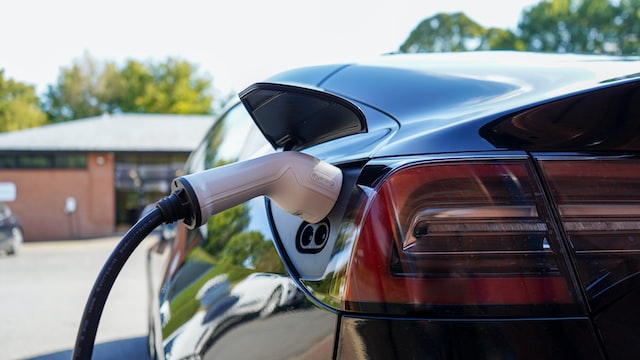
Trained personnel can install an electric car charger quickly and efficiently, and residential and commercial customers can typically expect a fully-tested charging point installed at the desired location within a lesser time.
Before any site visit, ensuring a smooth installation process is imperative by providing comprehensive information, performing a thorough inspection, and recognising that every project may require a different amount of time than the average.
Let us walk through some factors that affect the time to install an EV Charger.
Installing a Home EV Charger?
Install time depends on your board, cable run and charger. Get a firm timeline from Charlie Sparks.
Factors that affect the time to install an EV charger
Labor hours
Due to the individualized nature of each installation, the average time frame to complete a home EV charging station set-up is between two and six hours.
A prompt and efficient installation is completed within two to three hours if we supply all requisite details on time and make preparations following recommendations.
Charging unit
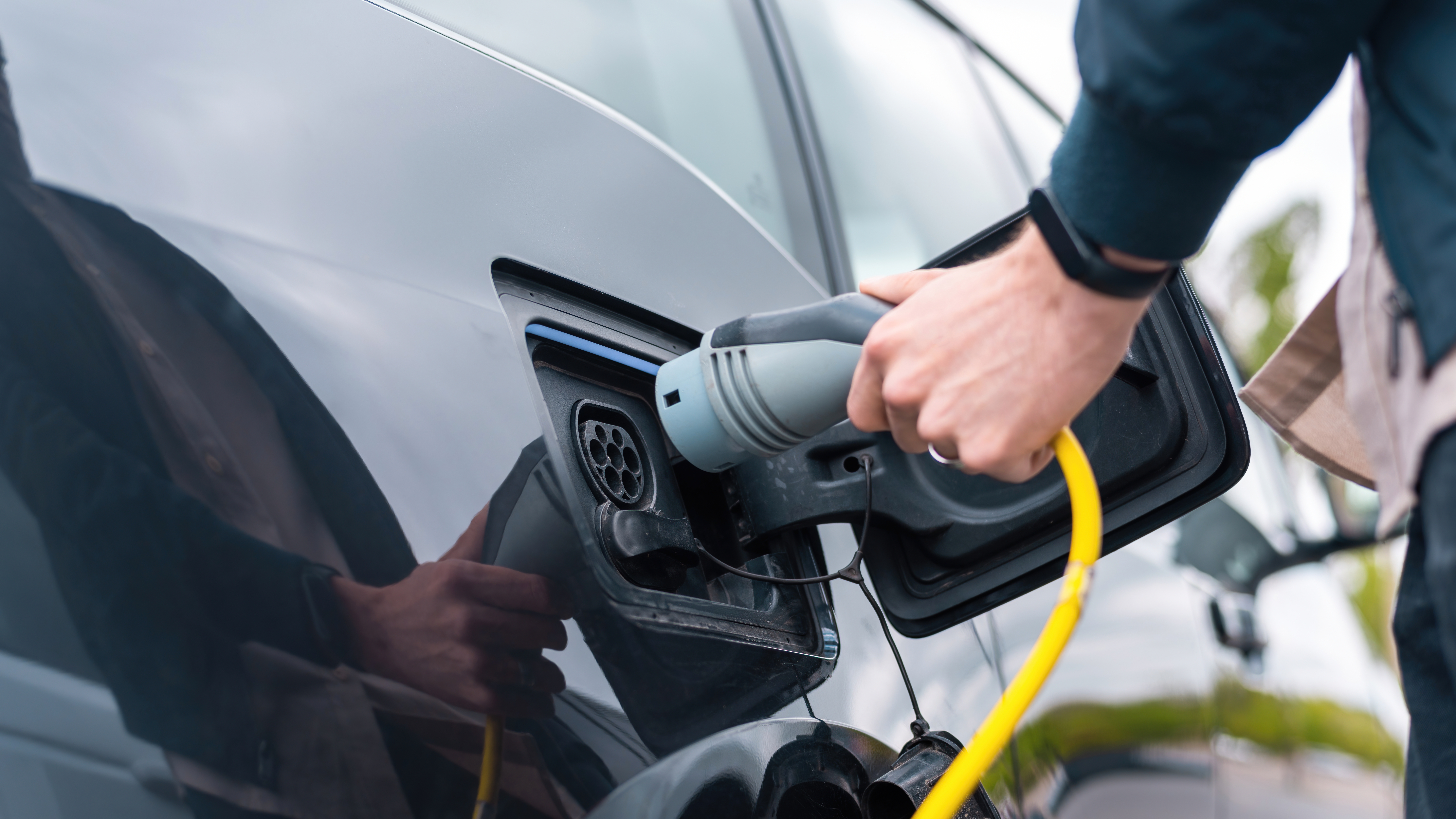
The selection of a charging unit – whether model, tethered, or untethered – can influence the installation duration of an electric vehicle charger.
Additional works
If additional cabling or distribution/protective apparatus is required, there will be additional costs and installation time.
Are there any issues with installing a Home EV Charger?
Following their site survey, the installer should advise you of any potential limitations to the EV charger installation.
Ready to Book Your Install?
Book a licensed Sydney electrician to install your home EV charger quickly and safely. Talk to Charlie Sparks.
Frequently Asked Questions
Are home charging stations safe?
Can I leave my EV plugged in overnight?
This type of charging station typically takes 8-12 hours to fully charge a vehicle from 0 to 100%, making it safe to charge an electric vehicle overnight with a regular EV charger of 3kW.
It would be best if you decided the duration of charging sessions based on the charger’s capacity, the EV’s battery capacity, and the available charge in your electric car.