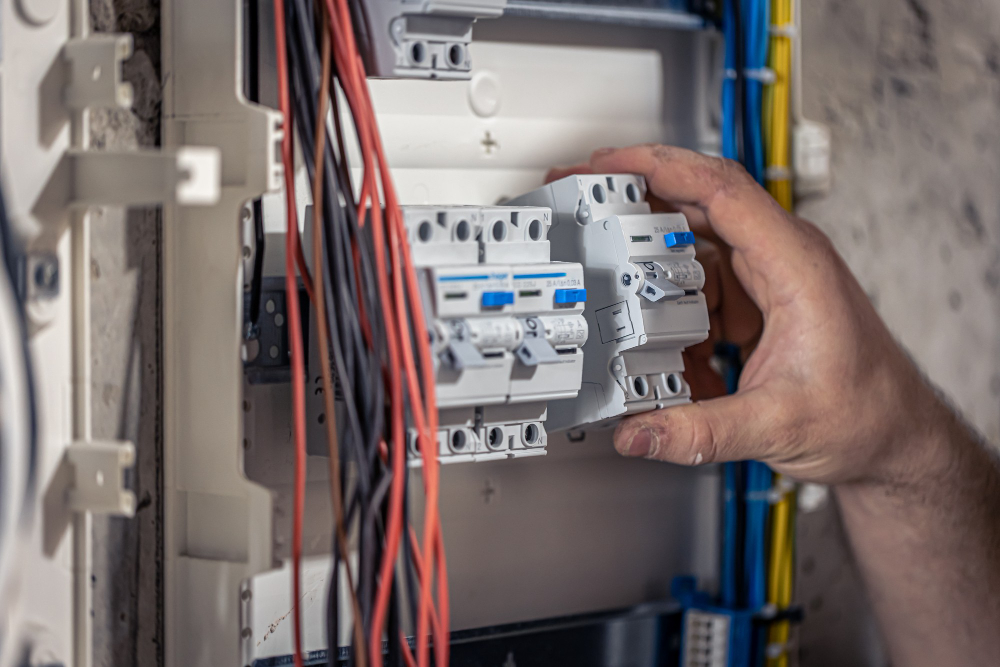
Most electrical fires don’t start with a bang. They start with a warm power point, an old switchboard that has “always been fine”, or a heater plugged into a power board that was already doing too much. By the time you smell smoke, the problem has usually been building quietly for months.
Our licensed electricians work in Sydney homes every week, from older brick and fibro houses in the south-west to new builds with solar and batteries on the roof. Most of the fire risks we find are simple to fix once you know what to look for.
Worried About Electrical Fire Risks?
Faulty wiring and overloaded outlets are common causes. Get a safety check from Charlie Sparks.
Stop Overloading Power Boards and Outlets
Power boards are handy, but they often end up doing the job of a proper circuit. Heaters, kettles, air fryers, toasters and portable air conditioners all draw a lot of current. When two or three share one board, the plug, the board and the wall socket can all heat up.
A few habits make a real difference:
- Plug high-draw appliances straight into a wall outlet.
- Never plug one power board into another.
- Bin any power board with scorch marks, loose sockets or a cracked case.
- Keep leads out from under rugs, where damage and heat go unnoticed.
If most rooms rely on power boards, your home needs more power points, not more extension leads.
Check Your Switchboard and Safety Switches
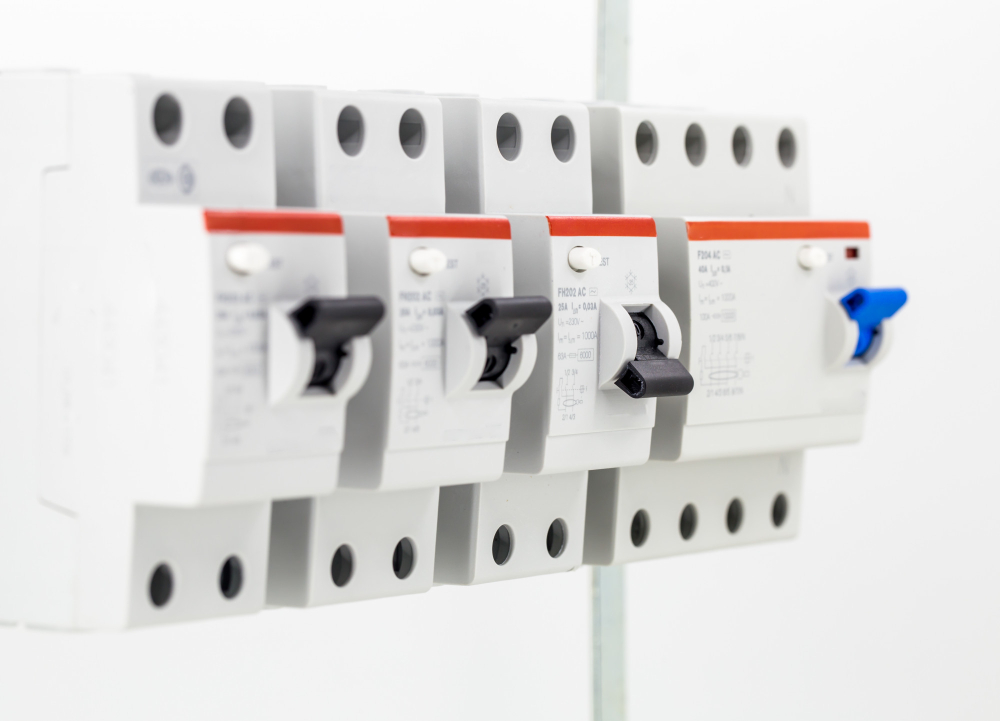
Your switchboard is the first line of defence. Older boards with ceramic fuses can’t cut power as quickly as modern circuit breakers, and many have no safety switches at all. We still open boards where someone has swapped blown fuse wire for a thicker gauge so it “stops blowing”. That removes the exact protection that stops a cable overheating inside your walls.
A safety switch (RCD) cuts power within a fraction of a second when it detects current leaking to earth. Current wiring rules require them on all circuits in new homes, yet many older homes only have one covering the power points. If you want to prevent electrical fires at home, an upgraded switchboard with safety switches on every circuit is one of the most effective changes you can make.
📖 People also read about:
Press the test button on each safety switch every three months. If one keeps tripping, don’t keep resetting it. It’s usually pointing to a real fault.
Know the Warning Signs
Electrical faults tend to give you clues before they turn into a fire. Call an electrician if you notice:
- Power points or switches that feel warm to touch
- A burning plastic or fishy smell with no obvious source
- Buzzing or crackling from outlets, switches or the switchboard
- Lights that flicker or dim when an appliance kicks in
- Brown or black marks around a power point
- Plugs that sit loosely and fall out
When we trace a burning smell on a callout, it’s often a loose connection behind a power point. Stop using that outlet until it has been checked.
Look After Appliances, Cords and Chargers
Check appliance cords for fraying, kinks or exposed wire, and replace damaged items rather than taping them up. Keep heaters at least a metre from curtains, bedding and furniture. Clean the dryer lint filter after every load, and leave space around fridges, TVs and microwaves so they can vent heat.
Lithium batteries in e-bikes, scooters, power tools and phones need care too. Charge them on a hard surface, away from exits and bedding, using the charger that came with the device. Don’t leave them charging overnight or while you’re out.
Replace Old Halogen Downlights
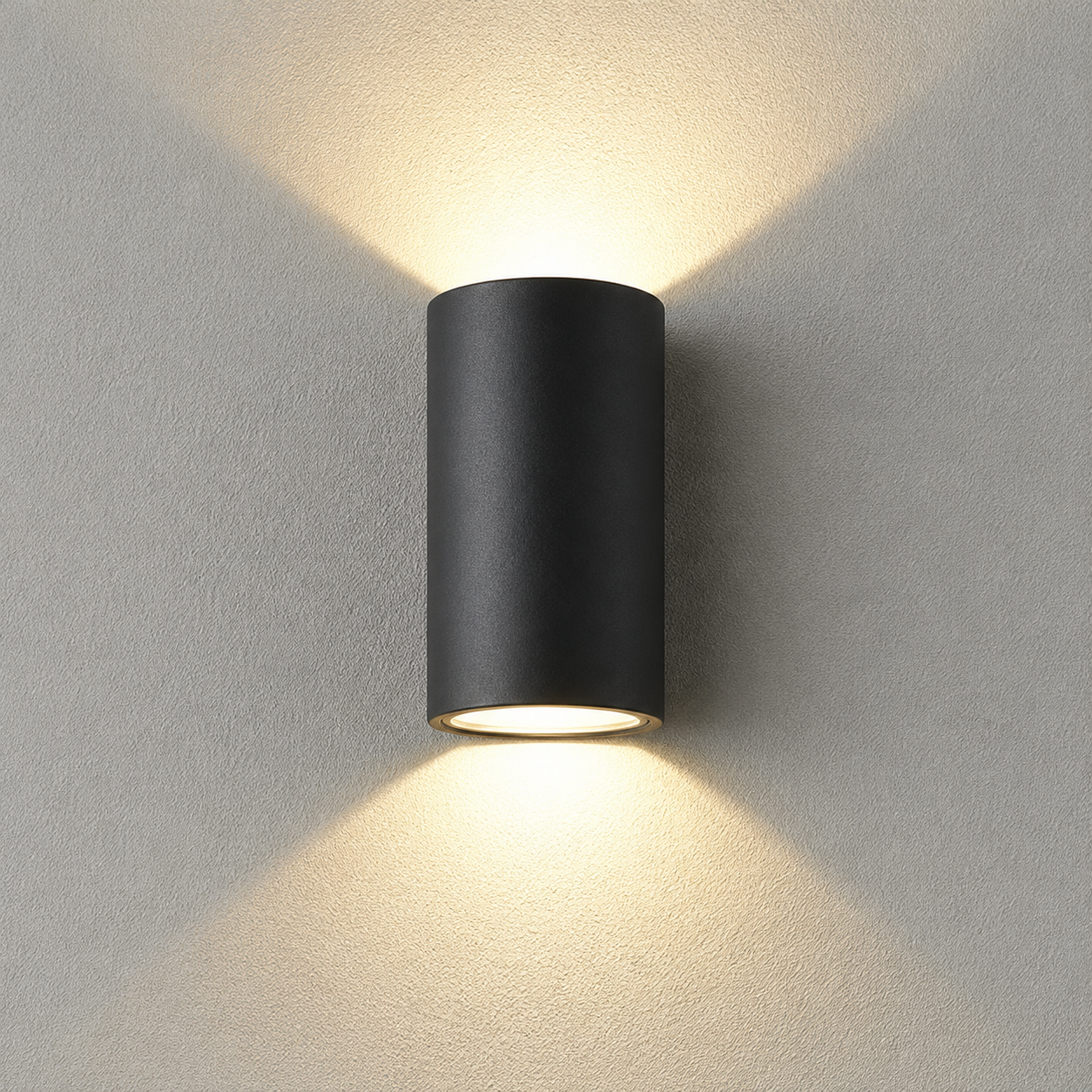
Halogen downlights run hot, and in Sydney roof spaces that heat sits right next to timber, dust and insulation. We regularly find insulation pushed up against old fittings after other trades have been in the ceiling. Switching to LED downlights cuts the heat dramatically and lowers your power bill at the same time.
Don't Forget Your Solar, Battery and EV Charger
Rooftop solar brings its own risks, and they’re easy to miss because they sit out of sight. DC isolator switches on the roof face sun and rain for years, and water getting inside can lead to arcing. Some older isolators have also been recalled. If you see inverter error messages, discoloured isolator covers or a drop in output, get your system inspected.
📖 People also read about:
Home batteries need clear space around them, so don’t turn the battery area into storage for paint tins or cardboard. For electric vehicles, never charge from a household extension lead. A dedicated circuit and a wall charger installed by a licensed electrician is the safe way to do it.
Keep Smoke Alarms Working and Have a Plan
Smoke alarms don’t stop fires, but they buy your family time. NSW law requires working smoke alarms on every level of your home, and interconnected alarms give the best warning because they all sound together. Test them monthly.
💡 Need help?
We offer professional solar installation sydney to help you achieve your goals.
Make sure everyone knows where the switchboard is and how to turn off the main switch. Never use water on an electrical fire. Use a fire blanket or an extinguisher rated for electrical fires, and if the fire is growing, get out and call 000.
Book a Regular Electrical Safety Check
A licensed electrician can pick up what you can’t see: loose terminations, heat-damaged cables and missing protection. It’s a smart step if your home is older, you’ve just bought or renovated, or you’ve added air conditioning, solar or an EV charger.
Book a Home Electrical Safety Check with Charlie Sparks
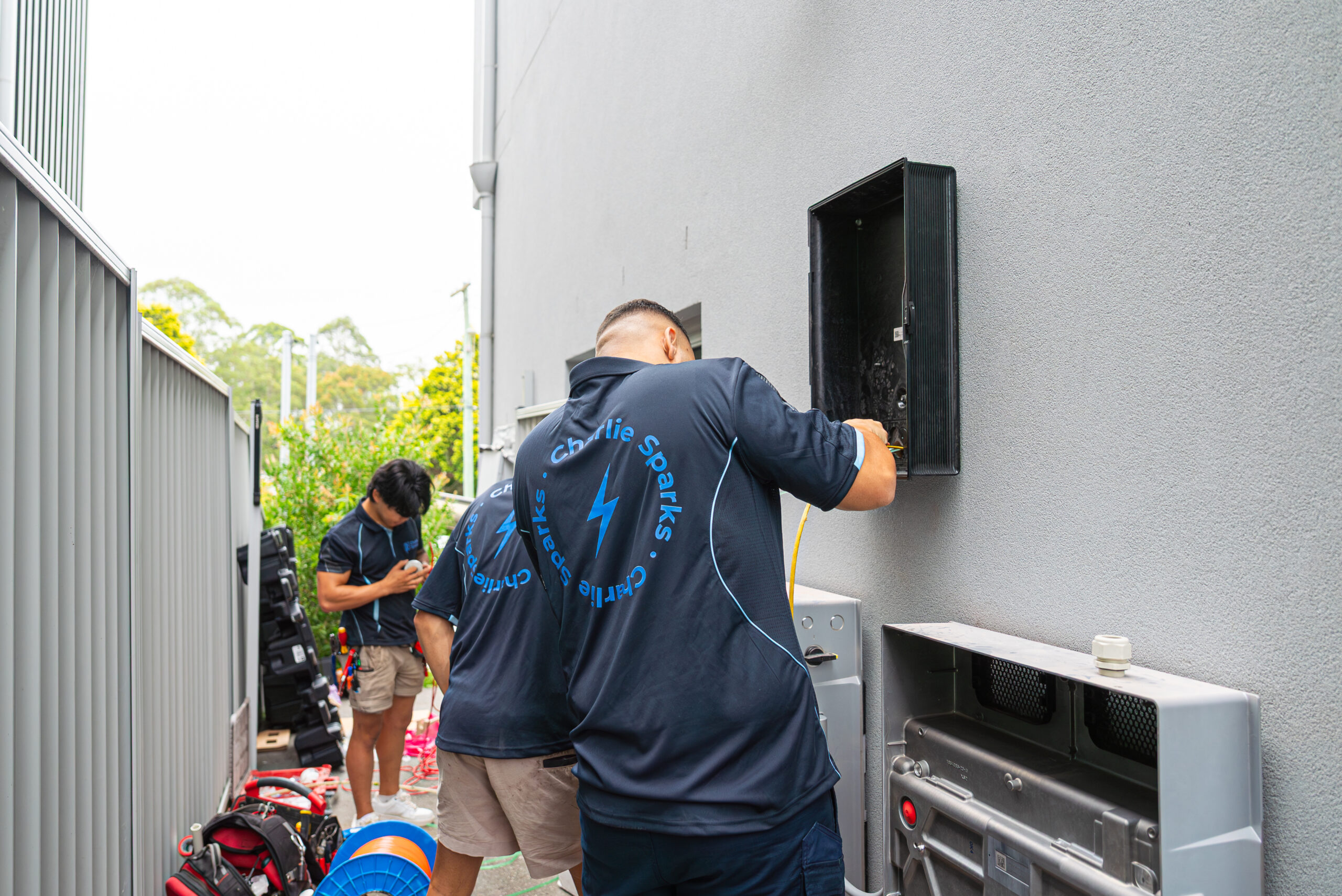
Charlie Sparks is a licensed electrical and solar team based in Condell Park, covering homes across Sydney with 24/7 emergency support. Whether it’s a hot power point, a switchboard upgrade or your solar isolators, we’ll find the risk and fix it properly. Contact us today or call (02) 8310 4077 to book.
Book an Electrical Safety Inspection
Have a licensed Sydney electrician check your home for fire hazards. Talk to Charlie Sparks.