
Experience the convenience of charging your electric vehicle (EV) in your home – it’s never been easier to drive electric! And if you take it a step further and upgrade to a Level 2 charger, you can have up to 60 miles of extra range every hour – how delightful!
A quicker charger enables you to make the best use of your EV and take those exciting electric-powered journeys, both near and far.
When selecting an electric vehicle charger for your home, compatibility with your automobile is likely not of consequence; however, there are a variety of other particulars to mull over.
Considering the different options for charging at home can be overwhelming, so let’s dive into some of the most critical factors and questions that can guide you in selecting the ideal charger.
Choosing a Home EV Charger?
Power, cable length, compatibility and safety all matter. Get help picking the right one from Charlie Sparks.
Considerations Before Buying a Home EV Charger
Power
Investing in an ESVE with 30 amps minimum for a worthwhile added range of 30 miles in only an hour is highly recommended. Always connect it to a circuit breaker with a 40-amp rating to ensure maximum safety.
Budget
Regarding electric car chargers, the cost will be a priority, significantly since prices have subsequently increased.
A charger is sure to fit any budget, starting at a price of £840, including installation.
There are accessible chargers and installation options with a monthly payment plan that starts at £20, so you can spread the cost out.
Cable length
For your convenience, an EV charging cable of 16-24 feet provides an ideal distance from the electrical outlet to your car, leaving your garage neat and clutter-free with no tripping hazard. Some EV charging models even include a holster to store the cable and connector.
Charger compatibility
No matter the model, all chargers employ the same standard plug to attach to 240-volt outlets, yet, the cord used to link the car to the energy grid can come in various lengths.
Ensure you opt for a charger with a long enough cord to reach your car’s charging port comfortably. More budget-friendly models often come with cables that measure 15 feet in length, but more is needed if the port is on the opposite side of the garage from the power source.
For this purpose, it’s better to get a 25-foot cord. It would be ideal to find a unit with a reel to neatly store the line away or a corkscrew design, so you don’t have to wind down the cord manually.
Safety standards
Ensure a secure charge for your EV battery with the most reliable certifications and circuit protection available – Charlie Sparks certifies for the ultimate safety, safeguarding your electrical panel from potential short-circuiting.
Cost
The price to get your electric car up and running depends on the size of its battery, how far it can go, and your local electricity rates at a particular period of the day.
Charging your EV at home with a Level 1 or 2 EV Charger can save you some serious money, especially if you do it during off-peak hours like overnight – when demand is lower.
Invest in a Level 1 EV charging cable for around $200 – $300 – then you’ll be all set to charge your EV at home at a reduced electricity rate per hour. Plus, if you ever need to trust when you’re out and about, public charging stations are at your disposal – although they might come with a higher kWh rate, it’s worth it for the convenience!
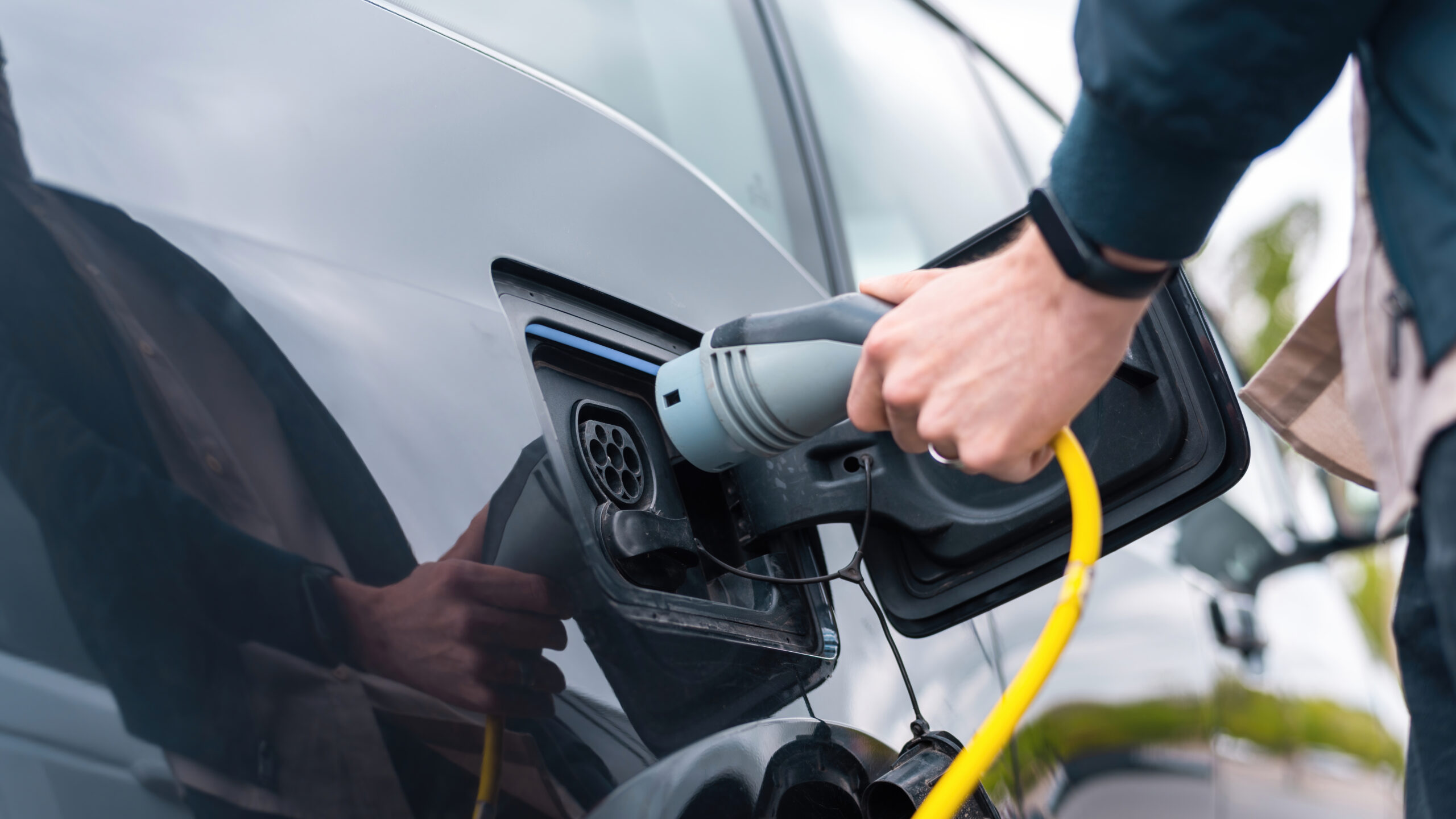
If you’re looking to add some extra convenience to your home life, investing in a Level 2 EV charger may be the way to go! On average, you can expect to spend between $500 and $1,000 for the charging station, plus an extra $500 to $1,000 for any necessary electrical wiring or labour if you don’t already have a 240-volt outlet in your garage.
Portability
Homeowners who do not want the hassle of hardwiring an EV charger need not worry! A portable Level 2 charger should be of manageable weight and size, allowing you to store it in your EV’s trunk easily. It’s the perfect solution when you need to charge up while away at a cottage or a future residence.
Hardwired or plug-in?
Many EV owners opt for hardwiring their chargers instead of a 240-volt outlet for a tidier and more permanent installation. It is a requirement in specific scenarios, such as outdoors or in particular municipalities.
When a compatible socket exists, you can take this machinery almost anywhere. Even if you don’t usually need to, you won’t need to call an electrician to set it up in your new abode!
A 240-volt outlet in the garage is convenient for other uses, like a cosy heater.
In defiance of tradition, JuiceBox offers a barely noticeable extra fee for hardwired models of the same product. At the same time, plug-in versions remain at the exact cost .
What Are The Benefits Of Using A Home Charging Station?
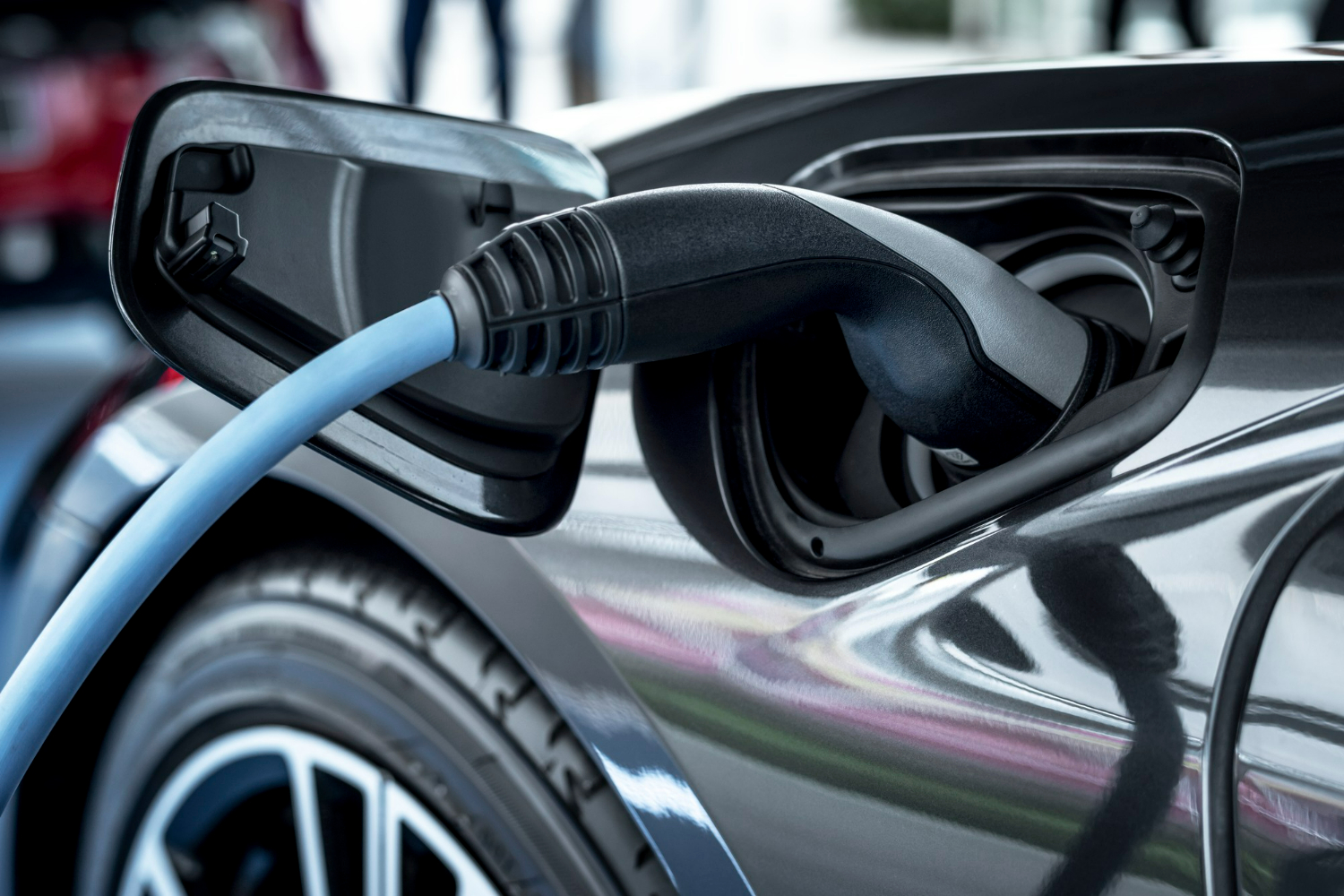
The ownership of an electric vehicle is a sensible choice, providing notable benefits in comparison to petrol-run vehicles. Not only is it ecologically sound and cost-effective, but it also requires minimal maintenance. Despite these advantages, many potential owners remain wary of the perceived difficulty in charging.
It's cheaper
Electric bills will be less expensive, with installation costs covered than public charging stations. It is also possible to provide real-time data on energy consumption to facilitate tax benefits claims. Smart solar charging stations are also available, providing the ability to take advantage of excess solar power at scheduled times.
A faster pace
A professionally installed home car charger can charge the battery to total capacitance within 45 minutes to 7 hours – far faster than charging at public stations. While rapid charging points are available, they often come at a higher cost.
It’s convenient.
Installing an electric vehicle charging station provides the convenience of personalised charging scheduling. It eliminates the need to rely on public charging stations and the arduous queuing process to charge an electric vehicle, thus freeing up valuable time for other priorities.
Life of the battery
The battery of an electric vehicle is comparable to a smartphone battery because its performance gradually declines over time. Heavy use and frequent charging can also lead to a reduced capacity to store power. As a precaution against battery degradation, keep battery capacity as close to complete as possible instead of relying on short-term charging at public stations.
Value of a property
Including an EV charger in the residence can be beneficial when appraising the property. This proactive step towards sustainability is becoming increasingly popular as the electric vehicle market gains momentum, and prospective buyers who own an EV may favour residences with a charging unit.
It's compatible
Most home EV chargers are compatible with many different EV car manufacturers, which is convenient should another EV from another manufacturer appear. It allows both cars to charge simultaneously, eliminating the need to queue up at a brand-specific public charging station multiple times.
Ready to Install Your Charger?
Book a licensed Sydney electrician to install your chosen home EV charger safely and to standard.