
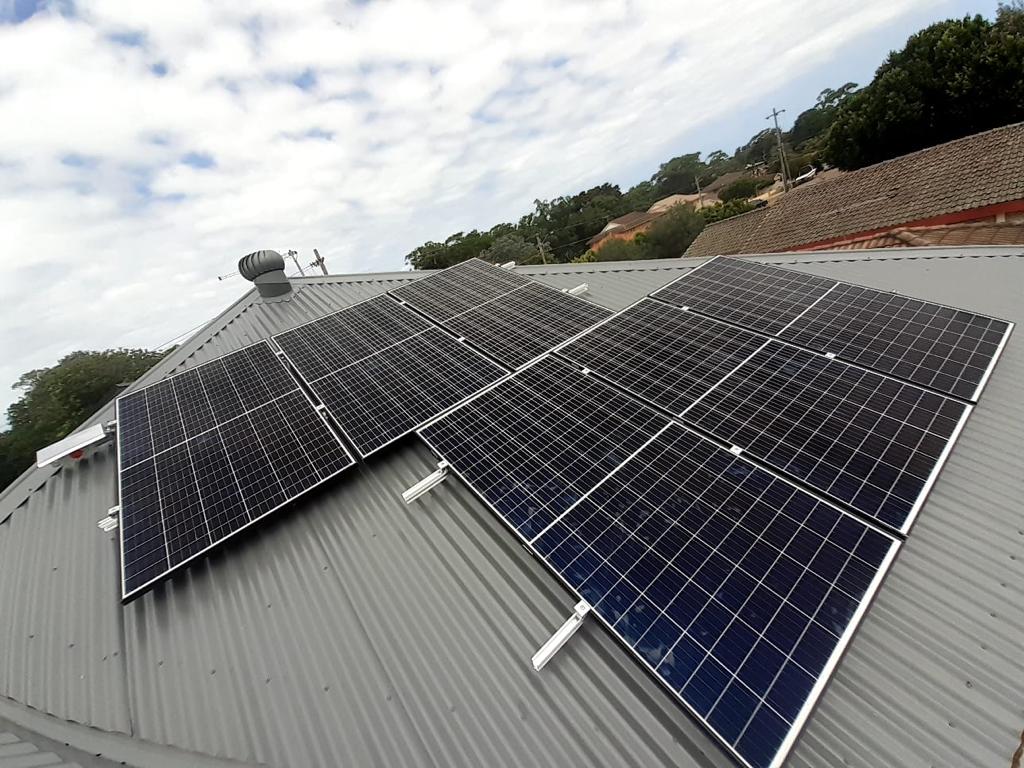
It is one of the most common questions we get from Sydney homeowners, usually on a grey morning when the monitoring app shows a much smaller number than it did the week before. Is the system still working? Is something wrong? And is solar even worth it in a city that gets its fair share of overcast weather?
Here is the straight answer from a team that installs and services solar systems across Sydney every week.
The Short Answer
Yes, solar panels work on cloudy days. They produce less electricity than they do in full sun, but they do not switch off when the clouds roll in. How much they produce depends on the type of cloud, the time of year and how well the system was designed in the first place.
Wondering If Solar Suits Sydney Weather?
Panels still generate on cloudy days. Get a realistic output estimate from Charlie Sparks.
Why Panels Still Produce Power Under Cloud
Solar panels run on light, not heat. The photovoltaic cells react to any sunlight that reaches them, and that includes light scattered through cloud, not only the direct beam you feel on a clear day. Clouds thin that light out, so less energy reaches the cells, but they rarely block it completely.
Cooler weather also helps a little. Panels lose some efficiency as they heat up, which is why a mild, bright spring day can sometimes outperform a scorching summer afternoon. On a cool overcast day, the panels have less light to work with, but they convert it in comfortable conditions.
📖 People also read about:
You may even notice short spikes on partly cloudy days. When the sun breaks out beside a bright cloud edge, the extra reflected light can briefly push output above what you would see under a perfectly clear sky.
Not All Cloudy Days Are the Same
“Cloudy” covers a lot of weather, and your panels feel the difference.
- Thin, high cloud: the sky looks white or hazy, but plenty of light gets through. Most systems still perform reasonably well.
- Grey overcast: a flat, even cover that noticeably cuts production. The system keeps ticking over, just at a lower rate.
- Dark storm cloud and heavy rain: output drops to a small fraction of normal while the worst of it passes overhead.
Rain has one upside. A good downpour rinses dust, pollen and bird droppings off the glass, so panels often perform better once the sky clears.
What Cloudy Weather Looks Like in Sydney
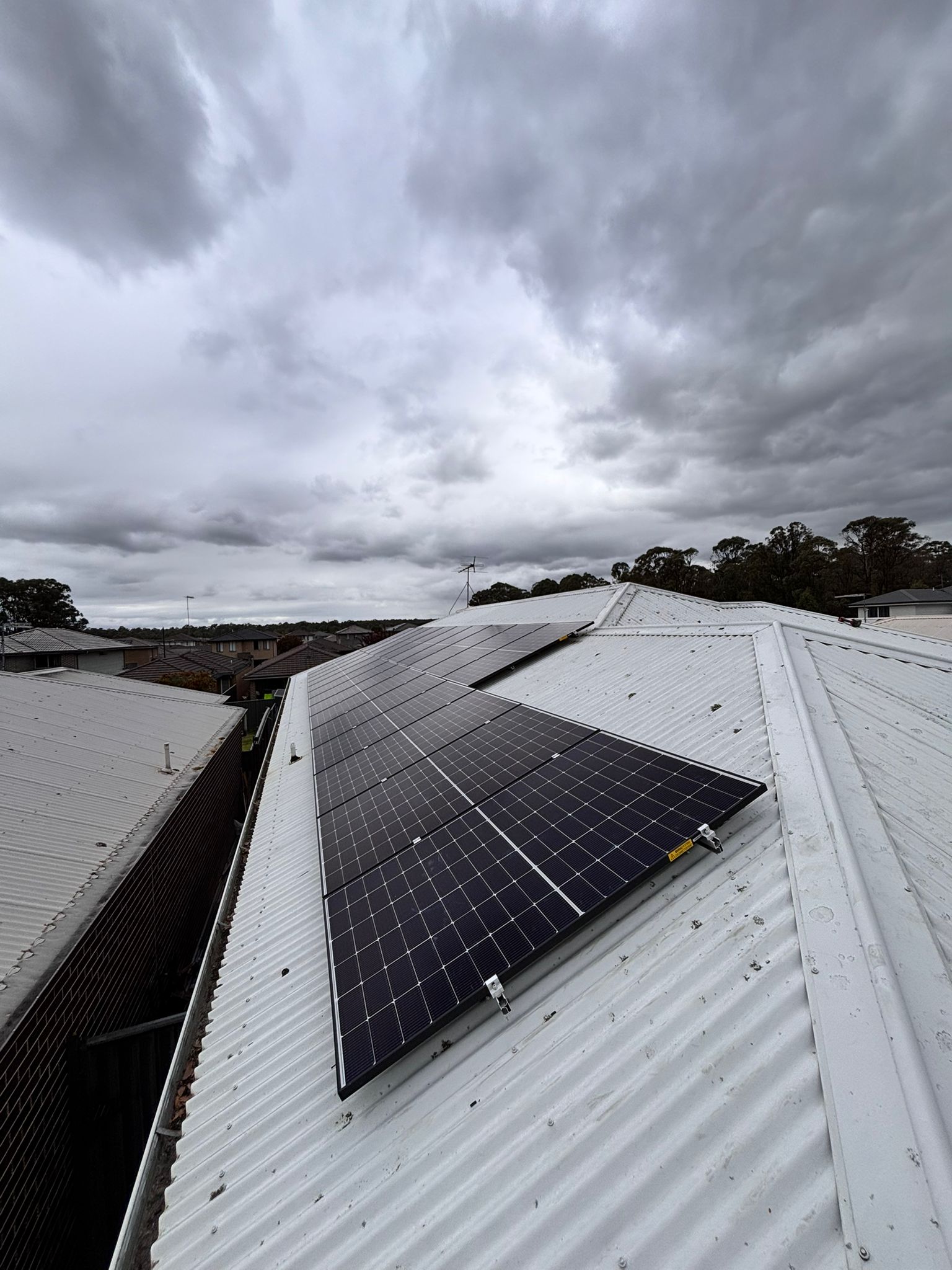
Sydney is a solid place for solar, grey spells and all. Working across Canterbury-Bankstown and the wider city, we see cloudy weather arrive in a few familiar patterns: overcast winter mornings that burn off by lunch, summer afternoon storms that knock output down for an hour or two, and the occasional east coast low that brings several wet days in a row.
📖 People also read about:
That last pattern worries people most, because a full week of low numbers looks alarming on an app. What matters is the yearly total. A system sized properly for your household is designed around a full year of Sydney weather, cloudy weeks included, not around one perfect summer day.
How to Get More From Your System When the Sky Turns Grey
Most of the work happens at the design stage. When we plan a solar installation in Sydney, we look at roof orientation, tilt, shading from trees and neighbouring buildings, and how the panels are split across the inverter. A system set up well from the start holds up far better in poor light than one squeezed onto whatever roof space was easiest.
A few things make a real difference:
- Quality panels and inverter: modern monocrystalline panels handle low light well, and a well-matched inverter starts producing earlier in the morning and keeps going later in the day.
- Managing shade: on overcast days every bit of light counts, so partial shading from a tree or chimney hurts more. Panel-level optimisers or microinverters can help on complicated roofs.
- A home battery: storing surplus from sunny days means a cloudy afternoon or evening can still run on your own power. We install Tesla Powerwall, Sungrow and GoodWe battery systems, among others.
- Smarter timing: on a grey day, run the dishwasher, washing machine or pool pump around the middle of the day when light levels peak.
When Low Output Isn't the Weather
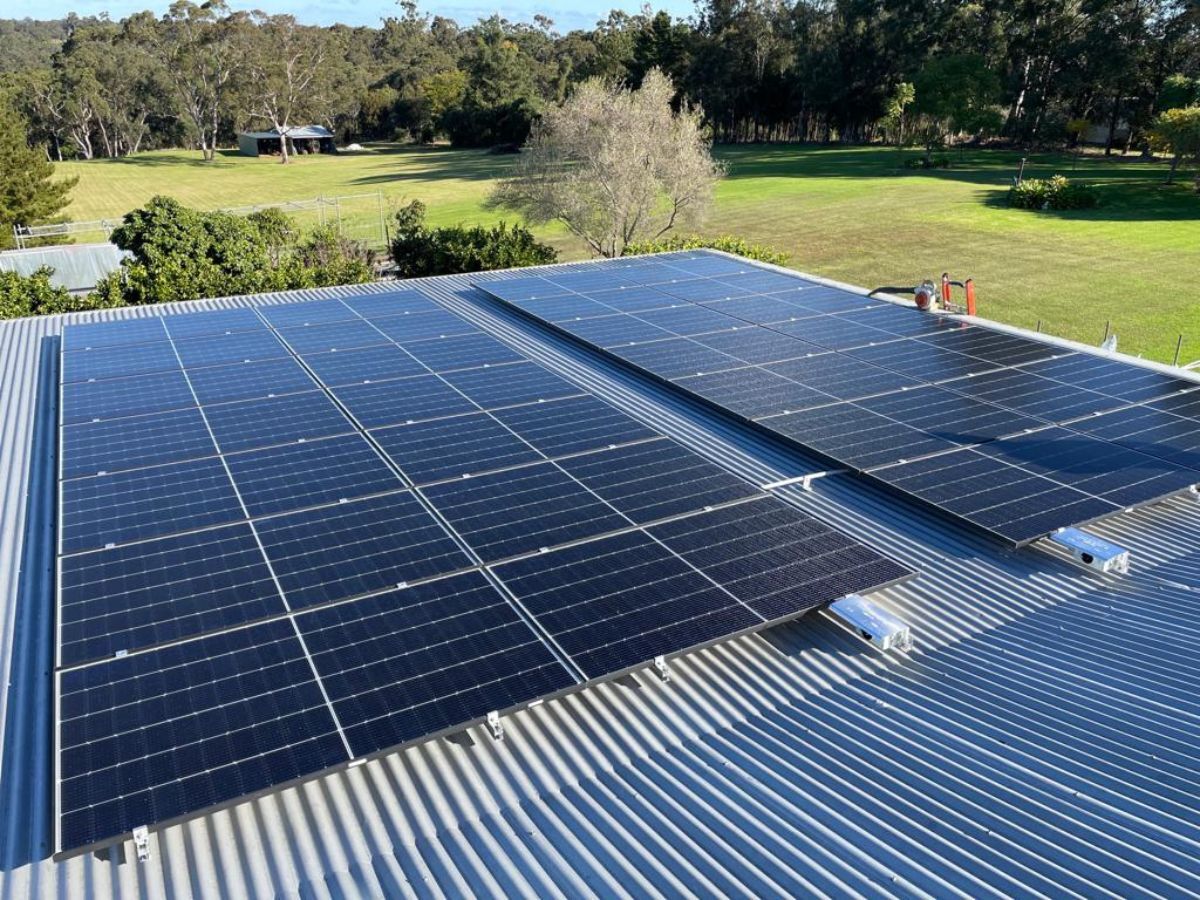
Cloud is the easy explanation, but it is not always the right one. If your system is producing much less than on similar days last year, shows an error on the inverter, or stays low once the sun comes back, something else may be going on. Common causes we find include a tripped isolator, a faulty inverter, new shading or heavy soiling on the panels.
💡 Need help?
We offer professional solar installation sydney to help you achieve your goals.
A quick check is to compare a clear day this month with a clear day from the same month last year in your monitoring app. If the numbers do not line up, it is worth having the system looked at by a licensed solar electrician rather than waiting for the weather to fix it.
Ready to Go Solar?
Book a licensed Sydney team to size and install a system that suits our climate. Talk to Charlie Sparks.
Frequently Asked Questions
Do solar panels work when it's raining?
Yes, though output is low under heavy rain cloud. Once the rain clears, panels are often cleaner and perform better.
Do solar panels work at night?
No. Panels need light to generate electricity. A battery lets you use stored solar power after dark.
Is solar still worth it if my area gets a lot of cloud?
For most Sydney homes, yes. Solar is judged over a full year, and cloudy days are built into the design when the system is sized correctly.
Get Your Solar Working Harder, Rain or Shine
Whether you are thinking about going solar or wondering if your current system is pulling its weight on grey days, the Charlie Sparks team can help. Our SAA accredited installers have been working on Sydney homes and businesses for over a decade, and we give straight advice on panels, batteries and system design. Book our $99 solar onsite diagnostic or request a quote through our contact page, or call us on (02) 8310 4077.