When you compare hybrid inverter brands, the brand name is only the starting point. Check these details for the exact model on your quote:
- It appears on the CEC approved inverters list
- It works with the battery you plan to install, now or later
- The warranty terms are clear and in writing
- It has monitoring, so you can see what the system and battery are doing
- There is local support if the inverter ever needs service
Charlie Sparks supplies several hybrid options, including Sungrow. We also install GoodWe and Tesla inverters. We do not rank them, because the right inverter depends on your roof, your battery plans and your budget.
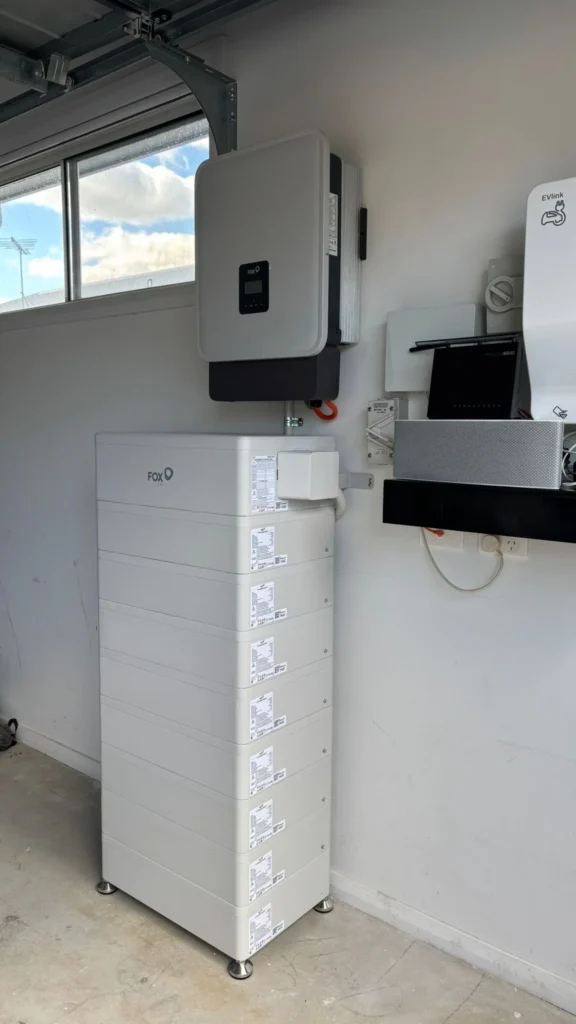
Monitoring is more useful than it sounds. A good app shows what the panels are producing, what the home is using and how the battery is charging, so you can spot a problem early rather than finding out from a bill.
If storage is part of the plan, our solar batteries page explains the options. A battery-ready inverter installed today can make adding storage simpler later on, and our guide to the best solar battery covers what to look for in the battery itself.
Match the Inverter to Your Solar Panel Array
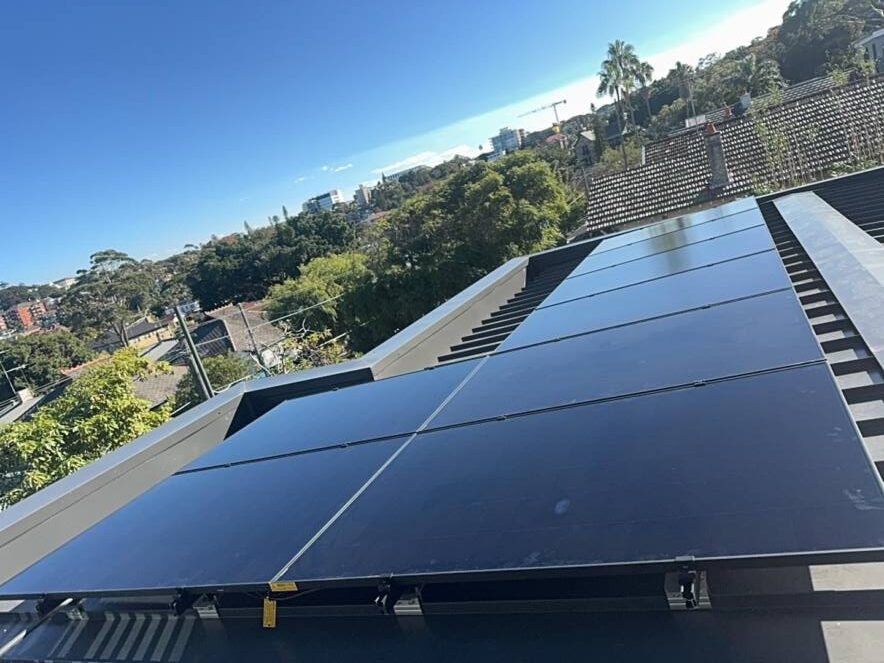
An inverter only performs well when it suits the panels feeding it. Every solar panel array has its own voltage, current and layout, and the inverter has to match all three. Key points to check:
- The inverter input range suits the voltage and current of your panel strings
- There are enough trackers for each roof face, so east and west panels do not hold each other back
- The inverter is listed on the CEC approved inverters list, which is required for the system to qualify for small-scale technology certificates, known as STCs
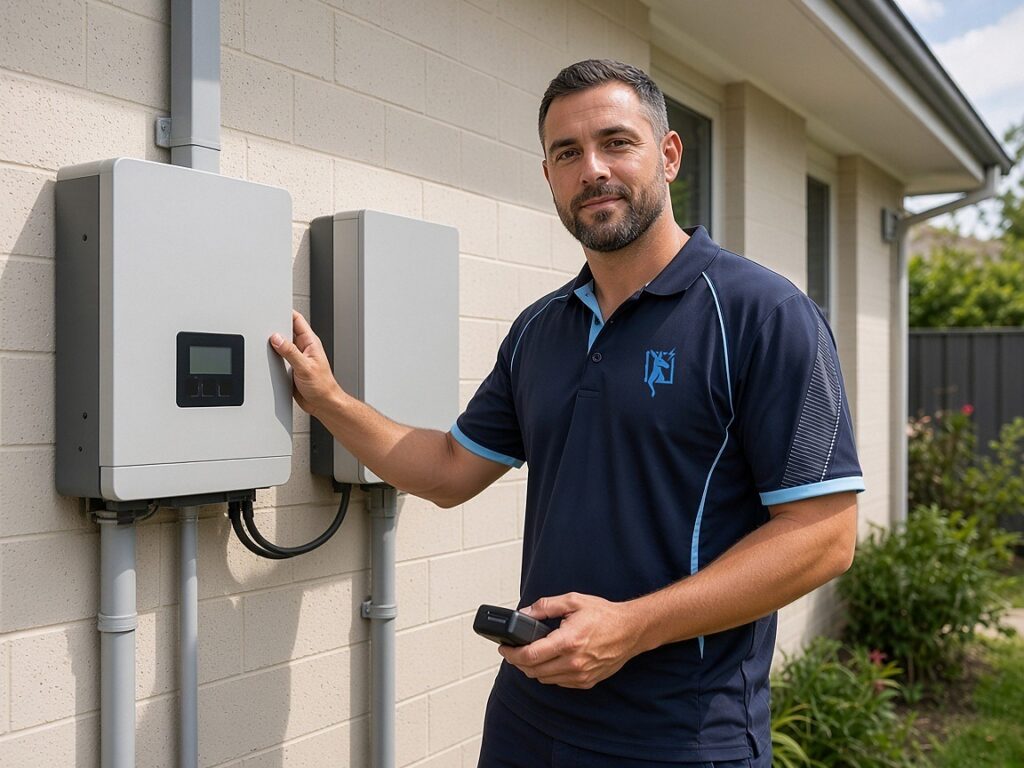
- There is a suitable, shaded and ventilated spot to mount it, close to the switchboard
Where the inverter goes matters too. Inverters work best out of direct afternoon sun, with space around them for airflow, so a garage wall or a shaded side of the house is often a good spot.
A good installer designs the panels and inverter together, rather than picking each part in isolation. To learn more about the panel side, see our solar panels page and our guide to the best solar panels in Australia. When you are ready to go ahead, our solar installation in Sydney team can design the full system.
Frequently Asked Questions
What are the best solar inverters in Australia?
There is no single winner for every home. The best inverter for you depends on the type that suits your roof, whether your home is single or three phase, the right size for your array, and whether you want a battery now or later. Always check the exact model is CEC approved.
Should I choose a string, hybrid or microinverter?
A string inverter suits simple roofs with good sun. A hybrid inverter suits homes that want a battery now or later. Microinverters suit roofs with several faces or partial shade, because each panel works on its own. Your installer can explain which type fits your roof.
Do I need a 10kW inverter?
Only if it suits your array and your supply. A 10kW inverter is common on larger home systems, but the right size depends on how many panels fit on your roof, whether the home is single or three phase, the export limits on your connection and how much power you use.
Can I add a battery later?
Often, yes. It is simpler if your inverter is already battery ready, because a hybrid inverter can connect a battery directly. If your current inverter is not battery ready, a battery with its own inverter, known as an AC-coupled battery, may suit instead. Your installer can check what your current system supports.
How much does a solar inverter cost in Australia?
The price depends on the inverter type, its size, whether it is a hybrid model, access to the mounting spot, and whether any switchboard work is needed. Your electrician will confirm the price for your job. Call us for a free quote.
Talk to Charlie Sparks About Solar Inverters
Charlie Sparks is a Condell Park solar and electrical company helping homes in Bankstown, Yagoona, Bass Hill and across greater Sydney. Sydney’s Trusted Solar Installers with Solar Accreditation (SAA) for safe, quality, and on-time solar and electrical solutions. Serving New South Wales residents, businesses, and strata estates for over a decade.
Call us for a free quote.
Call Charlie Sparks on (02) 8310 4077. We are open Monday to Saturday, 7am to 6pm. Closed Sunday. You can also contact Charlie Sparks online.