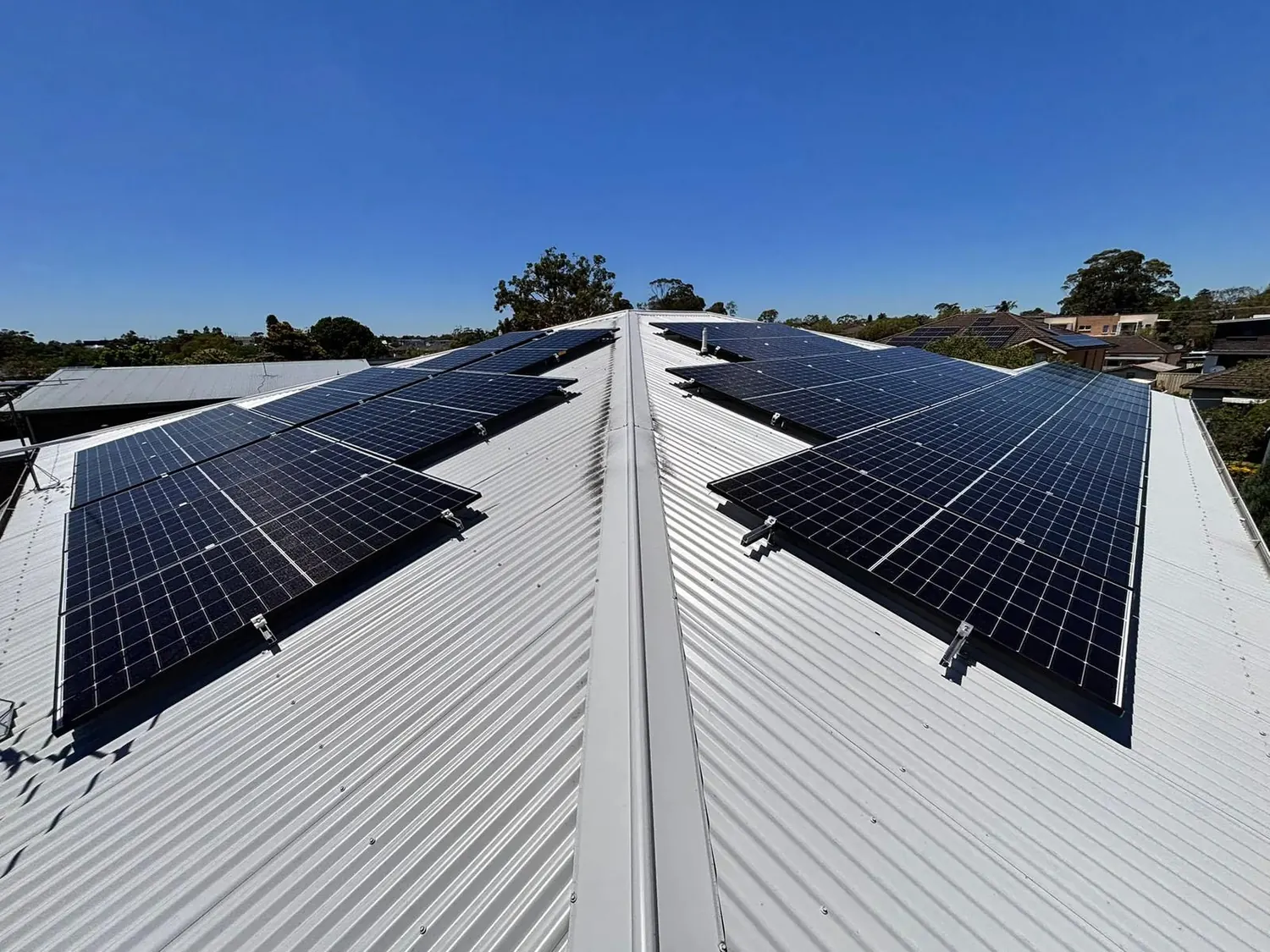
A solar cell is the small building block inside every solar panel that turns sunlight into electricity. When many cells work together across a rooftop array, they produce solar electricity that your home can use straight away.
Sunlight is a clean renewable source of energy. Once the panels are installed, they make electricity without burning fuel and without creating noise or smoke at your home. That is the core of the environmental case.
Here is how solar can help the environment:
- It can lower the environmental impact of the electricity your household uses
- It can reduce your home’s carbon footprint, because some of the power you use comes from your own roof
- It reduces how much electricity you draw from the grid, where a share of supply still comes from fossil fuels
- It makes use of a resource Sydney has plenty of, which is sunshine
Many households see rooftop solar as one practical way to do their part on climate change, alongside other steps such as using energy efficient appliances and turning off what they do not need.
The size of the benefit varies from home to home. A larger system, good sun and daytime use of the power you make all help. Solar panels also have a long working life, and looking after them helps them keep performing well.
Energy Bills, Installing Solar and What You May Save
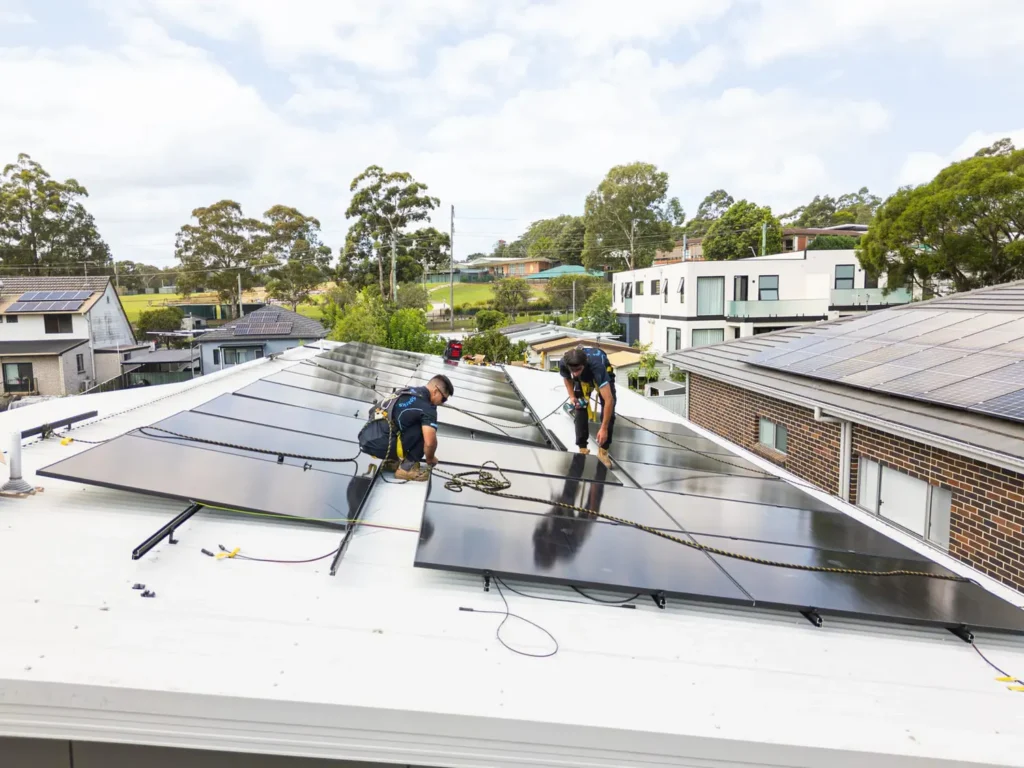
For many households, the wallet side is what makes installing solar worth a closer look. Every unit of solar power you use at home is a unit you do not have to buy from your retailer, which can lower your energy bills over time.
You will usually save the most when you use solar power during the day. Running the dishwasher, washing machine, pool pump or air conditioner while the sun is out helps you get more value from your system and can bring your electricity bills down further. Power you do not use may be exported to the grid, and any credit for it depends on your retailer and your plan.
As a general Australian guide, annual bill savings for a typical 6.6 kW system often sit around $1,000 to $1,700, and payback for a typical home system is often around 4 to 8 years. Your actual savings depend on your usage, your tariff and your roof.
A typical 6.6 kW system, installed, after the usual federal discount, including GST, often costs around $5,000 to $10,000. A federal discount may apply to eligible systems, and the quote will show it. Your electrician will confirm the price for your job. Call us for a free quote.
For more detail, read how much do you save with solar panels, solar panel installation cost in Sydney and are solar panels expensive to install. For help picking a size, see choosing the right solar system size for your home or business.
A battery can store daytime solar power for use at night, but it is a separate cost on top of the panels. Read how much do solar batteries cost and learn more about solar batteries. If you are thinking about paying over time, read top things to know about residential solar financing.
A Balanced Look at the Disadvantages
Solar has real benefits, but it is worth knowing the disadvantages too, so you can decide with clear eyes:
- Upfront cost: a system is an investment, and it takes time for savings to add up
- Roof limits: the size, direction, pitch and condition of your roof can limit how many panels fit and how well they work
- Shade: trees, chimneys or nearby buildings can reduce how much power the panels make
- Generation varies: output changes with weather and season, and panels do not produce power at night
- Running costs: solar is not free to own, and panels and inverters still need occasional checks and cleaning
None of these rule solar out on their own, but they explain why a site assessment matters. A qualified electrician can check your roof, shade and switchboard before you commit.
Frequently Asked Questions
What are the advantages of solar energy for the environment?
Solar panels make electricity from sunlight without burning fuel at your home. This can lower the environmental impact and carbon footprint of the power you use and reduce how much you draw from the grid.
How much can solar save on electricity bills?
Savings depend on the size of your system, your usage and your tariff. You usually save the most when you use solar power during the day, while the panels are producing.
Does solar power cost anything after it is installed?
Yes, there are still some costs. Panels and inverters need occasional checks and cleaning, and you will still buy power from the grid at night and on cloudy days unless a battery covers some of that use.
What are the disadvantages of solar for a home?
The main ones are the upfront cost, roof and shade limits, and output that changes with weather and season. A site assessment helps show whether solar suits your home.
Is solar worth it for a Sydney home?
It can be for many homes, but the result is not the same for everyone. Sydney gets good sunshine, and the result depends on your roof, shade and how much power you use during the day.
Talk to Charlie Sparks About Solar for Your Home
Charlie Sparks is a Condell Park solar and electrical company helping homes in Bankstown, Yagoona, Bass Hill and across greater Sydney. Sydney’s Trusted Solar Installers with Solar Accreditation (SAA) for safe, quality, and on-time solar and electrical solutions. Serving New South Wales residents, businesses, and strata estates for over a decade.
Call us for a free quote.
Call Charlie Sparks on (02) 8310 4077. We are open Monday to Saturday, 7am to 6pm. Closed Sunday. You can also contact Charlie Sparks online.