
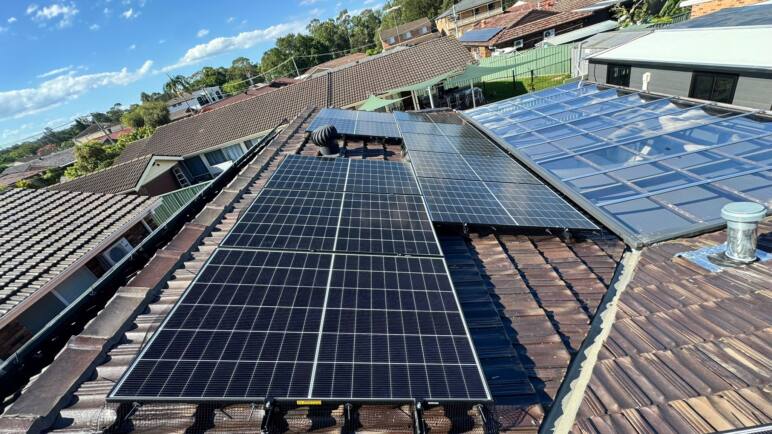
solar is a smart long-term investment for Australian homeowners, but the upfront cost can make the decision feel daunting. Residential solar financing gives homeowners another way to pay for a solar system, allowing the cost to be spread over time rather than paid entirely upfront.
However, choosing finance should involve more than looking at a low monthly repayment or an advertised interest-free offer. Interest rates, fees, loan terms, eligibility, government incentives and the expected savings from your solar system can all affect the overall value of the investment.
For Sydney homeowners considering solar, Charlie Sparks provides professional solar and electrical solutions tailored to your property and energy requirements. We can help you understand your solar options so you can make an informed decision about your installation.
Need a Reliable Electrician?
From electrical repairs to solar installations, our licensed team delivers safe, efficient, and high-quality solutions. Get in touch today for a free quote.
What Is Residential Solar Financing?
Residential solar financing allows you to borrow money or use a finance arrangement to pay for your solar system and, in some cases, a battery.
Instead of paying the entire installation cost upfront, you make repayments over an agreed period. Depending on the arrangement, financing may be provided by a bank, financial institution, solar retailer or specialist finance provider.
The Australian Government recognises several financing options for rooftop solar, including green loans, interest-free finance and solar leasing. The terms and eligibility requirements vary between providers.
Financing can make solar more accessible, but it does not automatically make a system cheaper. You need to consider the total cost of the system and the total cost of borrowing before committing.
Why Do Homeowners Finance Solar Panels?
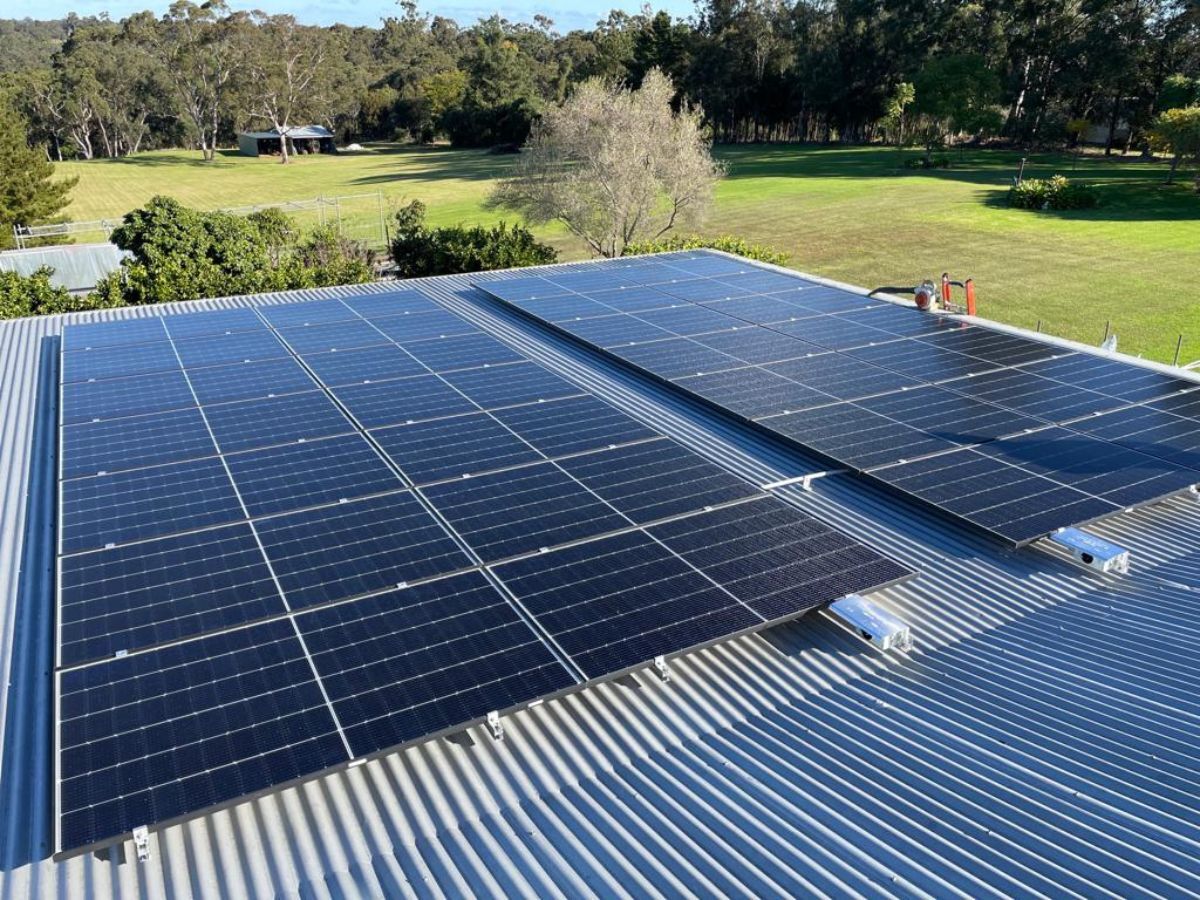
The most obvious reason is to avoid paying the entire solar installation cost upfront.
Instead, homeowners can spread the cost across regular repayments. This may allow you to install solar sooner while keeping more of your available savings accessible for other household expenses.
For some households, the electricity savings generated by solar may also help offset the finance repayments. However, this should never be assumed to mean that solar will automatically pay for itself.
Your actual savings depend on your solar generation, electricity consumption, electricity tariff, system size and how much of your solar electricity you use.
What Are the Main Types of Solar Financing?
There is no single financing option that suits every homeowner. Some of the common options include the following.
Green Loans
A green loan is designed specifically for environmentally friendly home improvements, which can include eligible rooftop solar systems.
Green loans may offer lower interest rates than some standard personal loans, although eligibility requirements can be stricter. You should compare the interest rate, fees, loan term and other conditions before deciding.
Personal Loans
A personal loan can be used to fund a range of larger purchases, including home improvements.
You borrow an agreed amount and repay it over a set period, usually with interest. The rate and fees vary between lenders, so comparing different loan products is important.
Moneysmart recommends checking what you can afford to repay and comparing loans before committing.
Interest-Free Finance
Some solar retailers or finance providers offer interest-free arrangements.
While this can sound attractive, interest-free does not necessarily mean cost-free. There may be establishment, account-keeping, administration or other fees. The system or installation may also have different pricing under a finance arrangement.
Always look at the total amount you will repay rather than focusing only on the interest rate.
Solar Leasing
With solar leasing, a provider may arrange the installation of a solar system and you repay the cost through regular instalments.
The ownership structure, contract period and responsibilities can vary. Some solar leases may run for several years before ownership transfers, so the contract terms need to be carefully understood.
What Should You Check Before Financing Solar?
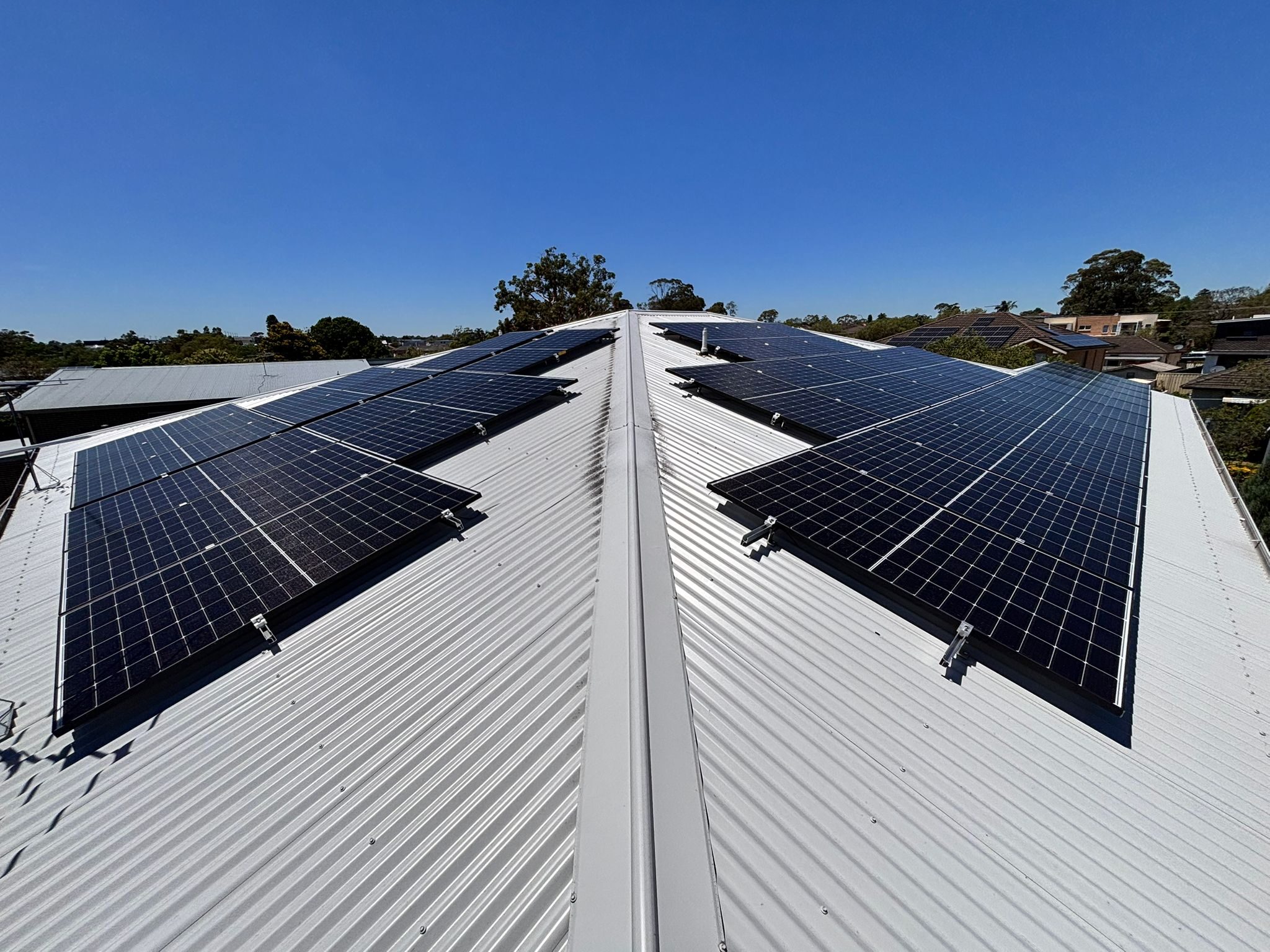
A finance agreement is a financial commitment, so don’t rush into one because an installer is offering a convenient repayment option.
Before signing, look at:
- Interest rate: Is the rate fixed or variable? What happens if the rate changes?
- Loan term: How many months or years will you be making repayments?
- Fees: Are there establishment, account-keeping, administration or other charges?
- Total repayment amount: How much will you pay in total by the end of the agreement?
- Early repayment: Can you pay the loan off sooner, and are there any additional charges?
- Late payments: What happens if you miss a repayment?
- Security: Does the lender require your property or another asset as security?
- Contract terms: Are there conditions attached to the solar installation, warranty or finance arrangement?
Moneysmart advises borrowers to understand interest, fees and repayment obligations before taking on credit and to ensure repayments fit comfortably within their budget.
Don't Judge Solar Finance by the Monthly Repayment Alone
A low monthly repayment can make a solar system appear affordable, but it does not tell you what the system will ultimately cost.
For example, imagine two finance options for the same solar installation. One has a higher monthly repayment but a shorter term and fewer fees. Another has a lower monthly repayment but extends for several additional years.
The second option may appear easier to manage each month, but you could pay more overall.
This is why total repayment cost matters more than the monthly figure alone.
Before agreeing to finance, calculate how much you will repay across the entire term, including interest and applicable fees.
Does Solar Financing Make Financial Sense?
It can, but it depends on the numbers.
A solar system can reduce the amount of electricity you purchase from the grid, which may reduce your household electricity costs. If you finance the installation, those savings may occur while you are still making repayments.
However, your solar savings and finance repayments are two separate calculations.
Consider:
- The total cost of the solar system
- Your finance interest rate
- Loan fees
- Repayment period
- Expected solar generation
- Current electricity usage
- Electricity tariff
- How much solar energy you use directly
- Potential feed-in tariff income
- Future electricity prices
- Maintenance or replacement costs
The Australian Government’s Solar Consumer Guide recommends looking at the costs and savings associated with a solar system based on your individual circumstances rather than relying on generic claims.
Can Solar Savings Help Pay Off Your Finance?
Potentially, but don’t assume your electricity savings will perfectly match your repayments.
Solar savings depend on how much electricity your panels generate and how much of that electricity your household uses.
📖 People also read about:
For example, if you are home during the day and use appliances while your solar system is generating electricity, you may be able to use more solar energy directly.
If your household is mostly away during the day and uses most of its electricity at night, your solar self-consumption may be lower. A battery could potentially help shift some solar energy into the evening, but it also adds to the upfront investment.
Using solar electricity yourself can generally provide greater value than exporting it to the grid, depending on your circumstances.
What Are Solar Rebates and Incentives?
Government incentives can reduce the upfront cost of an eligible solar installation.
The Small-scale Renewable Energy Scheme (SRES) provides support for eligible small-scale solar installations through small-scale technology certificates (STCs). For eligible systems, the value of the STCs is generally reflected as an upfront discount arranged by the solar retailer or installer.
There may also be state, territory or local government programs that provide rebates or loan options for eligible households.
Because eligibility and program rules can change, check the current government requirements before making financial decisions.
What About Solar Battery Financing?
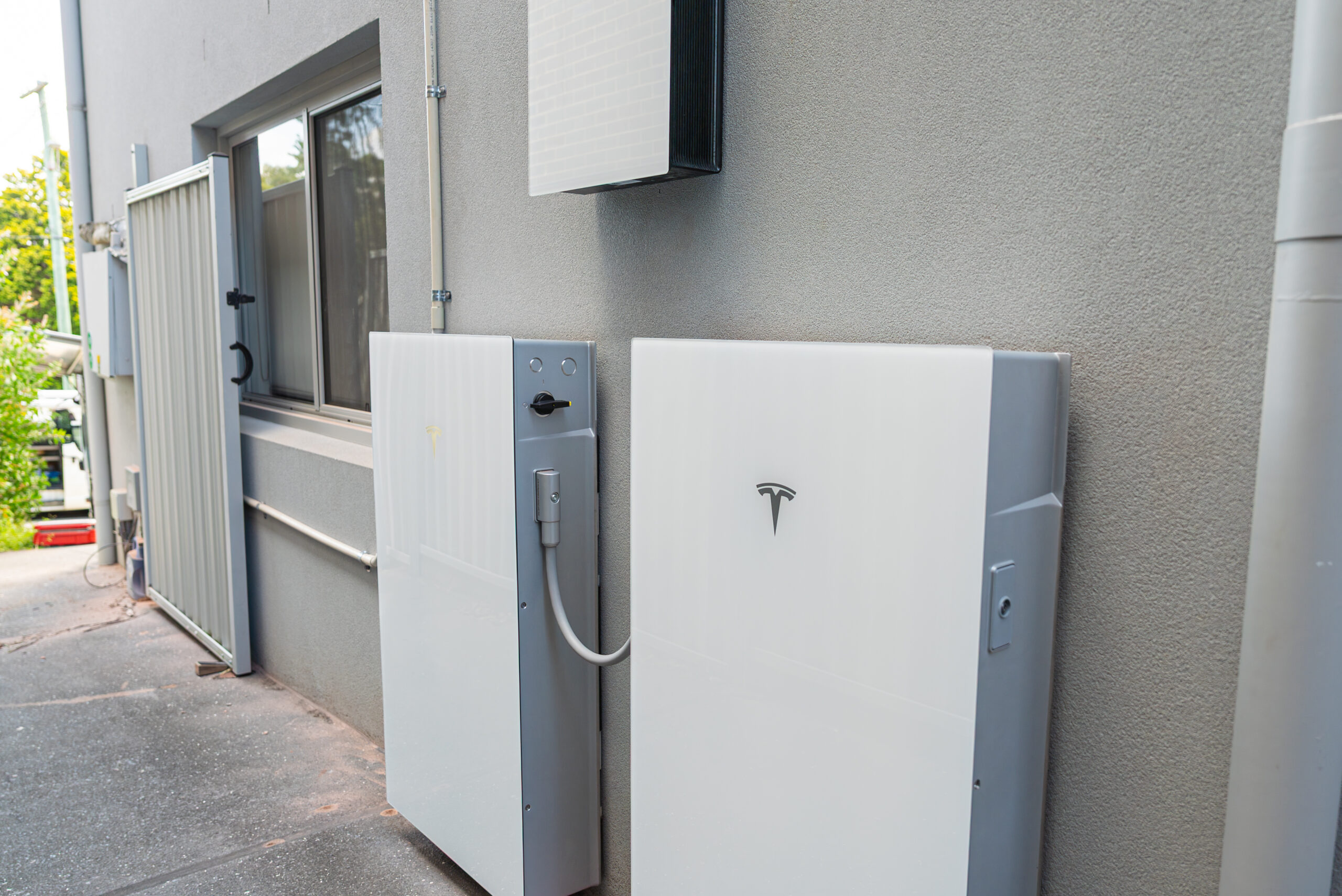
If you are considering a battery alongside your solar panels, your financing requirements may be different.
Since 1 July 2025, the Australian Government’s Cheaper Home Batteries Program has provided a discount of around 30% on the upfront cost of eligible small-scale batteries under the scheme’s requirements.
This can affect the amount you need to finance, but you should still check your eligibility and the current program conditions before signing a contract.
Should You Finance Solar Panels and a Battery Together?
That depends on your energy needs and budget.
Installing solar and a battery together may provide a more comprehensive energy solution, but it also increases the upfront system cost.
A battery can store excess solar energy generated during the day for later use, potentially increasing your solar self-consumption. However, not every household needs a battery immediately.
📖 People also read about:
A sensible approach is to consider your current electricity consumption first and determine whether battery storage is financially and practically appropriate.
If your budget is limited, you may also consider installing solar first and assessing battery storage later, provided the system is designed with future upgrades in mind.
What Happens If You Sell Your Home?
This is an important question to ask before financing solar.
If you sell your property before your finance agreement is fully repaid, you need to understand what happens to the remaining balance.
Depending on the type of finance, you may need to pay out the remaining loan before settlement, or there may be other arrangements available.
If you are considering a solar lease or another arrangement where ownership is structured differently, carefully check what happens when the property is sold.
Don’t assume that the finance automatically transfers to the buyer.
Does Solar Finance Affect Your Credit Score?
Applying for credit can affect your credit history, depending on the type of finance and lender.
Moneysmart notes that lenders consider your credit score when assessing applications and that making multiple loan applications can affect your credit score.
This is another reason to compare finance options carefully before submitting multiple applications. Focus on finding a suitable loan rather than applying for every offer you see.
What About "No Interest" or "Interest-Free" Solar Finance?
Interest-free finance can be useful in some circumstances, but homeowners should look beyond the headline.
An interest-free arrangement may still involve:
- Establishment fees
- Account-keeping fees
- Administration fees
- Payment processing fees
- Late payment fees
- Different product or installation pricing
Some arrangements can also charge interest if the balance is not repaid within the promotional period. Moneysmart specifically warns that interest-free deals are not necessarily cost-free.
Before signing, ask for the total amount payable and confirm exactly when the interest-free period ends.
How Can You Compare Solar Finance Offers?
Instead of comparing offers based on one number, create a simple side-by-side comparison.
| Factor | What to Check |
|---|---|
| System price | What is the total solar installation cost? |
| Upfront payment | How much do you need to pay initially? |
| Interest rate | Is it fixed or variable? |
| Fees | What additional charges apply? |
| Loan term | How long will you repay the finance? |
| Monthly repayment | Can it comfortably fit your budget? |
| Total repayment | What will you pay altogether? |
| Early repayment | Can you pay it off sooner without penalties? |
| Solar savings | What are realistic expected savings? |
| Battery | Is storage included or optional? |
| Warranty | What product and work warranties apply? |
The best finance option is not necessarily the one with the lowest monthly payment. It is the one that makes sense for your overall budget and circumstances.
How Does the Solar System Itself Affect Your Finances?
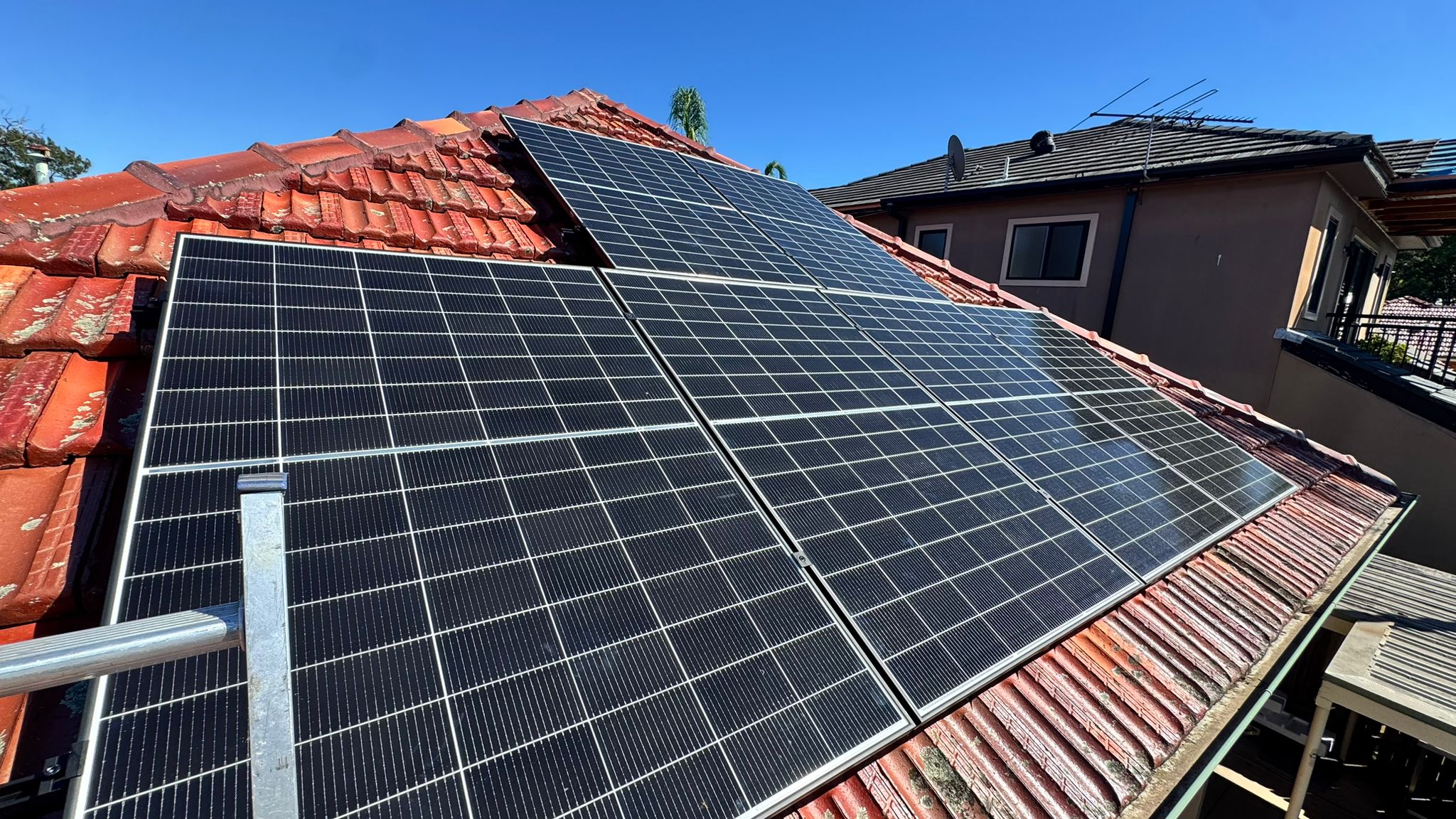
Finance is only one part of the equation. A cheaper solar system is not necessarily better value if it produces less energy, uses unsuitable equipment or is poorly designed for your home.
Your system should be appropriately sized for factors such as:
- Your household electricity consumption
- Roof orientation
- Available roof space
- Shading
- Solar generation potential
- Inverter capacity
- Future electricity requirements
- Potential battery integration
This is where professional solar system design matters.
💡 Need help?
We offer professional solar installation sydney to help you achieve your goals.
At Charlie Sparks, we assess your property and energy requirements to help you choose a solar solution that is practical for your home rather than simply focusing on the largest system available.
Choose Your Solar Installer Carefully
Financing may determine how you pay for your solar system, but the installer determines how that system is designed and installed.
Before choosing an installer, look at their experience, qualifications, product selection, workmanship, warranties and after-sales support.
For eligible rooftop solar systems, SRES requires installation by a Solar Accreditation Australia-accredited installer, along with eligible panels and inverters meeting the relevant requirements.
You should also make sure your quote clearly outlines what is included, such as equipment, installation, electrical work, monitoring and any other applicable costs.
Is Residential Solar Financing Right for You?
Solar financing can make a solar installation more accessible by spreading the upfront cost over time. But borrowing money for solar is still a financial commitment.
Before choosing finance, understand the total cost of the system, compare loan options, check government incentives and make sure the repayments fit your budget.
Most importantly, choose your solar system based on your property’s energy requirements rather than selecting a system simply because its finance repayment looks affordable.
For Sydney homeowners considering solar, Charlie Sparks can help you understand the installation side of the investment, from system design and product selection through to professional installation.
Power Your Home with Confidence
Whether it’s a small repair or a complete electrical upgrade, Charlie Sparks is ready to help with prompt, professional service you can trust.
Frequently Asked Questions
Can I finance a solar panel installation?
Yes. Australian homeowners may have access to several financing options, including green loans, personal loans, interest-free finance and certain government loan schemes. Eligibility, rates, fees and terms vary between providers.
Is it better to pay for solar upfront or finance it?
There is no universal answer. Paying upfront avoids loan interest and fees, while financing allows you to spread the cost over time. Compare the total cost of borrowing with your available savings and realistic solar savings before deciding.
Are solar finance offers really interest-free?
Some finance arrangements are interest-free for a specified period, but they may still include fees or other costs. Some offers can also charge interest if the balance is not cleared within the interest-free period. Always check the full terms and total amount payable.
Can I finance solar and a battery together?
Depending on the finance provider, you may be able to finance both a solar PV system and battery. Government assistance may also reduce the upfront cost of eligible systems. Check the current eligibility requirements before making a decision.
Considering solar for your Sydney home? Speak with our professional team at Charlie Sparks for professional solar installation and practical advice tailored to your property and energy needs.