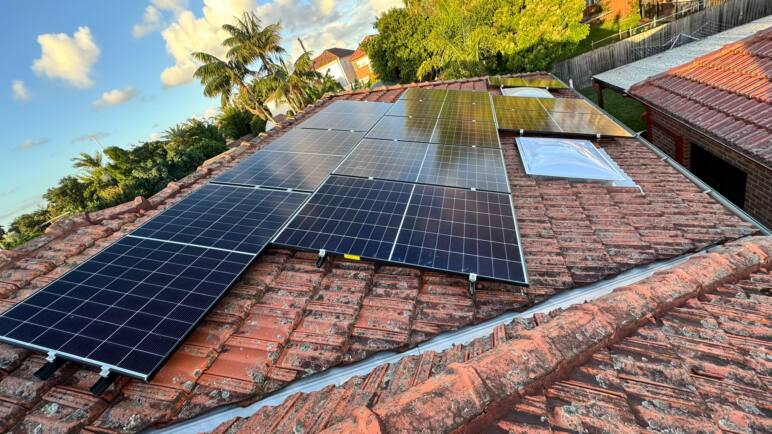
If you have solar panels installed on your Sydney home, you may have heard warnings about recalled solar isolator switches. Certain DC isolators used in Australian solar PV systems have been subject to recalls and safety warnings because faults can cause overheating, arcing, fire or, in some circumstances, electric shock.
While some of the major recalls date back several years, affected switches can still be present in older solar installations. This makes it important for homeowners to understand what a solar isolator switch does, how recalled products can be identified and what to do if you suspect your system is affected.
For Sydney homeowners who are unsure about the condition of their solar system, Charlie Sparks provides professional solar and electrical services, including solar isolator switch inspection, maintenance and replacement.
Need a Reliable Electrician?
From electrical repairs to solar installations, our licensed team delivers safe, efficient, and high-quality solutions. Get in touch today for a free quote.
What Is a Solar Isolator Switch?
A DC isolator switch is a safety device used in a solar PV system to disconnect the direct current generated by the solar panels from the rest of the system.
Solar panels can continue producing electricity whenever they are exposed to sunlight. An isolator provides a way for the relevant part of the solar system to be disconnected during maintenance, repairs or other electrical work.
Depending on the system design, you may find isolators near the solar panels, near the inverter or in other designated locations. Some solar systems have more than one isolator.
The switch is therefore an important part of a solar installation, but it is also an electrical component that needs to be appropriately selected, installed and maintained.
Why Have Solar Isolator Switches Been Recalled?
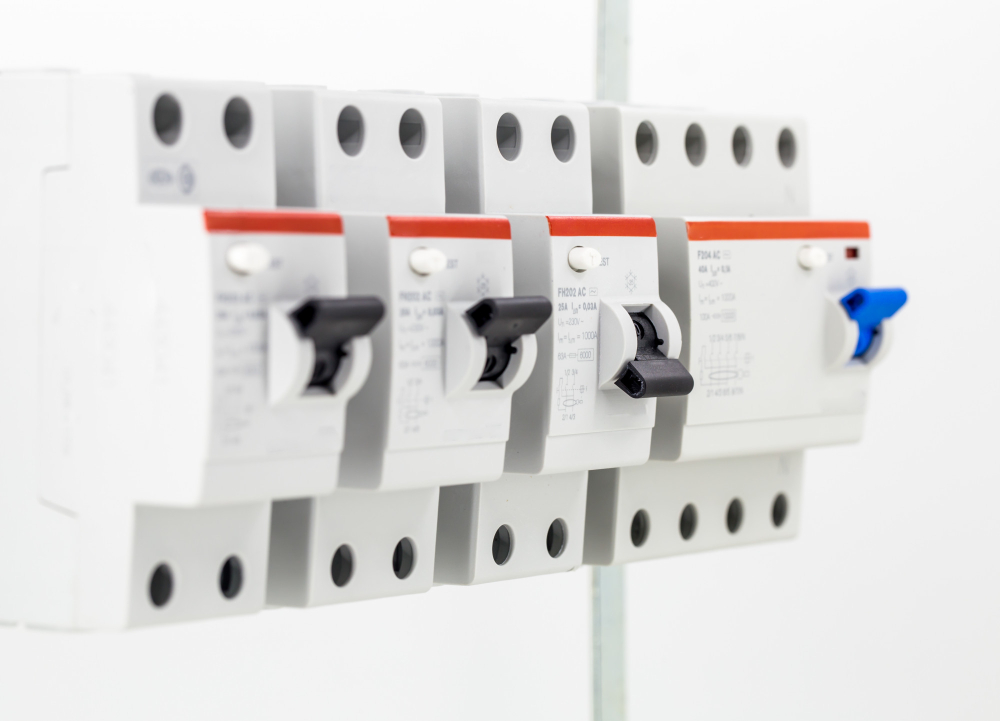
Several types and brands of DC isolator switches used in Australian solar installations have been subject to recalls or safety warnings.
The issue differs between products, but some recalled isolators have been found to have faults that can cause excessive internal heating. In the case of certain Avanco models, for example, high temperatures could cause internal components to deteriorate, creating a risk of arcing and potentially fire.
Other recalled DC isolators have had internal faults that could cause excessive heat and potentially result in fire.
The important point for homeowners is that a solar isolator may look fine externally while still requiring professional inspection. You should not assume that a switch is safe simply because there are no obvious signs of damage.
Which Solar Isolator Switches Have Been Recalled?
There have been several recalls and warnings involving different DC isolator products over the years.
Some of the products referred to in Australian safety notices include:
- Avanco DC solar isolators
- PVPower DC isolators
- Salzer enclosed DC isolators
- NHP DC solar isolators
- Certain Gen3/SPM isolators
- Certain ISO MAX isolators
The exact affected products are identified by specific brands, model numbers and other product details. Charlie Sparks also lists several of these recalled products in its solar isolator information.
For example, the ACCC‘s recall information for Avanco identifies affected model numbers including AV/DC4P25A and AV/DC4P25AUT, among others.
Because recalls can apply to particular models rather than an entire brand, don’t assume that every isolator carrying a particular brand name is recalled. Check the exact product details against the relevant recall notice or have a licensed electrician inspect it.
How Do You Know If Your Solar Isolator Has Been Recalled?
The first step is to identify the brand and model information on your solar isolator or system documentation.
You may be able to find identifying information on the switch itself, your original solar installation paperwork, product manuals or invoices.
However, do not climb onto your roof simply to inspect an isolator. Some recalled switches are located near rooftop solar panels, and accessing roof-mounted electrical equipment can introduce unnecessary safety risks.
If you cannot safely identify your isolator from ground level or through your documentation, contact a licensed electrician or solar professional.
Australian safety guidance has specifically advised homeowners not to access their roofs to check these switches and instead seek assistance if they are unsure.
Where Is a Solar Isolator Switch Located?
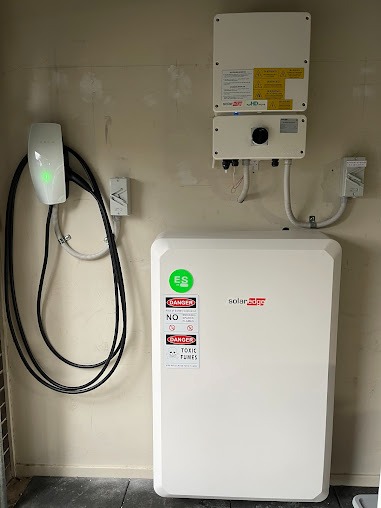
The location varies depending on the design and installation of your solar system.
You may find a DC isolator:
- Near the solar panels
- Near the inverter
- Around the switchboard area
- At other designated points within the solar installation
Some systems have more than one isolator. This means checking only one visible switch may not be enough to establish whether your entire solar system is unaffected.
If you’re unsure which components are DC isolators, don’t operate switches simply to determine their purpose. Our professionals at Charlie Sparks help identify the components safely.
What Should You Do If You Have a Recalled Solar Isolator?
If you believe your solar system contains a recalled isolator, don’t attempt to remove, repair or replace it yourself.
The appropriate response depends on the specific recall and the manufacturer’s or regulator’s instructions.
📖 People also read about:
For some recalled products, official safety guidance has instructed owners to shut down the PV system using the prescribed shutdown procedure and arrange for a qualified electrician to inspect and replace the affected isolator.
The exact shutdown process can vary, so follow the instructions applicable to your particular system and recall notice.
If you are unsure how to safely shut down your system, contact a licensed electrician or your solar installer rather than experimenting with switches.
Don't Operate a Recalled DC Isolator Unnecessarily
This is particularly important.
A recalled isolator should not be treated like an ordinary light switch that you can repeatedly turn on and off to see whether it works. If a product has been recalled because of an internal electrical fault, operating it unnecessarily may create additional risk.
Australian safety information for certain recalled isolators has specifically instructed owners to follow the relevant shutdown procedure and arrange professional replacement.
If you notice burn marks, melted plastic, unusual heat, smoke, a burning smell or visible damage, treat the situation seriously and seek professional electrical assistance.
Do not touch damaged electrical components.
Can a Faulty Solar Isolator Cause a Fire?
Yes, certain defective DC isolators have been associated with fire risks.
For example, Australian consumer safety information states that recalled Avanco isolators could develop high temperatures internally, potentially leading to arcing and catastrophic failure resulting in fire.
The ACCC has also previously reported that affected Avanco isolators had been associated with fires across Australia.
📖 People also read about:
This is why solar system owners should take recall notices seriously, even if their system appears to be operating normally.
What Are the Warning Signs of a Faulty Isolator?
A faulty isolator may not always show obvious signs, but some warning signs can include:
- Burning or unusual electrical smells
- Scorching or discolouration
- Melted or distorted plastic
- Signs of overheating
- Crackling or unusual electrical sounds
- Visible damage to the enclosure
- Unexpected solar system shutdowns
- An isolator that appears damaged or deteriorated
These symptoms should not be ignored.
However, the absence of warning signs does not guarantee that an isolator is safe. Some recalled products need to be identified by their model and product details rather than by visible damage.
Should You Replace an Old Solar Isolator?
Not every older isolator is automatically defective or subject to recall.
However, if your solar system is several years old, it can be worthwhile having the installation professionally inspected, particularly if you don’t know which components were installed.
A solar inspection can help identify issues such as:
- Recalled components
- Damaged isolators
- Water or moisture ingress
- Deteriorated electrical components
- Loose connections
- Inverter issues
- Wiring concerns
- Other visible solar system faults
Regular professional maintenance can help identify problems before they become more serious.
Do Solar Systems Need Regular Inspections?
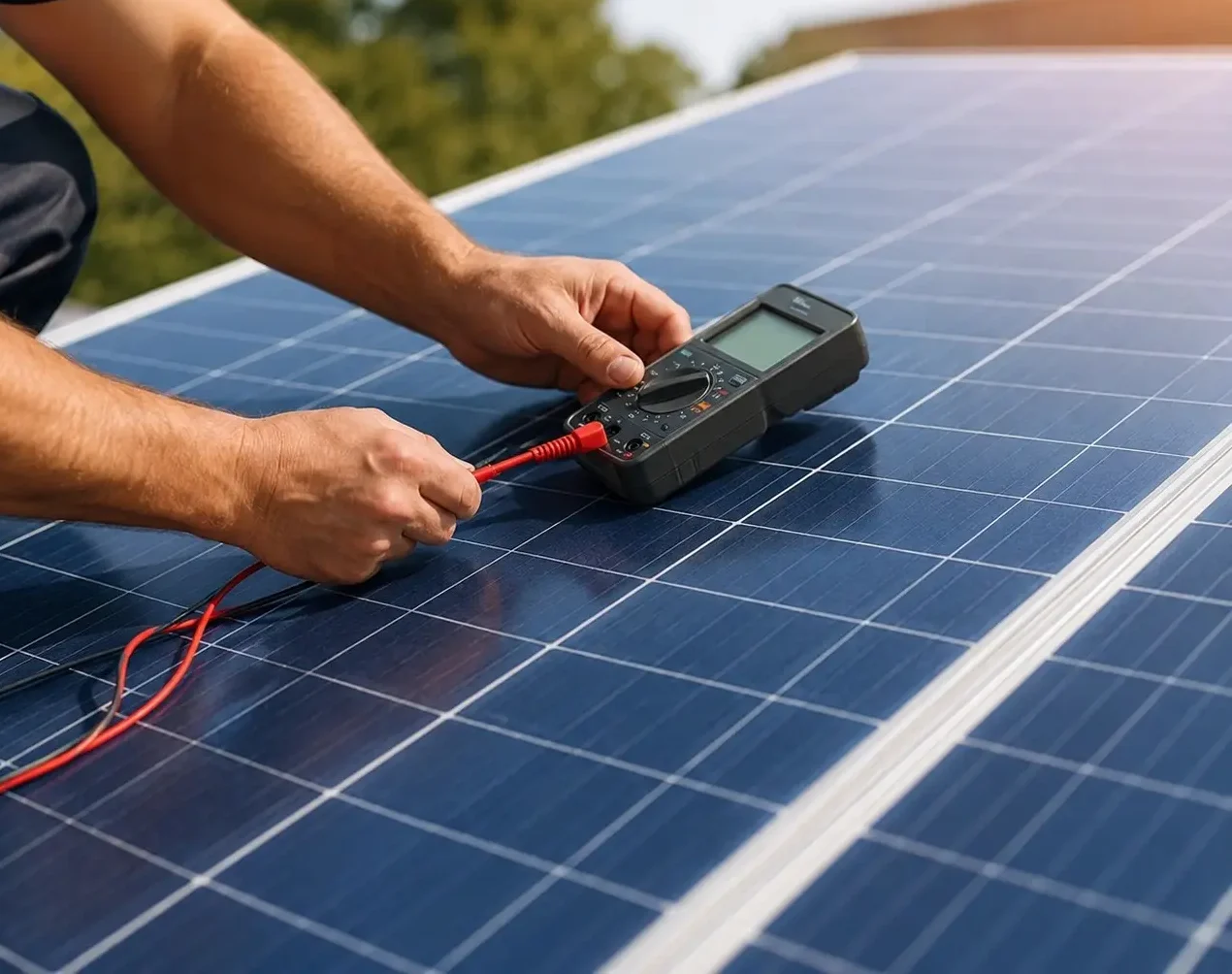
A solar PV system is exposed to outdoor conditions for years, so its components can experience environmental and operational wear.
Regular professional inspections can help identify damage, deterioration and potentially unsafe components. They can also provide an opportunity to check whether recalled products are present.
For homeowners who purchased a property with an existing solar system, an inspection can be particularly useful if you don’t have the original installation paperwork or don’t know the system’s history.
You don’t need to wait for an obvious problem before getting your solar system checked.
What If You Bought a Home With an Existing Solar System?
If you’ve recently purchased a property with rooftop solar, don’t assume the installation is automatically safe simply because it was already in place when you moved in.
Find out:
- When the solar system was installed.
- Who installed it, if the information is available.
- What panels and inverter were used.
- Whether you have the original installation documentation.
- Whether the system has been professionally inspected or maintained.
- Whether any components have been recalled.
If you cannot establish the condition or history of the system, a professional inspection can give you greater clarity.
Why You Should Use a Licensed Electrician
Solar systems involve both electrical and DC components, and repairs or component replacement should be handled by appropriately qualified professionals.
💡 Need help?
We offer professional solar installation sydney to help you achieve your goals.
Trying to replace a solar isolator yourself can expose you to electrical hazards and may also result in an incorrectly installed component.
A licensed electrician can identify the equipment, assess the condition of the installation, determine whether a recalled component is present and carry out appropriate replacement or repair work.
At Charlie Sparks, our qualified electricians and solar professionals provide solar and electrical services across Sydney. The company focuses on safe, quality workmanship and ongoing support to help solar systems operate safely and efficiently.
What Should You Do If You're Unsure About Your Solar Isolator?
If you don’t know what type of isolator is installed on your solar system, don’t guess! You can start by checking your solar paperwork, inverter documentation or installation records. If you still cannot establish whether your isolator is affected, arrange a professional inspection.
Most importantly, don’t climb onto your roof to investigate a potentially faulty electrical component yourself. Official safety guidance recommends seeking professional assistance when you cannot safely identify or assess the equipment.
Protect Your Home With Professional Solar Maintenance
Solar panels can provide years of useful electricity, but the system needs more than panels and an inverter to operate safely. Components such as DC isolators are an important part of the overall installation and should not be overlooked.
Although several major solar isolator recalls were issued years ago, affected products may still exist in older systems. Checking your equipment and responding promptly to any applicable recall can help reduce potential safety risks.
If you’re unsure whether your Sydney home’s solar system contains a recalled isolator, Charlie Sparks can help with professional solar inspection, maintenance, repair and isolator replacement.
Power Your Home with Confidence
Whether it’s a small repair or a complete electrical upgrade, Charlie Sparks is ready to help with prompt, professional service you can trust.
Frequently Asked Questions
How do I know if my solar isolator switch has been recalled?
Check the brand, model number and other identifying information against the relevant Australian recall notice. If you cannot safely identify the switch, contact a licensed electrician or solar professional rather than accessing your roof yourself.
Can I replace a recalled solar isolator myself?
No. Solar DC isolators are part of an electrical system and should be inspected and replaced by an appropriately licensed electrician. Do not attempt to dismantle or repair a recalled isolator yourself.
What should I do if my solar isolator looks burnt or damaged?
Do not touch or operate a visibly damaged electrical component. Follow the applicable system shutdown or recall instructions and contact a licensed electrician for professional assistance. If there is smoke, fire or an immediate danger, move away from the area and contact the appropriate emergency service.
Think your solar system may have a recalled or faulty isolator switch? Contact Charlie Sparks for professional solar inspection, maintenance and electrical assistance across Sydney.