
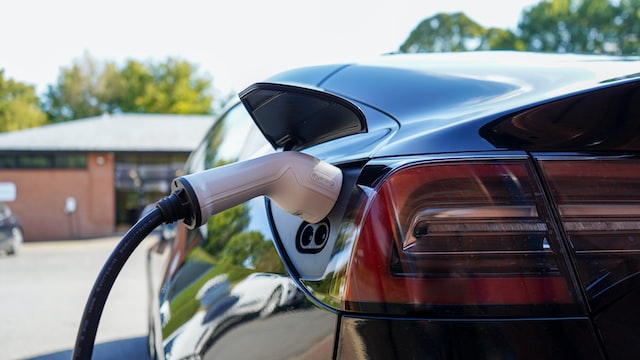
As electric vehicles become more common across sydney, more homeowners are looking for convenient ways to charge at home. While plugging into a standard power point can work for some drivers, a dedicated home EV charger can offer a more practical solution for regular charging.
But which home EV charger do most electricians in Sydney recommend? The answer is: there is no single charger that is right for every home or every EV owner. The most suitable option depends on your vehicle, driving habits, home’s electrical capacity, available parking and whether you have solar.
Rather than choosing a charger simply because it is popular, it is better to select one that matches your home’s electrical system and your everyday charging requirements.
Charlie Sparks provides professional electrical solutions with a focus on safe, quality work and practical installations tailored to individual properties.
Need a Reliable Electrician?
From electrical repairs to solar installations, our licensed team delivers safe, efficient, and high-quality solutions. Get in touch today for a free quote.
What Is a Home EV Charger?
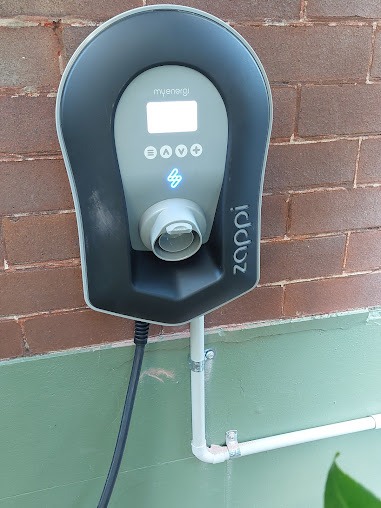
A home EV charger supplies electricity to your electric vehicle so you can recharge it at home. There are different charging options, ranging from a standard power point through to a dedicated wall-mounted charger.
NSW Government guidance broadly identifies Level 1 charging through a standard or smart power point and Level 2 charging through a dedicated home wallbox as options for residential charging.
For homeowners who regularly charge an EV at home, a dedicated wallbox can be worth considering because it is designed specifically for EV charging and can provide faster charging than a standard household outlet.
Do Electricians Recommend One Specific EV Charger?
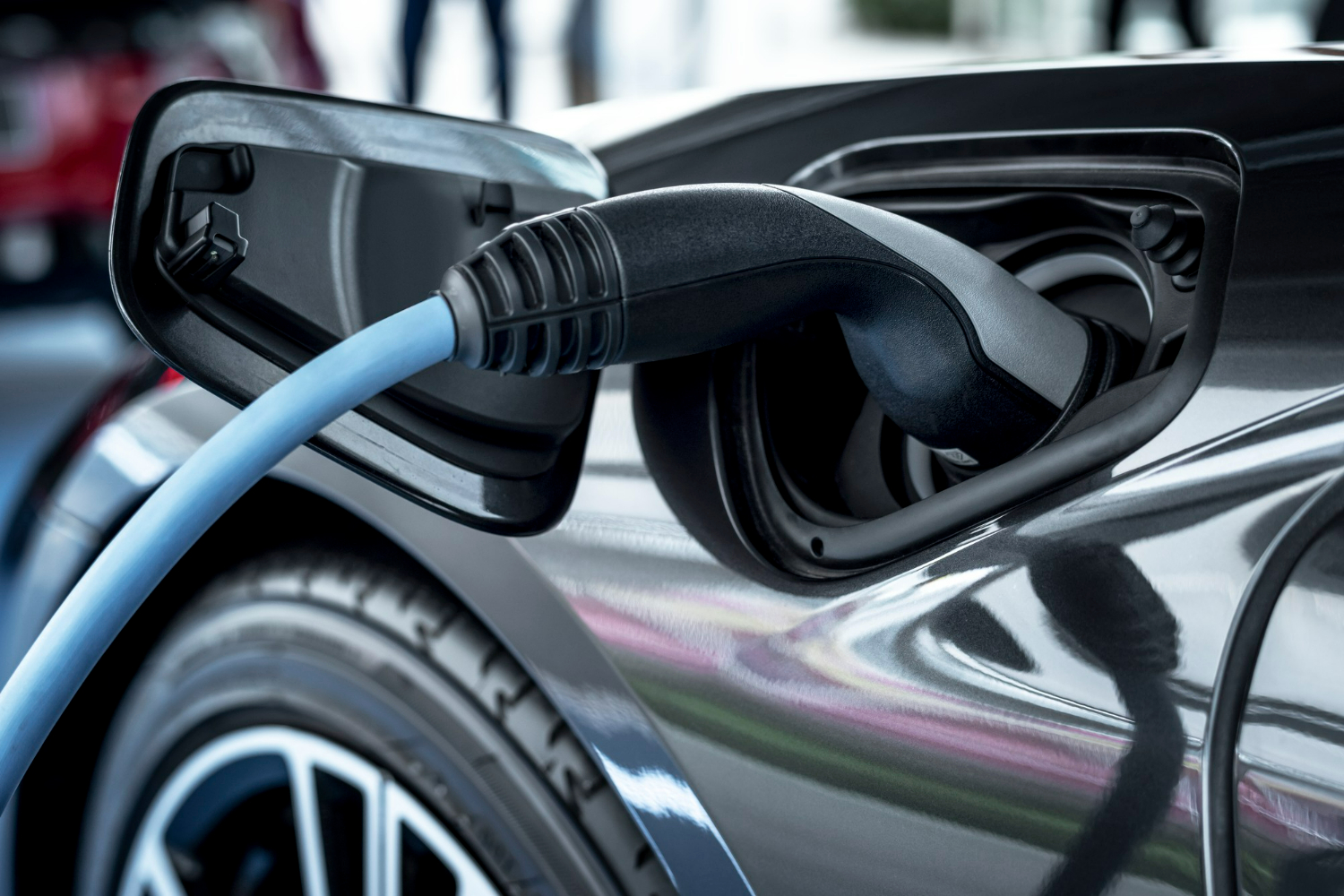
Not necessarily.
A reputable electrician should consider your vehicle, electrical supply, charging requirements and property before recommending equipment. A charger that works well for one may not be the best option for another.
For example, an apartment owner with limited electrical capacity may have different requirements from a homeowner with a three-phase supply, solar panels and multiple EVs.
Instead of asking, “What is the best EV charger?”, a more useful question is:
“What type of EV charger is best suited to my home and how do I use my vehicle?”
That approach helps you avoid paying for features or charging capacity you may never use.
What Do Electricians Look at Before Recommending an EV Charger?
Your EV's Charging Requirements
The first consideration is your vehicle.
Different EVs have different onboard charging capabilities, so installing a charger with a higher maximum output does not necessarily mean your vehicle will charge at that rate.
Your electrician can consider the vehicle’s charging requirements alongside the electrical capacity available at your property.
Your Home's Electrical Supply
Your home’s electrical infrastructure is equally important.
A dedicated EV charger can add a substantial electrical load to a property, particularly if you select a higher-powered system.
Your electrician may assess your:
- Switchboard
- Existing circuits
- Available electrical capacity
- Single-phase or three-phase supply
- Other high-load appliances
- Solar and battery systems
- Proposed charger output
In some cases, upgrading the switchboard or electricity supply may be necessary.
NSW Government guidance specifically notes that increasing the amount of power a home can use at once, such as when adding an EV charger, may require assistance from an Accredited Service Provider depending on the work involved.
Is a Level 2 EV Charger Better for a Sydney Home?
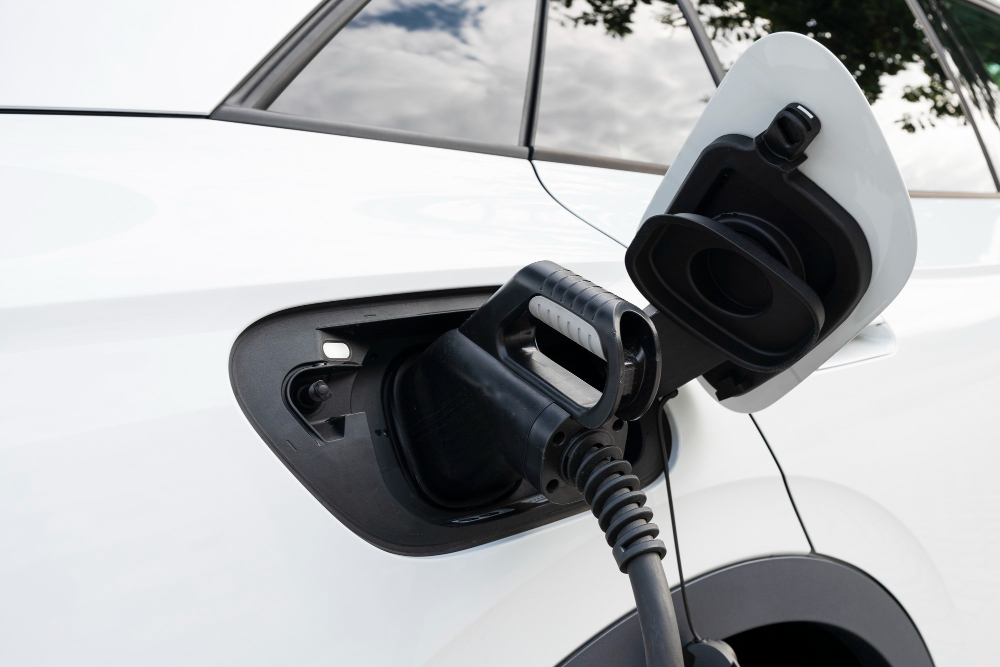
For homeowners who want a dedicated charging setup, a Level 2 wallbox can be a practical choice.
Unlike a standard power point, a wallbox is installed as a dedicated EV charging system. It can provide faster charging and may offer features such as scheduled charging, energy monitoring and smart controls, depending on the model.
However, faster isn’t automatically better.
If your vehicle is parked overnight for many hours and your daily driving distance is relatively low, a slower charging solution may already meet your needs. On the other hand, households that drive frequently may benefit from the additional charging speed of a dedicated wallbox.
NSW Government guidance recommends getting quotes from licensed electricians with EV charger experience when choosing and installing a home charger.
Should You Choose a Smart EV Charger?
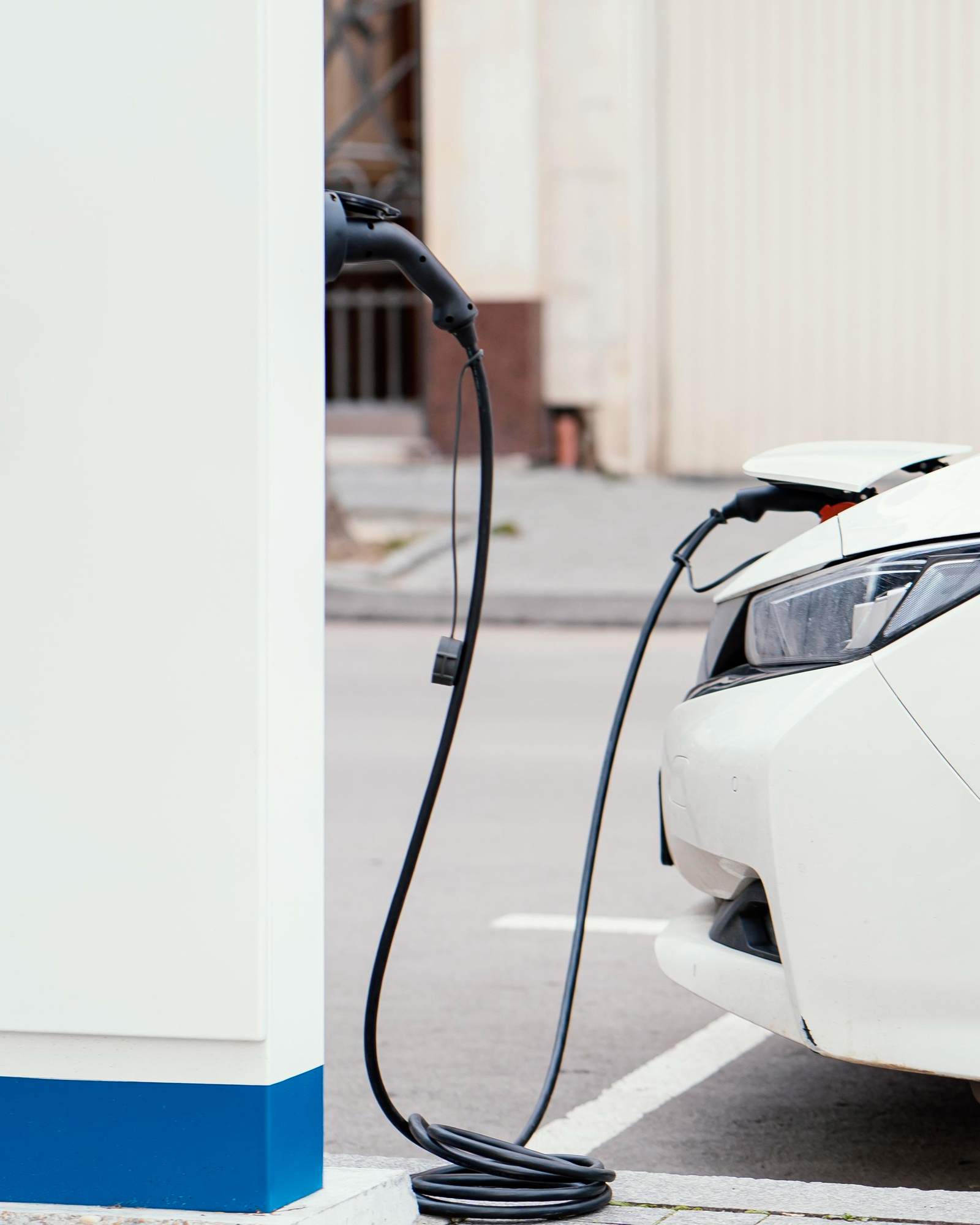
Smart charging can be particularly useful for homeowners who want more control over when their vehicle charges.
Depending on the equipment, smart functionality may allow you to:
- Schedule charging
- Monitor energy consumption
- Control charging through an app
- Take advantage of cheaper electricity periods
- Coordinate charging with solar generation
This can be useful if you want to charge overnight during a cheaper electricity period or during the day when your solar panels are generating electricity.
📖 People also read about:
However, smart features should be considered according to how you actually use your EV. There is little benefit in paying extra for features you are unlikely to use.
What If You Have Solar Panels?
If your home already has solar, your EV charger can become another way to make use of the electricity your system generates.
Charging during daylight hours can allow you to use some of your solar electricity directly rather than exporting it to the grid. NSW Government guidance specifically recommends charging during the day if you have solar and want to use your own generated energy.
Some smart chargers can also be configured to work with solar generation, depending on the equipment and system design.
If you are planning solar and an EV charger at the same time, tell your electrician. Designing both together can make it easier to consider your property’s overall electrical capacity and future energy requirements.
Do You Need a Three-Phase Supply for an EV Charger?
Not necessarily.
A three-phase supply can support higher electrical loads, but many homes can use a suitable EV charger with a single-phase supply.
Whether you need or would benefit from three-phase charging depends on your vehicle, charger, household electrical capacity and charging requirements.
Upgrading your home’s electrical supply purely to achieve a higher charging rate may not always be necessary. A professional assessment can determine whether your existing supply is sufficient or whether an upgrade is worth considering.
What Features Should You Look for in a Home EV Charger?
Once your electrical requirements have been established, you can compare charger features.
Charging Speed
Consider how much driving you do and how long your EV typically sits at home. You may not need the highest available charging speed.
Smart Charging
If you want scheduled charging, energy monitoring or solar integration, smart functionality may be worthwhile.
App Connectivity
Some chargers allow you to monitor or manage charging through a mobile application. This can be convenient if you want to track energy use remotely.
Solar Compatibility
For solar homeowners, consider whether the charger can integrate appropriately with your existing or planned solar system.
Safety and Compliance
This should always be a priority. NSW Government guidance states that home EV chargers should have the Regulatory Compliance Mark (RCM).
For your safety and efficiency, the charger should also be installed correctly by a licensed electrician.
Can You Install an EV Charger Yourself?
A fixed home EV charger should not be treated as a DIY electrical project!
In NSW, electrical wiring work must be carried out by a licensed electrician, regardless of the cost or whether the property is residential, commercial or industrial.
A professional installation can involve assessing the switchboard, selecting appropriate protection, determining cable requirements and ensuring the installation complies with applicable electrical requirements.
📖 People also read about:
Following electrical work, NSW electricians are required to provide a Certificate of Compliance for Electrical Work (CCEW). The certificate confirms that the work has been tested and complies with relevant requirements.
What If Your Switchboard Is Old?
An EV charger can be an excellent reason to have an older switchboard assessed.
If your switchboard was installed when household electricity demand was significantly lower, it may not have been designed with EV charging, solar batteries, induction cooking and other modern electrical loads in mind.
Your electrician may recommend a switchboard upgrade if the existing installation does not have the required capacity or protection.
That does not mean every EV charger installation requires a switchboard replacement. The condition and capacity of your existing system should be assessed first.
What About EV Chargers for Apartments?
Apartment owners have additional considerations.
If you live in a strata property, installing a dedicated charger may involve more than choosing equipment and hiring an electrician. NSW Government guidance states that strata approval is required for a Level 2 wallbox installation in an apartment.
There may also be considerations around:
- Shared electrical infrastructure
- Parking spaces
- Metering
- Cable routes
- Owners corporation approval
- Load management
- Building access
If you live in an apartment, check the relevant strata requirements before arranging installation.
How Can You Choose the Right EV Charger?
Before making a decision, consider these questions:
- How often do you drive? Daily drivers may benefit more from dedicated, faster charging.
- How long is your vehicle parked at home? If it is parked overnight for long periods, you may not need maximum charging speed.
- Do you have solar? Solar-compatible smart charging may help you make better use of your generated electricity.
- What electrical supply does your home have? Your available capacity can influence the charger you can install.
- Do you live in a strata property? You may need approval before installing a wallbox.
- Do you want smart features? Decide whether app controls, scheduling and energy monitoring are genuinely useful for your household.
- What does the installation involve? A professional assessment can identify whether additional electrical work is needed.
So, Which Home EV Charger Do Most Electricians in Sydney Recommend?
There isn’t a single charger that Sydney electricians can universally recommend for every homeowner.
💡 Need help?
We offer professional commercial ev charger installation sydney to help you achieve your goals.
In many cases, a dedicated Level 2 wallbox is a sensible option for regular home charging, particularly for homeowners who want faster and more convenient charging than a standard power point can provide. But the right output, features and configuration will depend on the vehicle and property.
The best recommendation is one based on safety, compatibility, charging needs, electrical capacity and future requirements, rather than simply choosing the most powerful or most feature-rich charger available.
Our professional and experienced team at Charlie Sparks assess your home’s electrical setup and charging requirements before recommending an appropriate EV charging solution. Our focus is on practical, safe and high-quality electrical work designed around your property.
Make Home EV Charging Work for Your Home
A home EV charger can make owning an electric vehicle significantly more convenient, but choosing the right equipment is only one part of the process.
The ideal setup should work with your vehicle, electrical system, lifestyle and future energy plans. If you have solar, a battery or plans to add other high-demand appliances, these should also be considered before installation.
Rather than choosing a charger based on popularity alone, speak with an experienced electrician who can assess your property and recommend an appropriate solution.
Thinking about installing an EV charger at your Sydney home? Contact Charlie Sparks for professional electrical advice and EV charger installation tailored to your property’s requirements.
Power Your Home with Confidence
Whether it’s a small repair or a complete electrical upgrade, Charlie Sparks is ready to help with prompt, professional service you can trust.
Frequently Asked Questions
What type of EV charger is best for home use?
For many regular EV drivers, a dedicated Level 2 wallbox can offer a convenient and faster home charging solution. However, the appropriate charger depends on your EV, electrical supply, daily driving and charging habits.
Do I need a dedicated circuit for an EV charger?
The installation requirements depend on the charger and property. A licensed electrician should assess your electrical system and determine the appropriate circuit, protection and connection requirements.
Can I charge my EV using solar power?
Yes. If you have rooftop solar, charging your EV during the day can allow you to use your own solar-generated electricity. Some smart charging systems can also provide additional control over when charging occurs.
Do I need to upgrade my switchboard before installing an EV charger?
Not necessarily. However, your electrician should assess the switchboard and available electrical capacity. Depending on your home’s existing supply and the charger selected, additional electrical work or a supply upgrade may be required.