
Choosing a light bulb might seem like a simple trip to the hardware store, but with different brightness levels, colour temperatures, fittings and energy-efficient options available, it is easy to choose the wrong one. The right bulb can make a room feel warmer, brighter, more comfortable and easier to use.
Whether you are replacing an old bulb, refreshing your home’s lighting or planning a larger electrical upgrade, understanding what to look for can help you make a better choice.
For Sydney homeowners, Charlie Sparks provides professional electrical services with a focus on safety, top-quality work and practical solutions for modern homes. Our accredited solar specialists and licensed electricians bring the same attention to detail to electrical work, whether it is a small lighting requirement or a larger project.
Need a Reliable Electrician?
From electrical repairs to solar installations, our licensed team delivers safe, efficient, and high-quality solutions. Get in touch today for a free quote.
What Should You Consider When Choosing a Light Bulb?
Before choosing a bulb, consider more than its wattage. Four key factors are brightness, colour temperature, fitting and energy efficiency.
Brightness
Brightness is measured in lumens (lm). The higher the number of lumens, the more light the bulb produces.
This is important because watts measure how much electricity a bulb consumes, rather than how much light it produces. When comparing modern LED bulbs with older halogen or incandescent bulbs, it is therefore better to compare lumens rather than simply looking for the same wattage.
A bedroom reading lamp, kitchen work area and hallway do not necessarily need the same amount of light. Think about what you will be doing in the space before choosing the brightness.
Colour Temperature
Colour temperature is measured in Kelvin (K) and affects whether light appears warm and yellow or cool and white.
Warm white lighting around 2700K creates a softer, more relaxed atmosphere and is commonly suited to living rooms and bedrooms. Around 4000K produces a whiter light that can work well where concentration and visibility are important, including kitchens, studies and garages. Higher colour temperatures can appear cooler and more blue-toned.
There is no single colour temperature that is perfect for every room. The best choice depends on how you use the space and the atmosphere you want to create.
Fitting and Cap Type
A bulb also needs to physically fit your existing light fitting.
Common Australian household fittings include B22 bayonet caps, E27 Edison screw fittings and GU10 or MR16 fittings. Check the existing bulb or fitting before buying a replacement, rather than assuming all bulbs are interchangeable.
Energy Efficiency
LEDs are generally the most energy-efficient option for everyday household lighting. Australia’s Energy Rating guidance states that LED lamps are the most efficient lighting technology and can use substantially less electricity than halogen lighting.
If you are replacing multiple older bulbs throughout your home, switching to suitable LED lighting can be a practical way to reduce lighting energy consumption while maintaining the brightness you need.
What Light Bulbs Are Best for the Living Room?
Your living room usually needs flexible lighting rather than one extremely bright source.
For general ambient lighting, a warm white LED can create a comfortable atmosphere that works well for relaxing, entertaining and watching television. If you have floor lamps, table lamps or feature lighting, you can use these to create additional layers of light.
A dimmable LED can provide greater flexibility, but the bulb and dimmer must be compatible. Not every LED is designed to work with every dimmer, so check the manufacturer’s specifications before installation.
For living areas, consider:
- Warm white colour temperatures around 2700K3000K
- Comfortable ambient brightness
- Dimmable options where appropriate
- Lamps or feature lights for additional task or accent lighting
What Light Bulbs Are Best for the Kitchen?
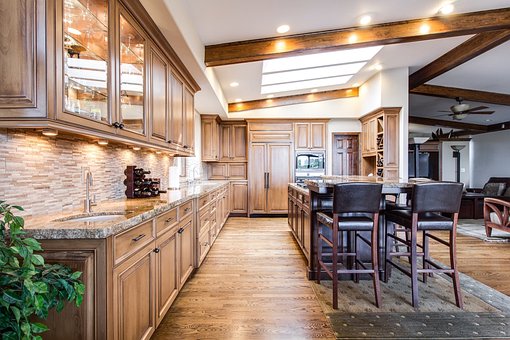
The kitchen is one of the most important areas to get lighting right because you need good visibility for food preparation, cooking, cleaning and other tasks.
A neutral or cool white light can be useful where you need to see detail clearly. Around 4000K is identified by Australia’s Energy Rating guidance as suitable for areas such as kitchens, studies, garages and workshops where concentration or detail is important.
Think about both general lighting and task lighting. A ceiling light may illuminate most of the room, while additional lighting over a bench or preparation area can help reduce shadows where you work.
What Light Bulbs Are Best for the Bedroom?
Bedrooms generally benefit from softer, warmer lighting.
📖 People also read about:
A warm white LED around 2700K-3000K can create a more relaxed environment than a very cool, blue-toned light. Australia’s Energy Rating guidance specifically identifies warm white lighting around 2700K as suitable for living rooms and bedrooms.
Bedside lamps can provide more localised light for reading without requiring the entire room to be brightly illuminated.
If you prefer adjustable lighting, consider a compatible dimmable LED or suitable smart lighting solution.
What Light Bulbs Are Best for the Bathroom?
Bathrooms need lighting that provides good visibility, particularly around mirrors and grooming areas.
A neutral white light can be useful for tasks where you need to see detail accurately. Consider lighting around the mirror as well as general ceiling lighting to minimise shadows across your face.
The bathroom is also an area where the light fitting itself matters. Electrical equipment installed in areas exposed to moisture needs to be appropriately selected and installed for its location. If you are changing the fitting, adding new lighting or modifying electrical wiring, it is best to have the work assessed and completed by a licensed electrician.
What Light Bulbs Are Best for the Home Office or Study?
Your home office needs lighting that supports concentration without creating unnecessary glare.
A neutral white LED can provide a clearer, more focused feel than very warm lighting. Around 4000K can be suitable for work areas where visibility and detail matter.
However, brightness is just as important as colour temperature. Position your lighting carefully to avoid reflections on computer screens, and consider a desk lamp for focused tasks.
What Light Bulbs Are Best for Hallways and Entryways?
Hallways generally do not require the same brightness as kitchens or work areas.
A comfortable warm or neutral white LED can provide sufficient illumination without making the space feel overly bright. If the hallway is narrow or receives little natural light, you may need more than one light source to prevent dark patches.
📖 People also read about:
Motion sensors or smart lighting can also be useful in areas such as hallways, particularly when you want lights to operate only when someone is present.
What Light Bulbs Are Best for the Garage or Laundry?
Garages, laundries and utility spaces are primarily functional areas, so visibility should be the priority.
A neutral or cooler white light can help you see tools, storage areas, appliances and work surfaces clearly. Around 4000K is commonly suited to spaces where detail and concentration are important.
For a garage or workshop, consider the overall coverage of the fitting rather than focusing only on the bulb. A high-output bulb will not necessarily solve poor lighting if the fitting is positioned badly or shadows are created by shelving and equipment.
Should You Choose Warm White, Cool White or Daylight?
The easiest way to decide is to consider the purpose of the room.
| Colour temperature | General appearance | Suitable areas |
|---|---|---|
| Around 2700K | Warm and soft | Bedrooms, living rooms |
| Around 3000K | Warm but clearer | Living areas, bedrooms, general home lighting |
| Around 4000K | Neutral/cool white | Kitchens, studies, laundries, garages |
| Higher temperatures | Cooler and more blue-toned | Specialist or detailed applications |
These are general guidelines rather than strict rules. Australia’s Energy Rating guidance notes that colour temperature ranges can vary between products and that different colour temperatures suit different applications.
Don't Forget About Lumens!
If you are replacing an older halogen or incandescent bulb, it can be tempting to buy a new LED based on wattage alone.
Instead, compare lumens.
For example, two LED bulbs can use different amounts of electricity while producing a similar amount of light. Lumens tell you about light output, while watts tell you about power consumption.
This distinction becomes particularly useful when upgrading older lighting throughout your home.
Are LED Bulbs a Good Choice for Australian Homes?
For most everyday residential lighting applications, LEDs are an efficient option. Australia’s Energy Rating guidance identifies LED lamps as the most efficient of the common lighting technologies and notes that they generally last longer than older halogen and incandescent options.
💡 Need help?
We offer professional solar installation sydney to help you achieve your goals.
Australia is also phasing out inefficient lighting products, with mains-voltage halogen and tungsten lamps being phased out from October 2025.
If you are still using older lighting throughout your home, it may be worth considering an LED upgrade rather than replacing individual bulbs as they fail.
When Should You Call an Electrician?
Replacing a compatible household bulb is generally straightforward, but not every lighting problem is a bulb problem.
If a light fitting is damaged, repeatedly trips the circuit, flickers despite having a suitable bulb, produces unusual smells or shows signs of overheating, don’t simply keep replacing bulbs. These symptoms can indicate an electrical issue that needs professional attention.
You should also consider working with a licensed electrician if you want to:
- Install new light fittings
- Add additional lights
- Move existing lights
- Install or modify switches
- Replace or alter wiring
- Install dimmers or other lighting controls
- Upgrade bathroom or outdoor lighting
- Investigate persistent flickering or electrical faults
At Charlie Sparks, our team provides professional electrical services for Sydney homes and businesses, with a team of licensed electricians focused on safe, reliable and quality work, prioritising your safety and comfort.
The Right Bulb Depends on the Room
There is no single best light bulb for every area of your home. A warm, comfortable light may be ideal for your bedroom, while your kitchen or study may benefit from brighter, more neutral lighting.
When choosing a bulb, consider lumens for brightness, Kelvin for colour temperature, the correct fitting for compatibility and energy efficiency for ongoing use. Getting these basics right can make your home’s lighting more practical and comfortable.
If changing a bulb isn’t enough and you need new light fittings, additional lighting or professional electrical work, Charlie Sparks can help. Our Sydney team delivers electrical solutions with a focus on safety, quality and work that lasts.
Power Your Home with Confidence
Whether it’s a small repair or a complete electrical upgrade, Charlie Sparks is ready to help with prompt, professional service you can trust.
Frequently Asked Questions
What colour light is best for a home?
It depends on the room and how you use it. Warm white lighting around 2700K is generally suited to relaxing areas such as bedrooms and living rooms, while around 4000K can work well in task-focused areas such as kitchens, studies and garages.
Are LED bulbs better than halogen bulbs?
LED bulbs are generally more energy efficient than halogen bulbs and can last considerably longer. Australia’s Energy Rating guidance identifies LEDs as the most efficient common lighting technology.
How do I know what brightness light bulb to buy?
Look at the lumens (lm) rather than relying on wattage. Lumens indicate the amount of light produced, while watts indicate electricity consumption. Choose the brightness based on the room’s size, purpose and existing lighting.
Looking to improve the lighting in your Sydney home? Contact Charlie Sparks for professional electrical services and practical lighting solutions tailored to your property.