
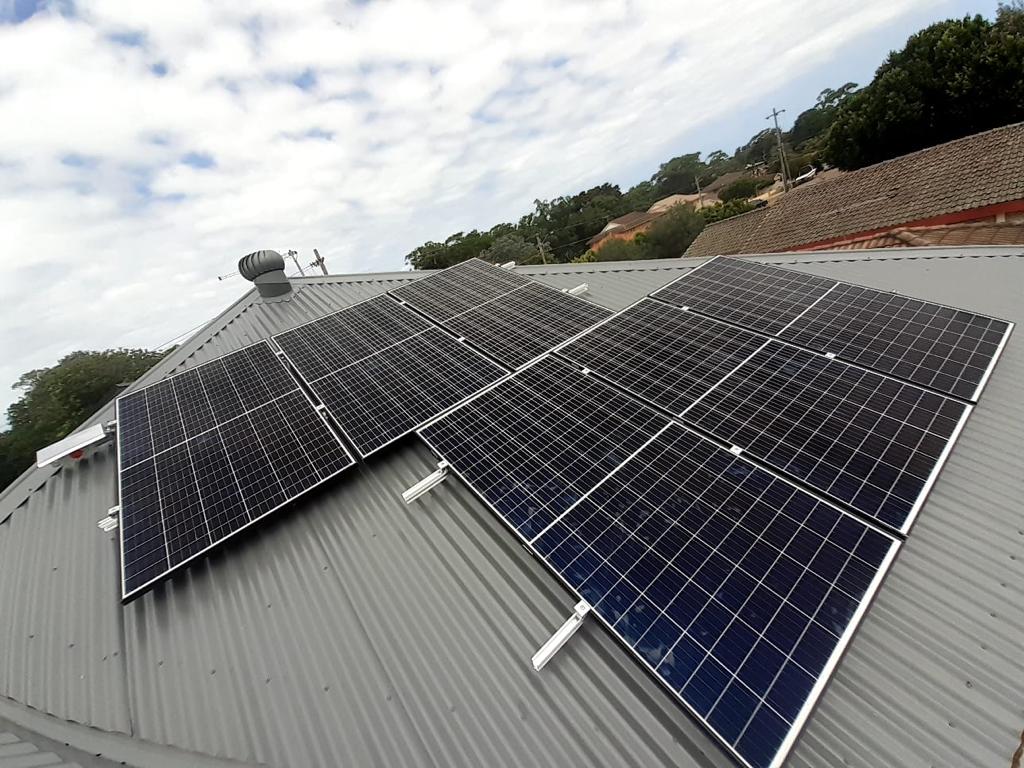
From the street, a rooftop solar power system looks simple: a few panels sitting neatly on the roof. Behind that tidy appearance is a set of parts that have to work together to turn sunlight into power you can use. Knowing what each part does makes it easier to compare quotes, ask the right questions and plan a system that suits your home or business.
At Charlie Sparks, our licensed electricians and SAA accredited solar installers fit these systems across sydney every week. Here are the parts of the rooftop solar power system that matter most, and the job each one performs.
Need a Reliable Electrician?
From electrical repairs to solar installations, our licensed team delivers safe, efficient, and high-quality solutions. Get in touch today for a free quote.
Solar Panels
The panels are the part most people picture first. Mounted on the roof, these photovoltaic (PV) modules capture sunlight and convert it into direct current (DC) electricity. Panels come in monocrystalline and polycrystalline types, and the right choice depends on your roof space, budget and how much power you want to generate. A quality, well-matched panel set is the foundation of a system that performs for years, which is why professional solar installation starts with getting this part right.
Solar Inverter
The inverter is the part that makes your solar usable. Panels produce DC power, but your home runs on alternating current (AC). The inverter converts DC into AC so the energy can flow to your power points, lights and the grid.
There are two common approaches:
- String inverters, where panels connect to one central unit. These are cost effective and well suited to roofs with consistent sun.
- Microinverters, fitted to each panel. These handle shading and mixed roof angles better, since one shaded panel will not drag down the rest.
The inverter is the hardest-working part of the system, so sizing and brand choice have a big effect on long-term output.
Mounting And Racking
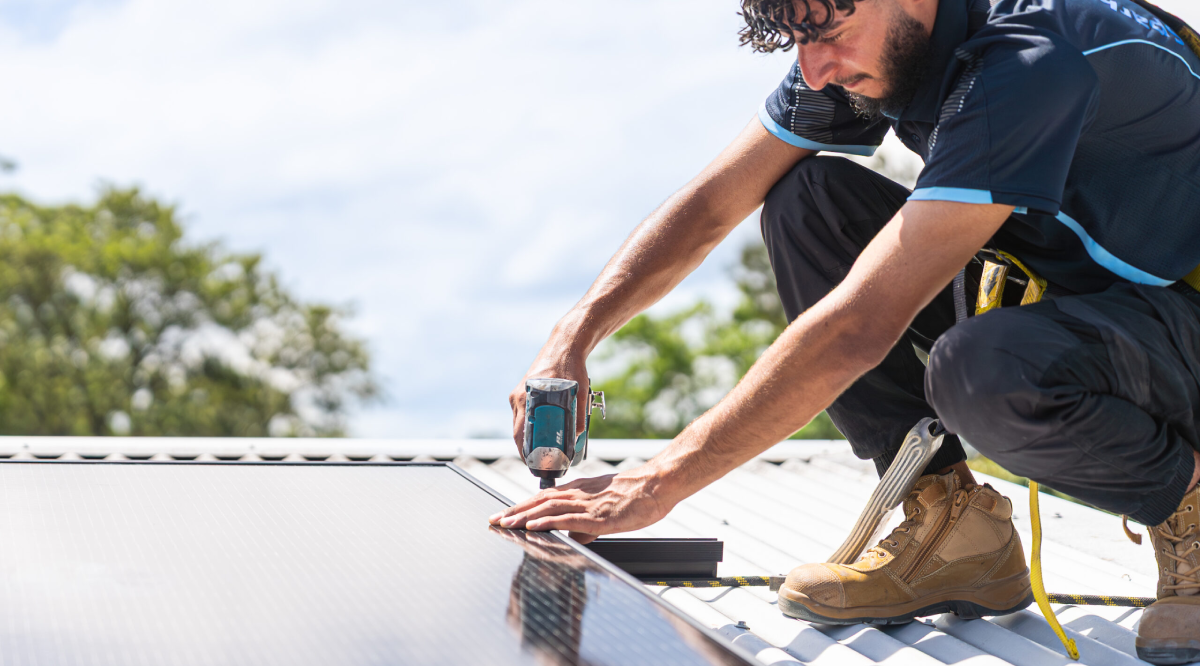
The mounting and racking system holds your panels firmly at the correct angle. It has to anchor securely to your roof, suit your roof material, and stand up to Sydney wind and weather over decades. Good racking also leaves an air gap under the panels, which helps them run cooler.
Solar Battery Storage
A solar battery is optional, but it changes how much value you get from your system. Without one, surplus power generated during the day feeds back to the grid. With a battery, that surplus is stored and used in the evening or during a blackout. For households that use most of their power after sunset, storage can make a real difference to running costs.
Metering And Grid Connection
A rooftop solar system stays connected to the grid through a bi-directional smart meter. This meter measures the power you draw from the grid and the surplus you export back, which is how feed-in credits are worked out on your bill.
Wiring, Isolators And Safety Switches
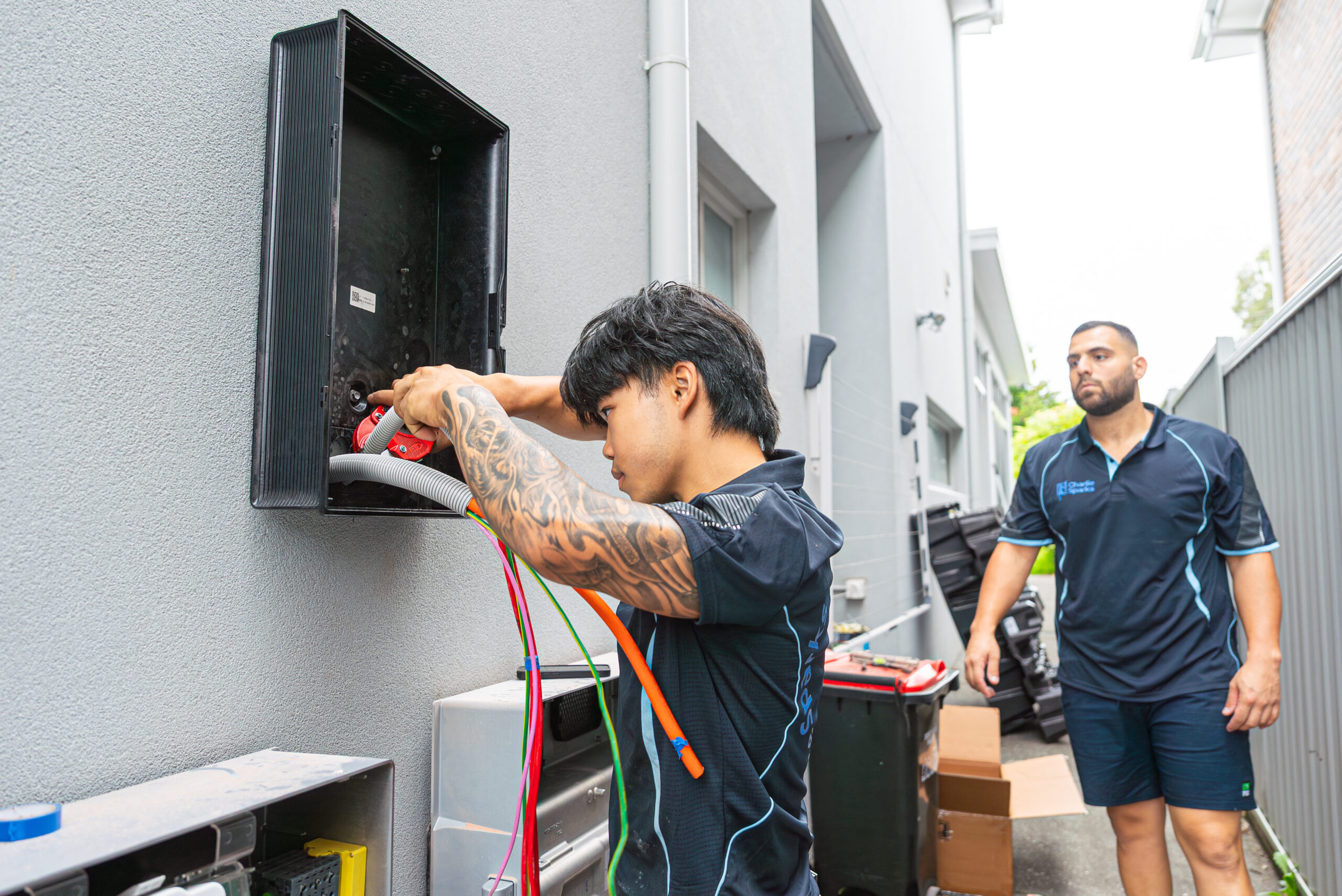
Tying everything together is the electrical side: the cabling, DC and AC isolators, and safety switches. This is the part homeowners rarely see, and it keeps the whole system safe and compliant. Isolators let the system be shut down for service, while safety switches protect against faults. Because this work carries real risk, it must be carried out by a licensed electrician. Our team handles this layer on every install so your system meets Australian standards from day one.
Monitoring
Most modern systems include a monitoring app or portal. It shows how much your panels are generating, how much you are using, and flags any drop in performance early, so your solar is something you can keep an eye on rather than a set-and-forget box on the roof.
When these parts are well matched and properly installed, a rooftop solar power system runs quietly and reliably for many years. The quality of the install matters just as much as the parts themselves.
Thinking about solar for your Sydney home or business? Get in touch with Charlie Sparks for honest advice and a system designed around the way you use power.
Power Your Home with Confidence
Whether it’s a small repair or a complete electrical upgrade, Charlie Sparks is ready to help with prompt, professional service you can trust.
Frequently Asked Questions
What is the most important part of a rooftop solar system?
Every part has a role, but the panels and inverter do the heavy lifting. The panels generate the power and the inverter makes it usable, so the quality of both has the biggest effect on performance.
Do I need a battery with my rooftop solar system?
No, a battery is optional. A system works without one by exporting surplus power to the grid. A battery is worth considering if you use most of your power in the evening or want backup during outages.
Can any electrician install a rooftop solar system?
Solar work should be carried out by a CEC or SAA accredited installer working alongside a licensed electrician, which keeps the install compliant, safe and eligible for available rebates.
How long do the parts of a solar system last?
Quality panels are built to perform for decades, while inverters usually have a shorter working life and may be replaced once during the life of the system.