The next three checks are about how the panels are put in, how they connect to the rest of the equipment and what you might add later.
Check three: the quality of the solar installation
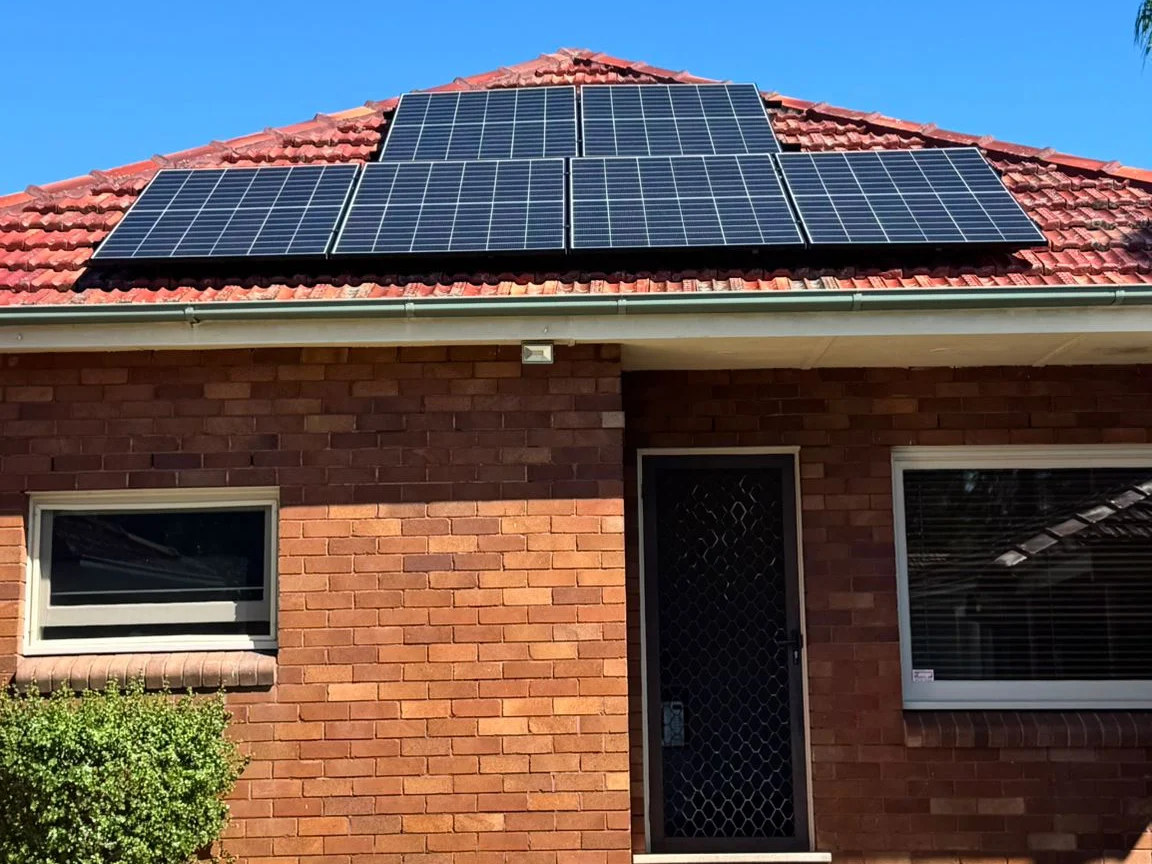
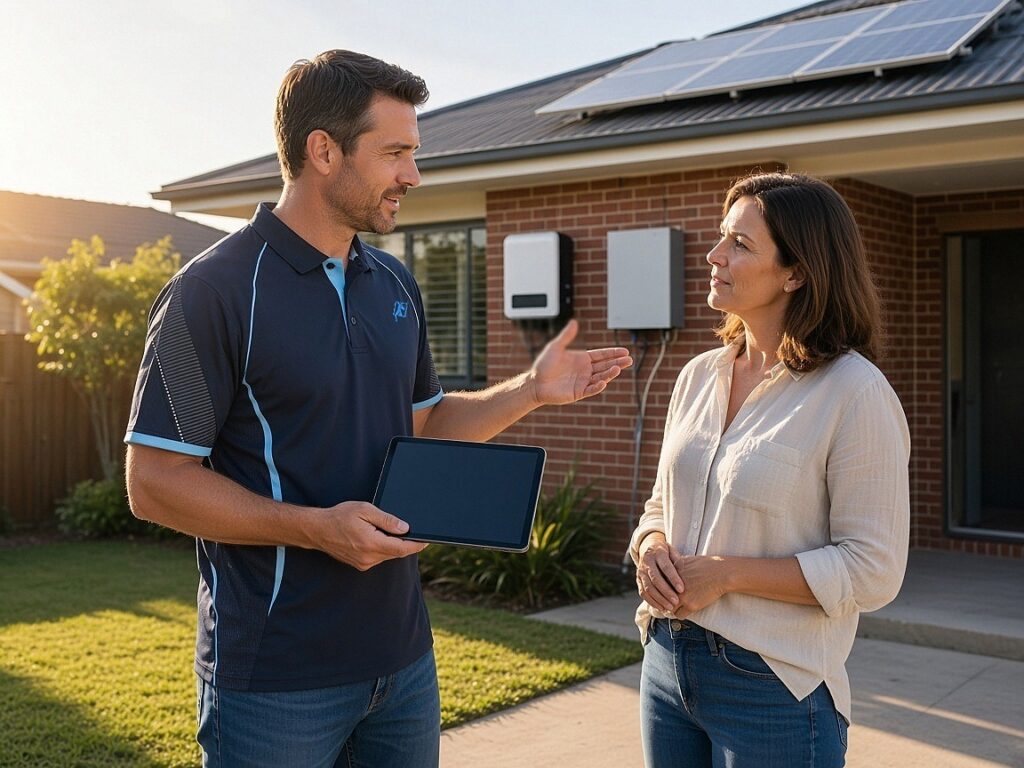
Even well made panels can disappoint if they are installed poorly. A careful solar installation includes a site assessment, a sensible panel layout, secure mounting, neat and protected cabling, and a clear handover that explains how to monitor the system. Ask how the installer plans the layout, how they deal with shade and how they protect the roof. Ask what support is offered after the job. For a step by step look at the process, read everything you need to know about solar panel installation. For questions to ask before you sign, read how to choose a solar installer.
Check four: matching the panels to the system
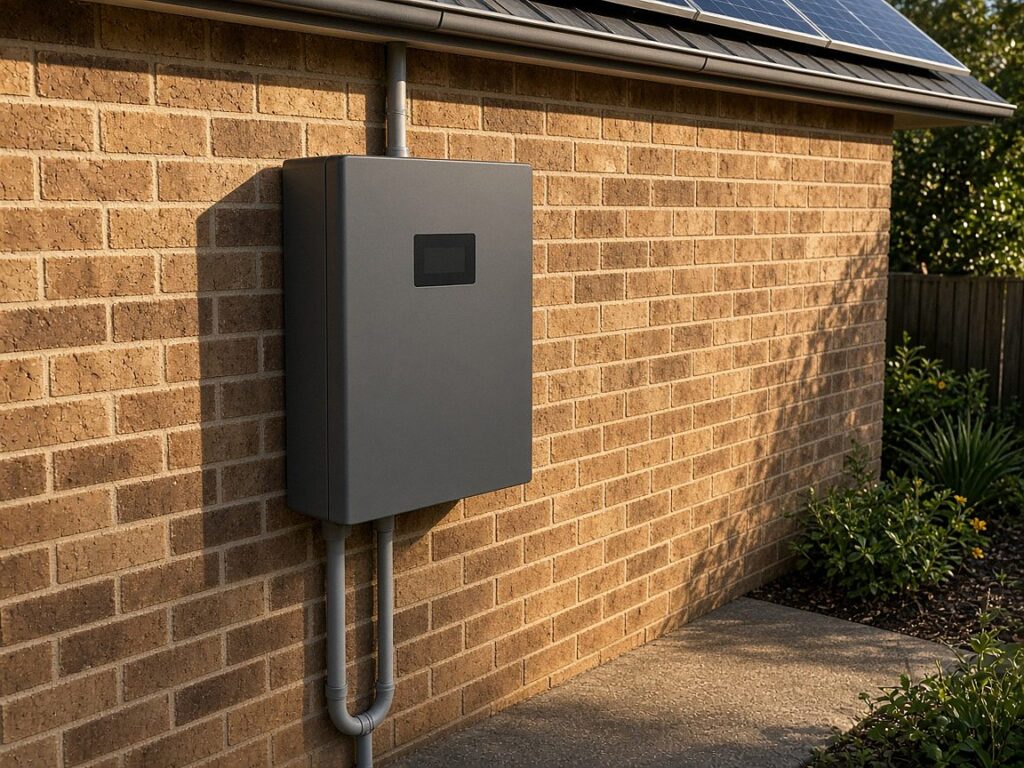
Panels are only one part of the system. The inverter converts the power from the panels into electricity the home can use, and it needs to suit the size and layout of the array. Cabling, isolators, the switchboard and the monitoring app all play a part too. When these parts are matched well, the system tends to run smoothly and is easier to expand later. When they are not, you may lose some of the power the panels could produce. The inverter usually includes a display or app that shows how the system is performing. Look at the display or app only, and please do not open the inverter, the isolators or the switchboard. For more, read the role of inverters in a home solar system.
Check five: a battery as a possible future plan
A battery is optional. It can store unused daytime solar power so the home can draw on it in the evening. Some households add one at the start, and others plan for one later. If a battery might be part of your future plans, mention it when you choose panels and an inverter, so the system can be set up to make adding storage simpler. A battery should be sized around how your household uses electricity, and backup during a blackout does not happen on its own. It depends on the design. For more, read solar panels with battery storage in Sydney.
Solar Investment and the Next Step
Once you have worked through the five checks, the last step is to understand what shapes the cost and to book a proper look at your home.
Cost factors for your solar investment
The cost of a solar investment depends on several things:
- The size of the system and the number of panels
- The type and condition of the roof
- The inverter and how it suits the array
- How easy it is to reach the roof and run the cabling
- If a battery is included now or planned for later
For more on how installation costs are worked out, read solar panel installation cost in Sydney. Your electrician will confirm the price for your job. Call us for a free quote.
A quick recap of the five checks
Before you buy, check the roof and the building, compare panel efficiency and the watt rating in general terms, ask how the installation will be done, make sure the panels match the rest of the system and decide if a battery belongs in the plan now or later. Working through these points with an electrician at a site check gives you a clearer picture than comparing panels on paper alone.
Frequently Asked Questions
What five things should I check before I buy solar panels?
Check the roof and the building, panel efficiency and the watt rating in general terms, how the installation will be done, how the panels match the rest of the system, and if a battery is part of the plan.
Does panel efficiency decide the right panel on its own?
No. Efficiency is one check. The roof, the watt rating, the inverter and how the house uses power also matter.
Do I need a battery when I buy new panels?
Not necessarily. A battery can store unused daytime power for later. It is optional, and it should be sized around how the house uses electricity.
Does a solar panel purchase cost a set amount?
No. The cost depends on the system size, the roof, the inverter and if storage is included. Ask for a quote after a site check.
Can I walk the roof to check the panels myself?
No. Leave roof checks and installation to a qualified electrician. You can look at the array from the ground, a window or the app.
Talk to Charlie Sparks About Choosing Solar Panels
Charlie Sparks is a Condell Park solar and electrical company helping homes in Bankstown, Yagoona, Bass Hill and across greater Sydney. Sydney’s Trusted Solar Installers with Solar Accreditation (SAA) for safe, quality, and on-time solar and electrical solutions. Serving New South Wales residents, businesses, and strata estates for over a decade.
Call us for a free quote.
Call Charlie Sparks on (02) 8310 4077. We are open Monday to Saturday, 7am to 6pm. Closed Sunday. You can also contact Charlie Sparks online.