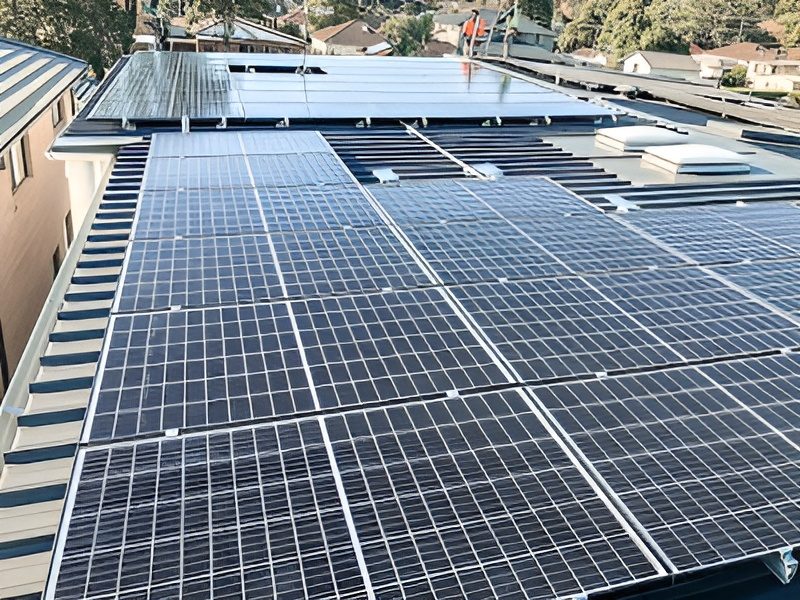
The roof is where most readiness questions start. A suitable solar roof is one that gets good sun, has enough usable space and is strong enough to hold panels for a long time.
Sunlight
Good sun across the middle of the day matters most. You can get a rough idea by noticing which parts of your roof are in full sun at different times of day. A roof facing north usually gets the most sun across the seasons in Australia. East and west facing roofs get more morning or afternoon sun, which can suit some households. A south facing roof is usually weaker, but an installer can tell you whether it is still worth using.
Shade
Shade from trees, chimneys, aerials and neighbouring buildings can reduce how much power panels make. Even shade on part of an array can lower its output. Shade also changes through the seasons, as the sun sits lower in winter. If trees are the main problem, trimming may help, but please leave any work near the roof or power lines to professionals.
Usable space
Usable space is the part of your roof that can actually carry panels. Some areas are kept clear around edges, ridges, vents and skylights. Roofs with several small planes may need a careful layout. Your installer will measure the space and plan where the panels can go.
Roof condition
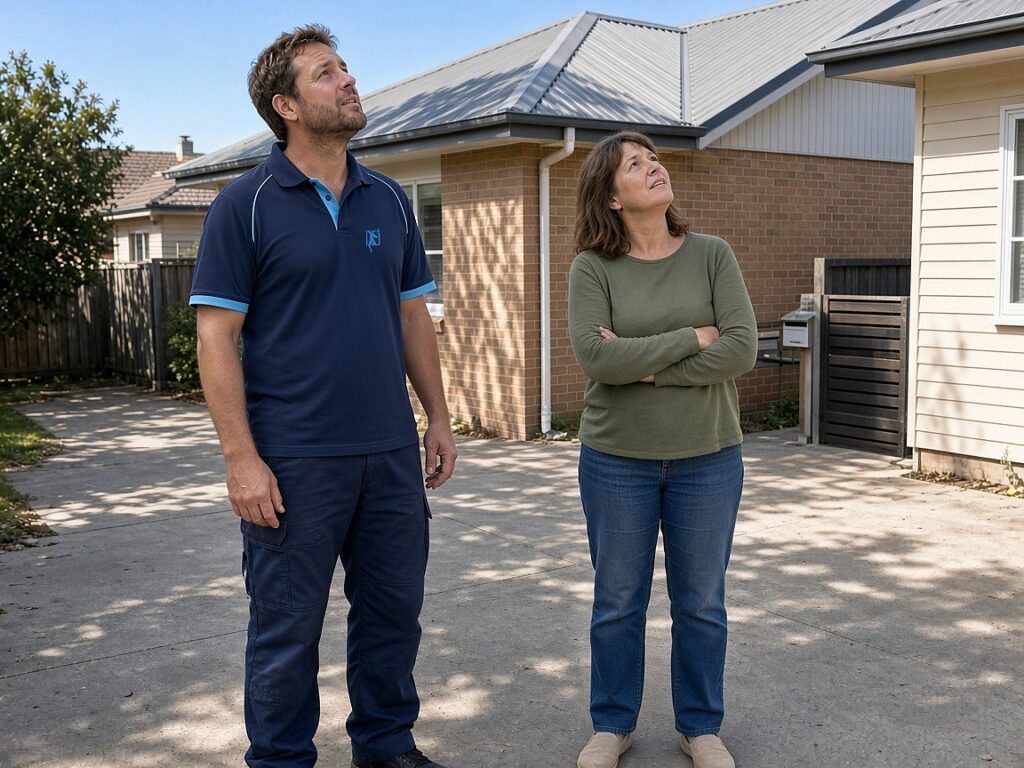
A sound roof comes first. If your roof is old, damaged or due for replacement, it is usually better to fix or replace it before panels go on. Removing and refitting panels later adds cost and effort. Your installer can check the condition of your roof from a safe position and let you know if any work is needed first.
The Switchboard, Usage and Approvals
Once the roof looks suitable, the next checks are inside and around the home. These cover the electrical side, how you use power and the approvals process.
The switchboard
Your switchboard is where the solar system connects to your home. Older switchboards with ceramic fuses, limited space or signs of heat may need an upgrade before solar can be added. Your electrician may also check whether your home has single phase or three phase power. A qualified electrician will check your switchboard, and the solar inverter location, as part of a site assessment. Please do not open your switchboard to check it yourself. For more on this, read do I need a new switchboard.
Usage and system size
Your power bills show how much electricity your home uses. Looking at your energy bills over the seasons can help you see your usage patterns, such as higher use in summer or winter. Your total energy consumption helps your installer suggest a sensible system size. For more help, read choosing the right solar system size for your home or business.
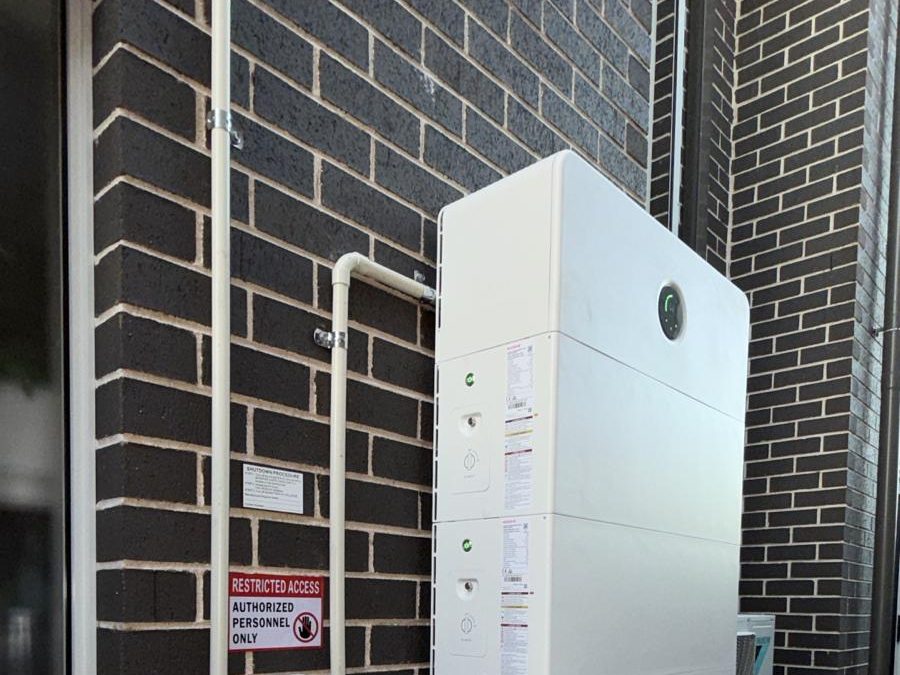
A solar battery is not required to be solar ready. It is an option you can consider later if you use a lot of power in the evening.
Approvals
Most solar systems need approval before they are connected to the grid. Some homes, such as those in heritage areas or strata buildings, may also need approval from the council or the owners corporation. Your installer can explain what applies and usually manages the paperwork.
Cost
The cost of making your house solar ready and installing a system depends on several things:
- The size of the system that suits your roof and usage
- Your roof type, height and condition
- Whether your switchboard needs work
- The number of roof planes used
- Whether you add a battery now or later
Your electrician will confirm the price for your job. Call us for a free quote. For more detail, read solar panel installation cost in Sydney. Installation must be done by a qualified electrician.
Frequently Asked Questions
How can you identify if your house is solar energy ready?
Start with six checks: roof sun, usable space, roof condition, the switchboard, how your home uses power and approvals. A qualified electrician then confirms what your home can take.
Does the roof have to face north for solar?
No. North is the usual starting point in Australia, but east and west facing roofs can also work well. Your installer will confirm what suits your roof.
Do you need a new switchboard for solar?
Sometimes. Older switchboards may need work before solar can be added. A qualified electrician will check your switchboard during a site assessment.
Does shade stop a solar installation?
Not always. Shade can reduce how much power panels make, but many homes with some shade can still use solar. A site assessment will confirm what works.
Do you need approvals before installing solar?
Often, yes. Most systems need approval before they connect to the grid, and some homes need other approvals. Your installer can explain what applies to your home.
Talk to Charlie Sparks About Solar for Your Home
Charlie Sparks is a Condell Park solar and electrical company helping homes in Bankstown, Yagoona, Bass Hill and across greater Sydney. Sydney’s Trusted Solar Installers with Solar Accreditation (SAA) for safe, quality, and on-time solar and electrical solutions. Serving New South Wales residents, businesses, and strata estates for over a decade.
Call us for a free quote.
Call Charlie Sparks on (02) 8310 4077. We are open Monday to Saturday, 7am to 6pm. Closed Sunday. You can also contact Charlie Sparks online.