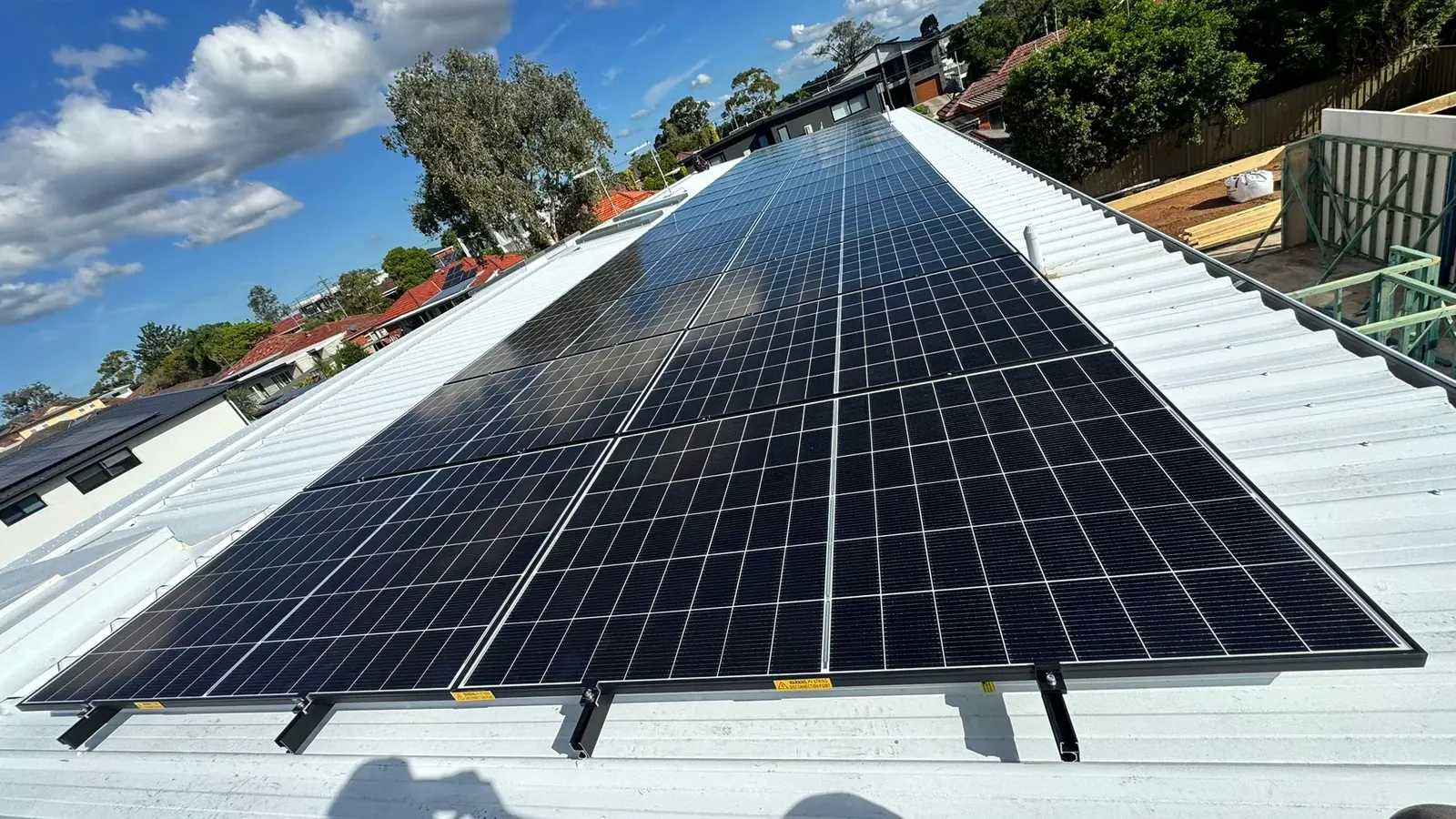
The best solar panels Australia homeowners can choose depend on one simple fact about solar power: there is no single best panel for every roof. The right panel comes down to efficiency, warranty, CEC approval, roof space and how your home uses solar energy through the day. Get those checks right and your panels will turn sunshine into renewable energy that suits your household.
Charlie Sparks is an Australian solar and electrical company delivering reliable services across Sydney. Our solar panels team helps homeowners compare models and match them to the roof, so the system on the quote is the one that suits the home.
What Makes the Best Solar Panels in Australia
A good panel balances several checks. Look at each one before you compare prices or brands.
Efficiency and Roof Space
Efficiency describes how much of the sunlight landing on a panel becomes electricity. Efficient solar panels produce more power from each square metre, which matters most when roof space is tight. If you have plenty of usable, unshaded roof, a quality panel with a lower efficiency rating can still reach the system size you need. Check the efficiency on the manufacturer datasheet rather than relying on a sales claim.
Product and Performance Warranties
Every panel should come with two warranties:
A product warranty, which covers defects in the panel itself
A performance warranty, which covers how much output the panel should still produce as it ages
Ask for both in writing and read the terms, because the length and conditions vary between manufacturers.
Heat Tolerance
Solar panels lose some output as they heat up, and Australian roofs get very hot in summer. The temperature coefficient on the datasheet shows how much output drops as the panel warms. A lower temperature coefficient means the panel copes better with heat.
Build Quality for Australian Conditions
Australian homes face hail, strong winds and, near the coast, salty air. Look for panels tested for hail impact and heavy wind loads, and for salt mist corrosion if you live close to the sea. The datasheet and certification documents list these tests. A sturdy frame and quality glass help a panel handle storms over its working life.
CEC Approval and STCs
The exact model on your quote should appear on the CEC approved modules list. Approved panels, installed by an accredited installer, are eligible for small-scale technology certificates, known as STCs.
Cell Type
Monocrystalline cells, including newer N-type designs, are common in current home panels. For a closer look at how the cell types compare, read our guide to monocrystalline vs polycrystalline panels.
Panel Brands and the Exact Model on Your Quote
Comparing panel brands is a useful start, but the brand name alone does not tell you much. Each manufacturer makes several ranges, and the specifications can differ from one model to the next. Ask your installer to write the manufacturer and the exact model on the quote, then check that model for:
Its efficiency and temperature coefficient on the datasheet
Its product and performance warranties
Its listing on the CEC approved modules list
Be cautious with a quote that lists a brand without a model, because you cannot check exactly what you are getting.
Charlie Sparks supplies panels from several manufacturers, including Jinko Solar and Trina Solar. We also install AIKO and JA Solar panels. We do not rank them, because the right panel depends on your roof, your budget and how you use power.
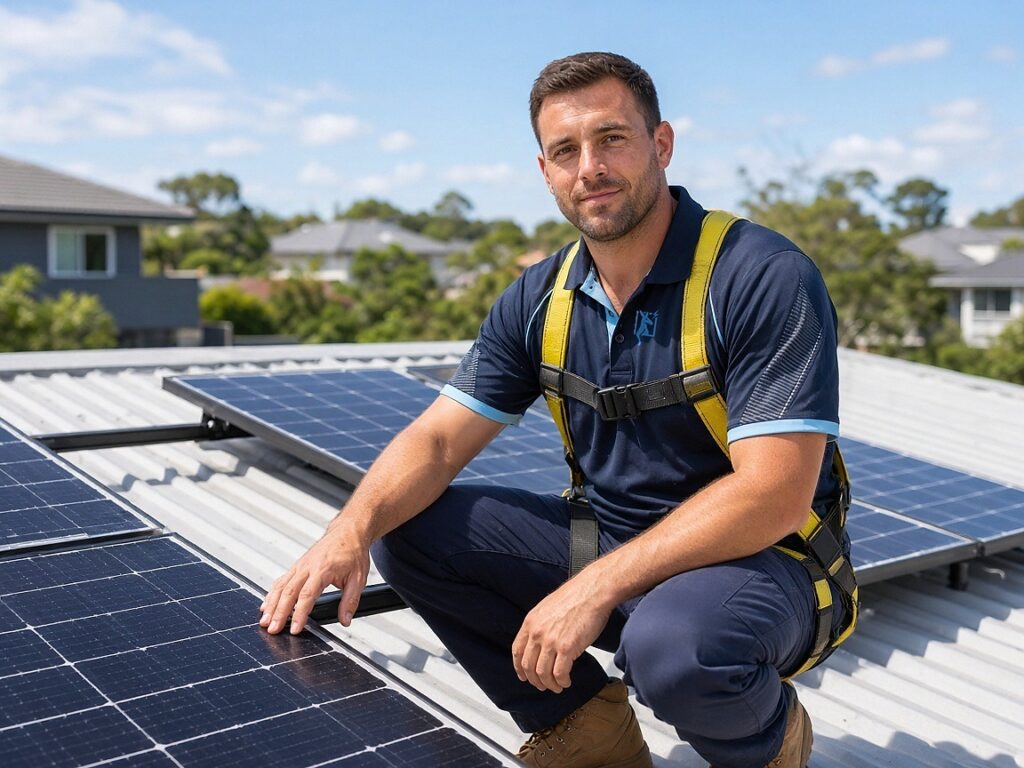
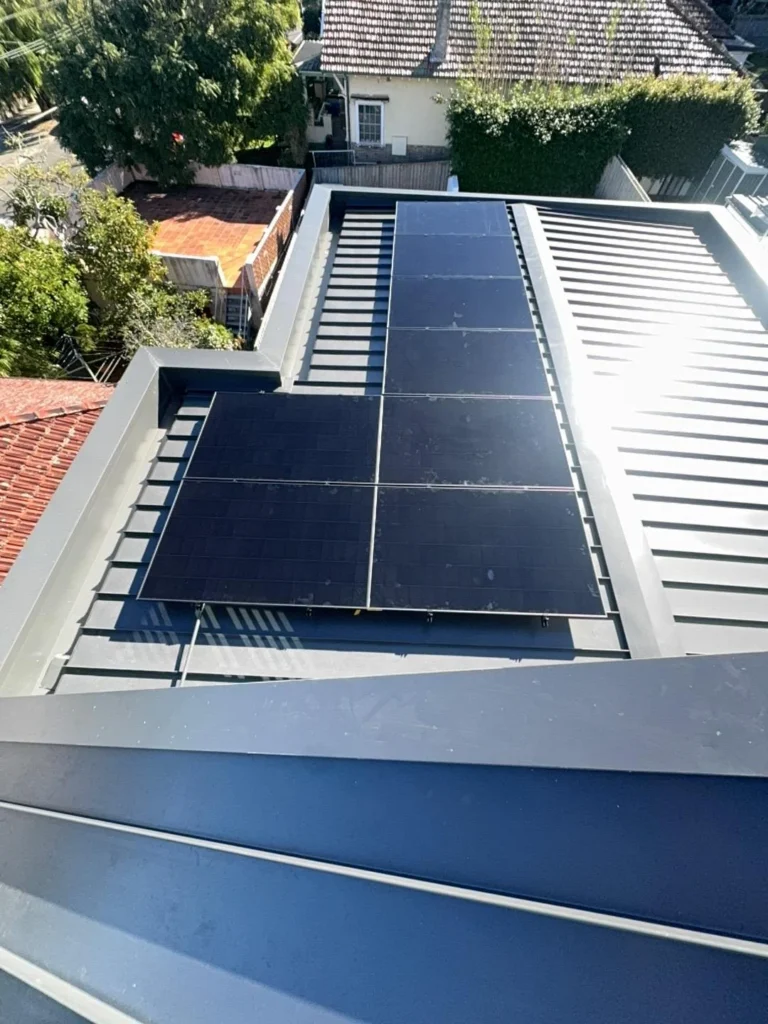
Good panels only perform well when they are installed well, so the installer matters as much as the brand. A careful solar installation covers the details a datasheet cannot:
The right mounting system for your roof type
A panel layout that avoids shade where possible
Safe, tidy cable runs and correct isolation
An inverter and switchboard setup that suits the system
Our team designs each system around the roof and the home, and explains the panel and inverter options on the quote before any work starts. Learn more about our solar installation in Sydney service, or read how to choose a solar installer before you compare quotes.
When the job is finished, ask for the system documents, including the panel and inverter warranties, the system layout and the shutdown procedure, so you have them on hand if you ever need service.
Pairing New Panels with Battery Storage
Solar batteries store the extra power your panels make during the day, so you can use it in the evening. If you are installing new panels, plan for battery storage at the same time, even if you add the battery later. A system designed with storage in mind makes that upgrade simpler. The right battery size depends on how much power you use after dark, not just on the size of your array.
Points to talk through with your installer:
When your household uses most of its power, during the day or in the evening
Whether your roof has space for enough panels to charge a battery
Whether your inverter suits a battery, or a hybrid inverter makes more sense
Where a battery could be mounted, and whether your switchboard needs work
Our solar batteries page explains the options in more detail.
Frequently Asked Questions
What are the best solar panels in Australia right now?
There is no single winner for every home. The best panel for you combines solid efficiency, clear product and performance warranties, good heat tolerance and a model listed on the CEC approved modules list. It also needs to fit your roof space and the way your household uses power.
Do I need the highest efficiency panels?
Only if roof space is tight. High efficiency panels produce more power from each panel, which helps on small or partly shaded roofs. If you have plenty of usable roof, a quality approved panel that fits your roof and budget can be the better fit. Your installer can show you both options on the quote.
Does Charlie Sparks supply Jinko and Trina panels?
Yes. We supply Jinko Solar and Trina Solar panels, along with AIKO and JA Solar. Whichever brand you choose, compare the exact model on your quote, check its warranties on the datasheet, and confirm the model is CEC approved before you sign.
Should I add battery storage when I install new panels?
It depends on how and when you use power. If most of your use is in the evening, battery storage lets you use more of the solar power your panels make. If you are not ready yet, ask for a system designed so a battery can be added later.
How much do the best solar panels in Australia cost?
The price depends on the panel type, the system size, your roof type and access, the inverter, and whether battery storage is included. Installation details such as cable runs and switchboard work also play a part. Your electrician will confirm the price for your job. Call us for a free quote.
Talk to Charlie Sparks About Solar Panels
Charlie Sparks is a Condell Park solar and electrical company helping homes in Bankstown, Yagoona, Bass Hill and across greater Sydney. Sydney’s Trusted Solar Installers with Solar Accreditation (SAA) for safe, quality, and on-time solar and electrical solutions. Serving New South Wales residents, businesses, and strata estates for over a decade.