
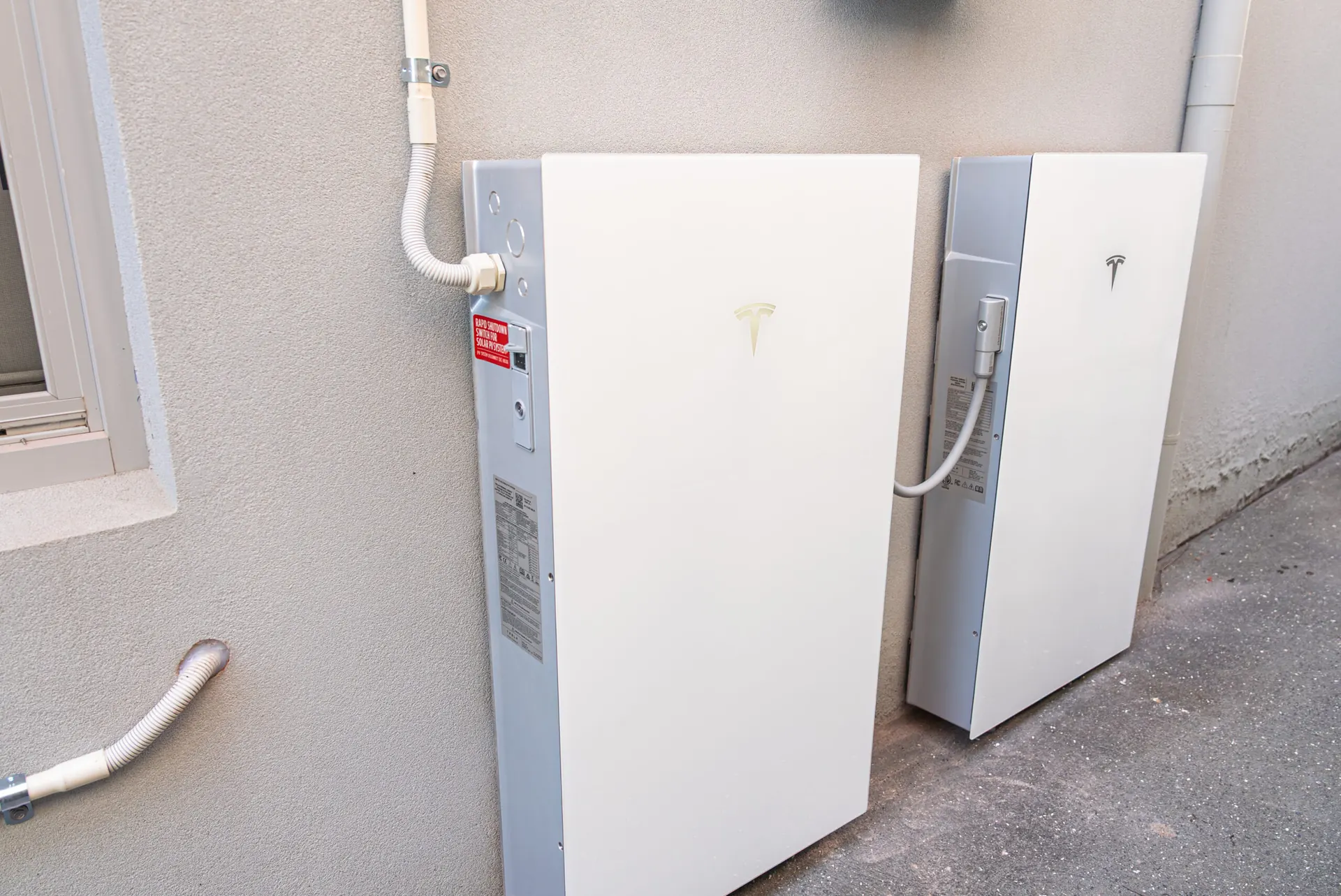
On a clear Sydney day, it is common for a home battery to hit 100% by late morning while the panels keep producing for hours. So where does all that extra solar go?
The answer depends on how your system is set up. In most homes, nothing is wasted and nothing is damaged. The power either runs the house, goes to the grid or the inverter simply eases back. Here is what happens in each case and how to make better use of that midday surplus.
Getting the Most From Your Solar?
Surplus power can be stored or exported. Make sure your system is set up right with Charlie Sparks.
Key Takeaways
- In a grid-connected home, extra solar goes to the house first, then to the grid once the battery is full.
- If your export is limited, the inverter reduces panel output, so some solar goes unused.
- Off-grid systems cannot export, so the system throttles the panels once the battery is full.
- A battery that is full by mid-morning every day can be a sign the system needs a rethink.
Your Battery Will Not Overcharge
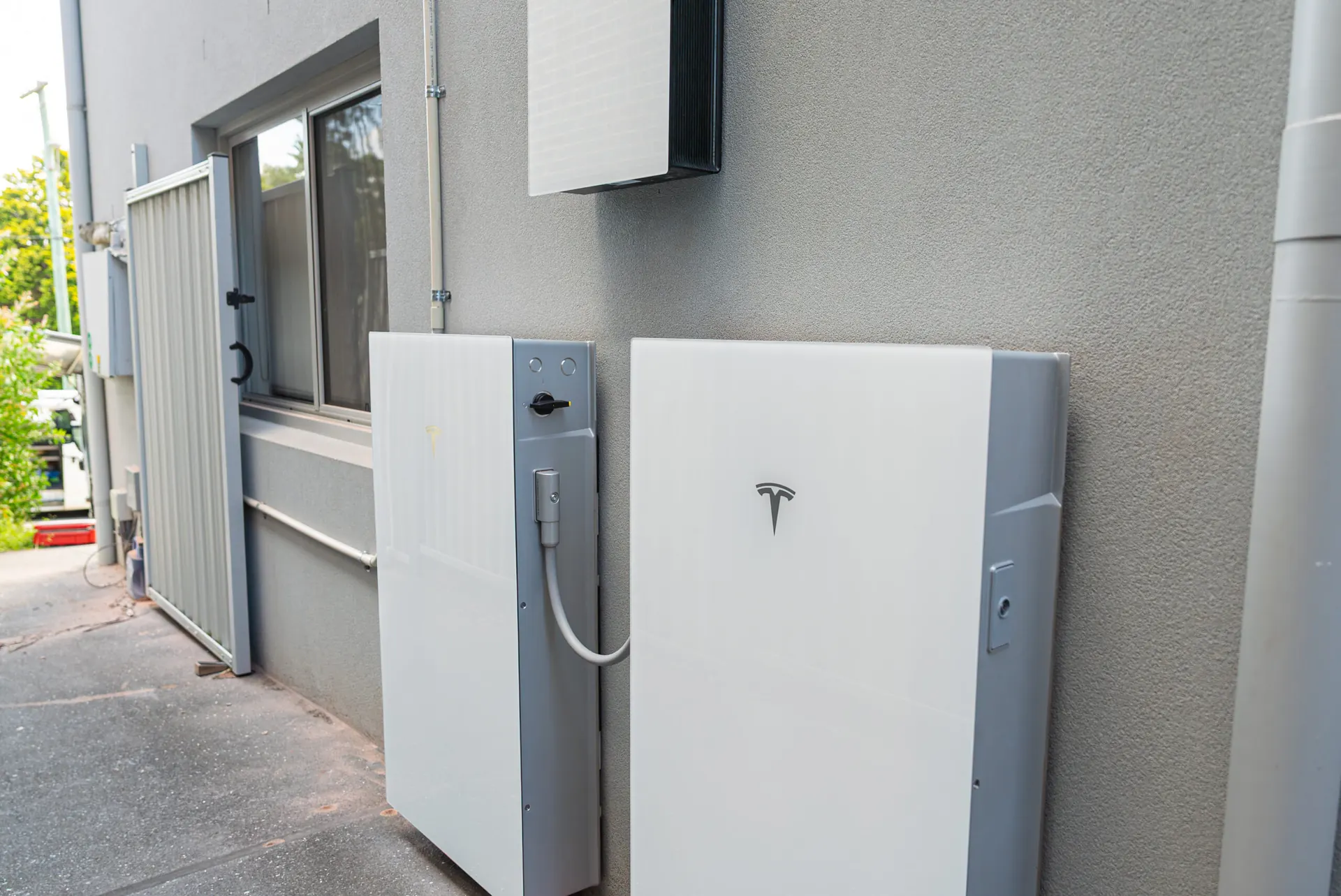
A common worry is that a full battery will keep taking in power and get damaged. It will not. Every modern home battery has a battery management system that stops charging once it reaches full. The inverter then sends the solar somewhere else or reduces how much the panels produce.
What Happens in a Grid-Connected Home
Most Sydney homes with solar and a battery are connected to the grid. In these systems, solar power follows a simple order of priority.
1. Your Home Uses It First
Whatever your appliances need at that moment comes straight from the panels. The fridge, air con, washing machine and anything else running during the day uses solar before anything goes to the battery or grid.
2. The Battery Charges
Any solar left over charges the battery. Most batteries charge fastest in the morning, which is why many are full before midday in spring and summer.
3. The Surplus Goes to the Grid
A plug or outlet supplies the electrical power necessary for your home’s equipment and loads. Both of these options provide the energy required.
4. The Inverter Holds Back If Exports Are Limited
Many homes have an export limit set by their network, which caps how much power can go back to the grid. When the battery is full and the export limit is reached, the inverter reduces panel output to match what the house can use and export. This is called curtailment. Some solar goes unused, but it is normal and does not harm the system.
What Happens in an Off-Grid System
In an off-grid home there is no grid to export to. Once the battery is full and the house is using all it needs, the charge controller or inverter backs off the panels. The extra solar is not stored or sent anywhere, so off-grid systems are usually designed with a generous battery and careful load planning.
Making the Most of Your Midday Solar
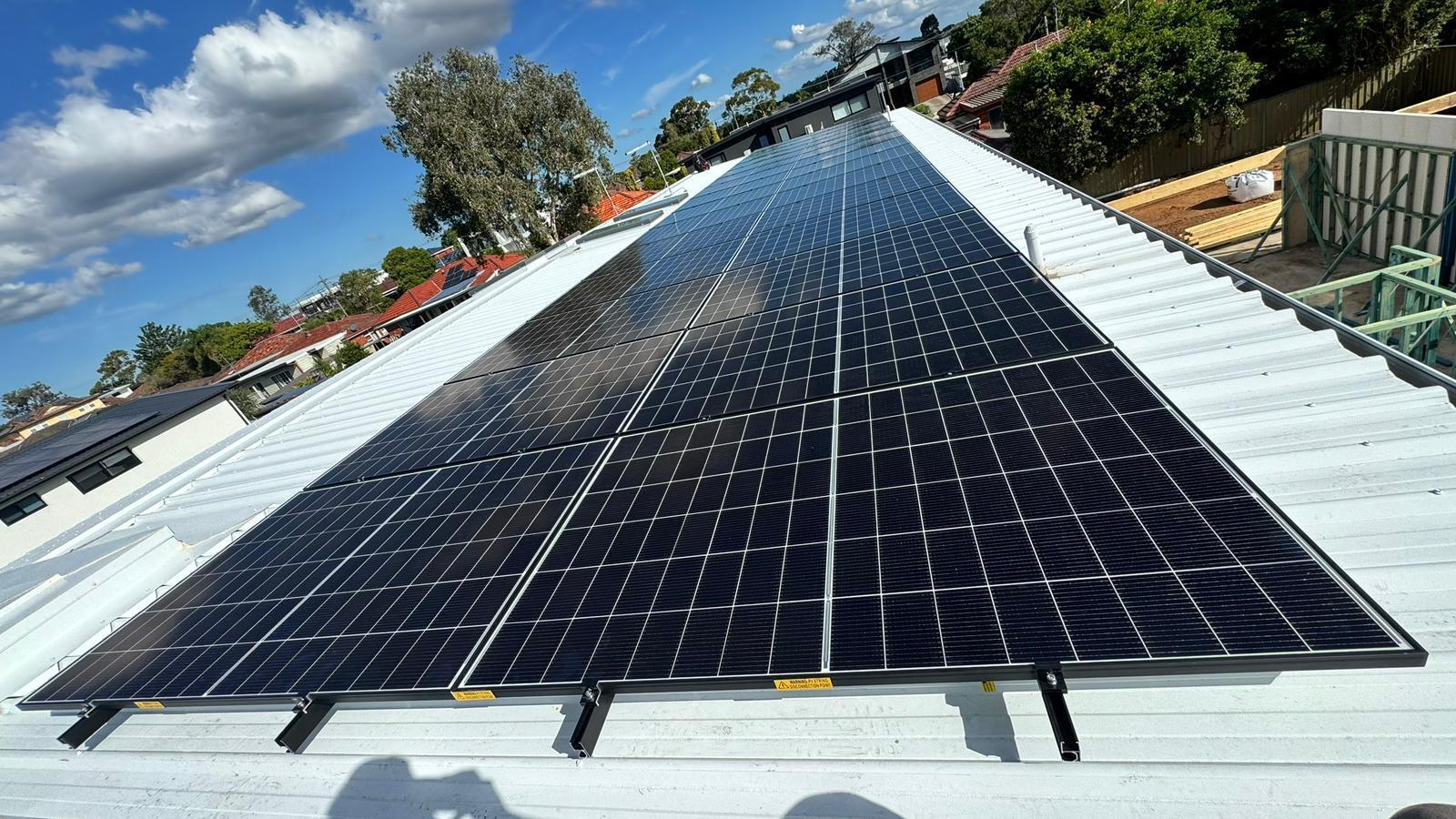
If your battery fills early and you are exporting for low returns, the best move is to use more of that power in the house. Simple changes make a real difference:
- Run the dishwasher, washing machine and dryer in the middle of the day using delay timers
- Set the pool pump to run during peak sun instead of overnight
- Put an electric or heat pump hot water system on a daytime timer
- Pre-cool or pre-heat the house with the air con in the early afternoon
- Charge an electric car during the day when you can
In our experience, timing the hot water system and pool pump to run during the day is one of the easiest ways for Sydney households to soak up excess solar without changing their routine much.
When a Full Battery Points to a Sizing Problem
A battery that is full by 10am and flat by 9pm is telling you something. It may mean the battery is too small for your evening usage, so you are still buying grid power at night even though you exported plenty during the day.
📖 People also read about:
When we assess a system, we look at when the battery fills, when it empties and how much is exported or curtailed. That shows whether more battery capacity, different settings or a few changes in daily habits would help most. Our solar battery storage assessments use your actual usage data, so any recommendation is based on how your home really runs.
Check Your Battery Settings
Sometimes the hardware is fine but the settings are not. Things worth checking in your monitoring app include:
Backup Reserve
Many batteries keep a set percentage in reserve for blackouts. A high reserve means less stored energy is available for evening use.
Charging Mode
Self-consumption mode is the usual choice for most homes. Other modes, such as time-of-use or virtual power plant settings, can change when the battery charges and discharges.
Export Settings
If your inverter export limit is set lower than your network allows, you may be curtailing more solar than you need to. Your installer can confirm what your connection approval allows.
Want a Smarter Solar Setup?
Book a licensed Sydney team to optimise your solar, battery and export settings. Talk to Charlie Sparks.
Frequently Asked Questions
Is it bad for my battery to be full most days?
No. Modern lithium batteries are designed to cycle daily and manage their own charging, so sitting at full charge for part of the day is normal.
Do I lose money when my battery is full?
You do not lose money, but you may miss out on value. Exporting earns less than using the power yourself, and curtailed solar earns nothing.
Should I add more panels or a bigger battery?
It depends on your usage. If your battery fills early and empties before morning, more storage may help. If it rarely fills, more panels may be the better step.
Want to Get More From Your Solar and Battery?
Charlie Sparks helps Sydney homeowners get more value from their solar, from reviewing battery settings to sizing new storage that suits how the household uses power. Contact our team or call (02) 8310 4077 to book a system check.