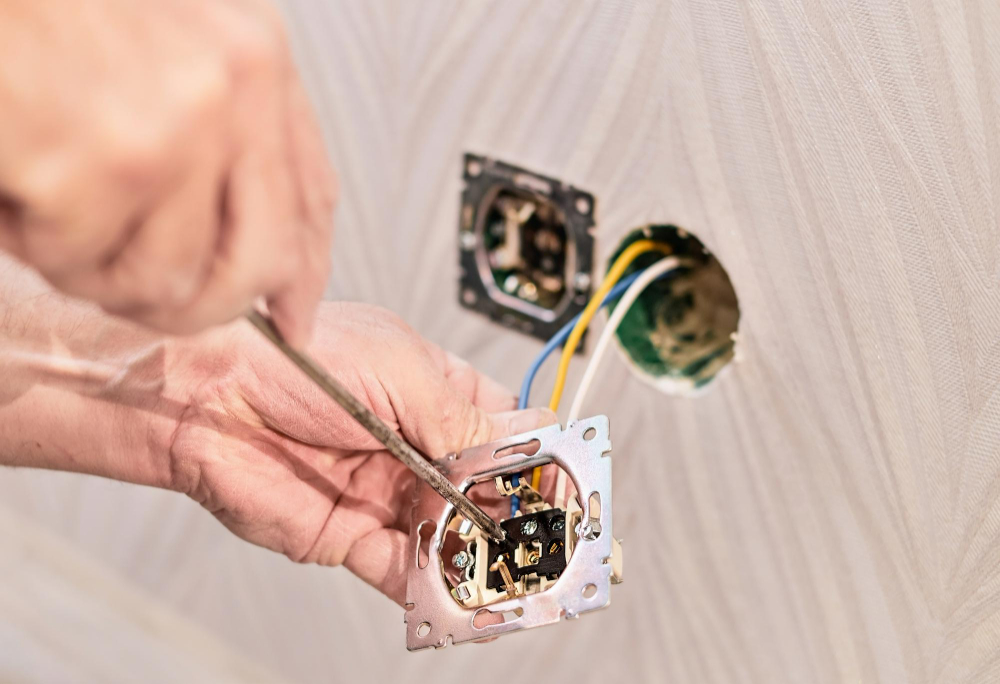
Most homes give you plenty of clues before a circuit causes real trouble. The problem is that the early signs are easy to brush off. A light flickers when the kettle goes on, a powerpoint feels a little warm, and life moves on.
Here are the three warning signs of an overloaded electrical circuit our electricians see most often in Sydney homes, what causes them and what to do next.
Worried About an Overloaded Circuit?
Flickering lights, buzzing or a burning smell need attention fast. Get it checked by Charlie Sparks.
Key Takeaways
- Flickering or dimming lights, buzzing or warm powerpoints and a burning smell are the three main warning signs.
- A burning smell or scorch marks need urgent attention. Switch off at the switchboard and call an electrician.
- Breakers that trip often are doing their job, but they are telling you the circuit is carrying too much.
- The long-term fix is usually more circuits or a switchboard upgrade, not a bigger breaker.
What an Overloaded Circuit Actually Is
Every circuit in your home is designed to carry a set amount of current. The circuit breaker on your switchboard is sized to match the wiring, so it trips before the cable gets dangerously hot.
A circuit becomes overloaded when the appliances plugged into it draw more current than it was built for. Some homes have only a handful of circuits feeding the whole house, so one room full of appliances can push a circuit past its limit quickly.
Sign 1: Flickering or Dimming Lights

Lights that dim when the microwave, air con or hair dryer starts are one of the earliest signs. High-draw appliances pull a surge of current as they start up, and if they share a circuit with your lighting, the voltage drops for a moment.
One flicker when a big appliance kicks in is not always a concern. It becomes a warning sign when it happens often, gets worse over time or affects several rooms at once. In older Sydney homes, we often find lights and powerpoints sharing circuits in ways that would not pass today’s standards.
Sign 2: Buzzing, Crackling or Warm Powerpoints
A healthy powerpoint or switch should be silent and cool to the touch. If you hear buzzing, crackling or sizzling, or the faceplate feels warm, the connections behind it may be under strain.
Other things to look for:
- Discolouration or brown marks around a powerpoint or switch
- Plugs that feel hot after being in use for a while
- A powerboard or double adapter that is warm or has melted plastic
- Appliances that seem underpowered or cut out when other devices are running
Warm faceplates are often written off as normal, but they are not. Heat at a connection point means current is meeting resistance, and that is where damage starts.
Sign 3: A Burning Smell or Scorch Marks
This is the most serious of the three. A burning plastic or hot electrical smell with no obvious source can mean wiring insulation is overheating inside the wall, behind a powerpoint or at the switchboard.
If you notice it:
- Stop using the appliances on that circuit straight away
- Switch the circuit off at the switchboard if it is safe to do so
- Do not open the powerpoint or touch damaged wiring
- Call a licensed electrician to inspect it before turning the power back on
If you see smoke, flames or sparking, leave the area and call 000.
What About Breakers That Keep Tripping?
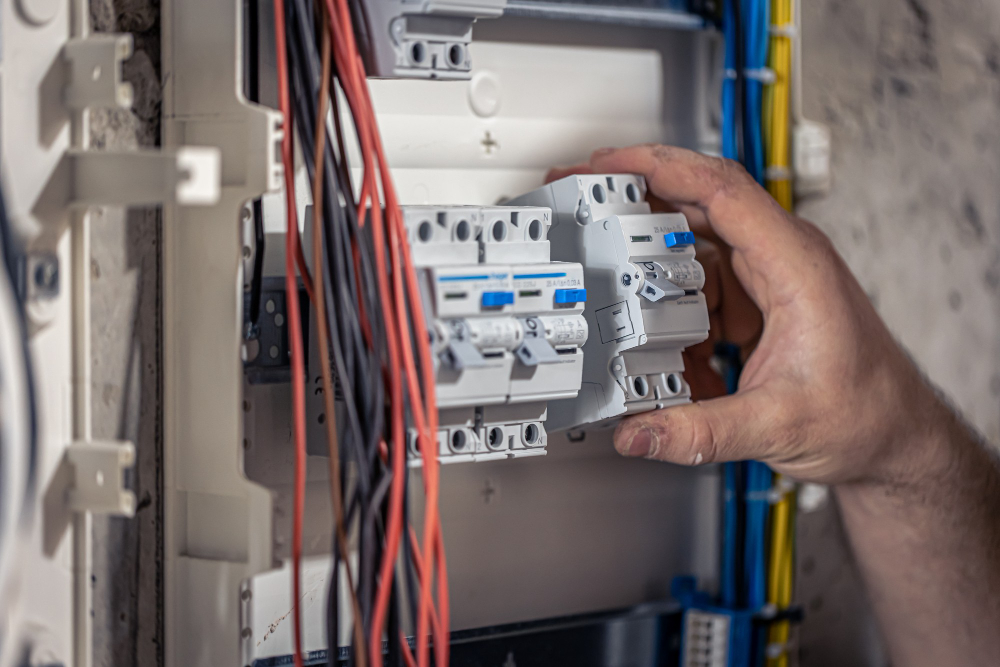
A tripping circuit breaker is not a fault in itself. It is the system protecting your wiring. If the same breaker trips whenever the heater and kettle run together, the circuit is overloaded, and the breaker is doing exactly what it should.
It helps to know which device is tripping. Circuit breakers respond to too much current, while safety switches (RCDs) respond to current leaking to earth, which usually points to a faulty appliance or damaged wiring rather than an overload. Never replace a breaker with a larger one to stop it tripping. That removes the protection and lets the cable overheat.
Common Causes in Sydney Homes
From the jobs we attend, overloaded circuits usually come down to a few things:
- Older homes with very few circuits, wired for far less than modern households use
- Kitchens where the kettle, toaster, microwave and coffee machine share one circuit
- Portable heaters and air conditioners running on the same circuit as other appliances
- Powerboards and double adapters stacked together to add more outlets
- Renovations that added rooms or appliances without adding new circuits
- Charging an electric car from a standard powerpoint for hours at a time
How an Electrician Fixes an Overloaded Circuit
The fix depends on what we find during the inspection. Sometimes it is as simple as moving appliances to a less-used circuit or adding new powerpoints so you can retire the powerboards. Kitchens, laundries and air conditioners often need their own dedicated circuits.
If your switchboard has no room for extra circuits, still uses ceramic fuses or lacks safety switches, a switchboard upgrade is usually the safest long-term fix. It lets the electrician split the load properly and adds modern protection across the whole house.
Circuit Overloading at Home?
Book a licensed Sydney electrician to inspect your switchboard and fix overloaded circuits safely.
Frequently Asked Questions
Can an overloaded circuit cause a fire?
Yes. When wiring carries more current than it is rated for, it heats up. Over time this can damage insulation and start a fire inside walls or ceilings, often before anyone notices.
Is it safe to keep resetting a tripped breaker?
Resetting it once after unplugging a few appliances is fine. If it keeps tripping, stop resetting it and have an electrician find the cause.
Are powerboards safe to use?
Quality powerboards with overload protection are fine for low-draw items like chargers and lamps. They are not suited to heaters, kettles or other high-draw appliances, and should never be plugged into each other.
Worried About an Overloaded Circuit?
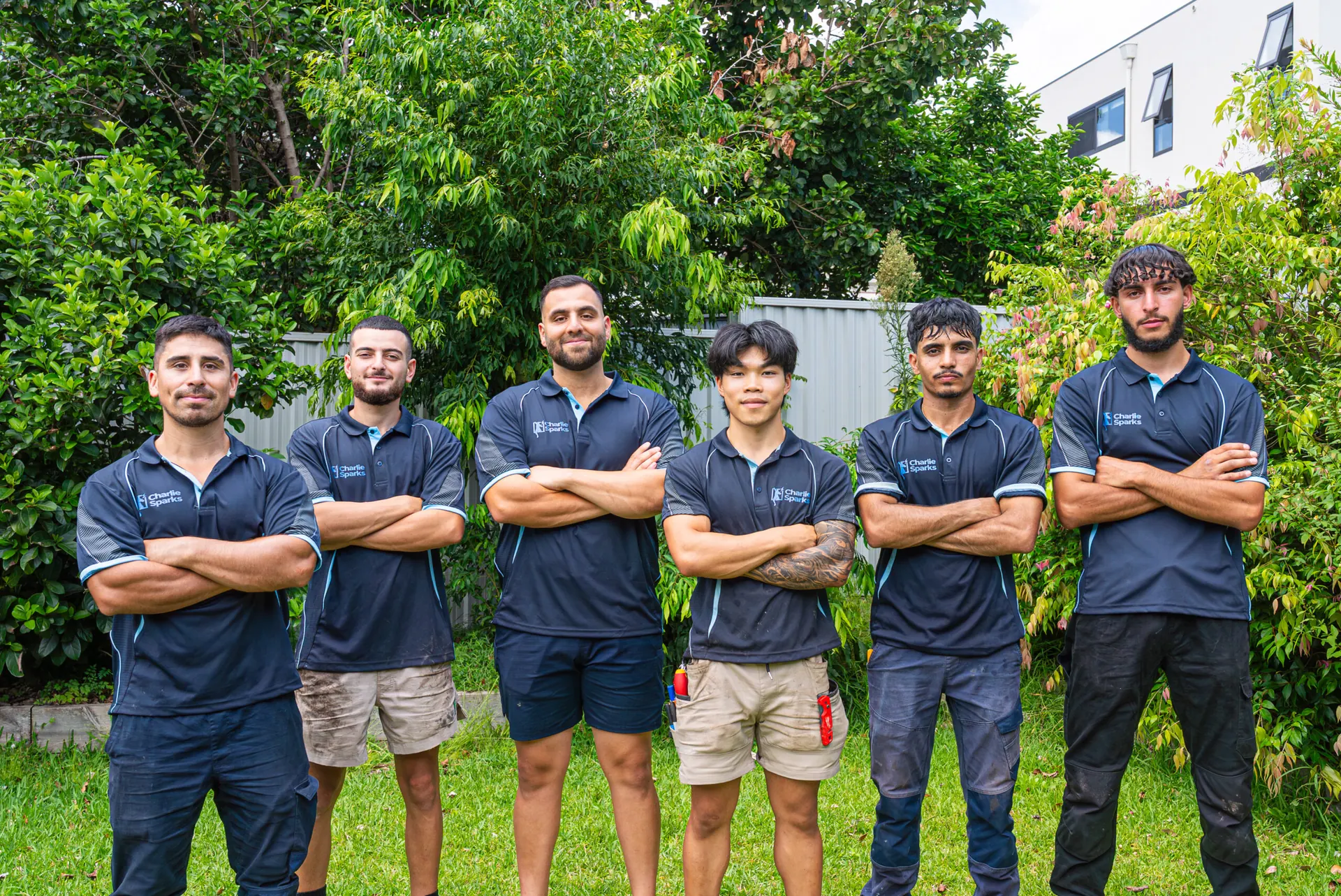
Charlie Sparks has licensed electricians across Sydney who can inspect your circuits and switchboard, find the cause and fix it properly, with support available 24/7 when things cannot wait. Contact our team or call (02) 8310 4077 to book an inspection.
About the Author
Charlie Tannous is the owner of Charlie Sparks, a Sydney solar and electrical business with SAA accreditation. His team of licensed electricians has been working in homes and businesses across New South Wales for over a decade.