
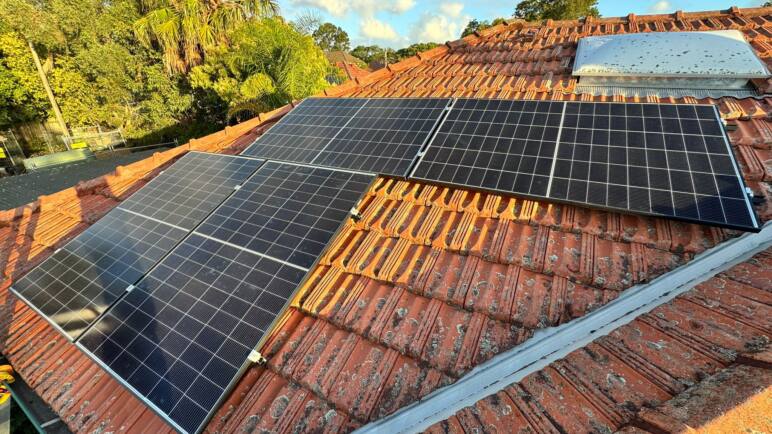
solar energy has become a popular choice for Australian homeowners who want greater control over their electricity use and household costs. With abundant sunshine across the country, rooftop solar can help households generate renewable electricity at home while reducing their reliance on electricity from the grid.
But the advantages of solar energy go beyond potentially lower power bills. A well-designed solar PV system can also help reduce household greenhouse gas emissions and support Australia’s transition towards cleaner energy. The Australian Government lists reducing electricity bills and significantly reducing household greenhouse gas emissions among the key benefits of rooftop solar.
For Sydney homeowners considering solar, Charlie Sparks provides professional solar and electrical solutions designed around your property, energy needs and long-term goals.
Need a Reliable Electrician?
From electrical repairs to solar installations, our licensed team delivers safe, efficient, and high-quality solutions. Get in touch today for a free quote.
What Are the Main Advantages of Solar Energy?
The advantages of solar energy can be looked at from two perspectives: what it can do for your household and what it can contribute to the environment.
For homeowners, solar can help reduce electricity costs by allowing you to generate and use your own electricity. Environmentally, solar produces electricity without the direct combustion of fossil fuels during generation.
Some of the key advantages include:
- Potentially lower household electricity bills
- Greater use of renewable energy at home
- Reduced household greenhouse gas emissions
- Less reliance on electricity purchased from the grid
- Greater control over when and how you use electricity
- Potentially lower costs when charging an electric vehicle at home
- The ability to add battery storage for greater solar self-consumption
The actual financial and environmental benefits depend on your solar system size, electricity consumption, location, energy retailer, tariff and how much of your solar generation you use yourself.
How Does Solar Energy Help the Environment?
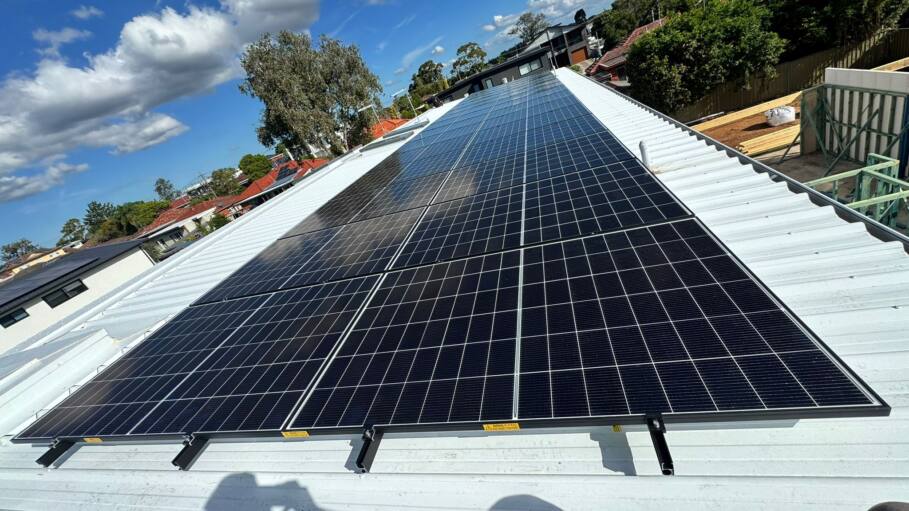
One of the biggest advantages of solar energy is that it generates electricity from sunlight rather than burning fossil fuels.
Solar PV panels convert sunlight into electricity without producing direct greenhouse gas emissions while generating power. This means households can use renewable electricity generated on their own roofs, helping reduce the emissions associated with their electricity consumption.
The Australian Government identifies rooftop solar as a major step in the transition away from fossil fuels, while the Clean Energy Council reports that rooftop solar now provides a significant share of Australia’s electricity generation.
Solar Can Reduce Household Greenhouse Gas Emissions
When you generate renewable electricity at home and use it instead of electricity from more emissions-intensive sources, you can reduce the greenhouse gas emissions associated with your household’s electricity consumption.
The amount of emissions avoided will vary depending on factors such as the electricity grid, your solar generation and how much electricity your system produces and consumes.
Solar Uses a Renewable Energy Source
Sunlight is naturally replenished, making solar energy fundamentally different from finite fossil fuel resources.
Australia’s abundant sunshine makes rooftop solar particularly practical for many households. More than four million rooftop solar systems have now been installed across Australian homes and small businesses, demonstrating just how widely the technology has been adopted.
Solar Generates Electricity Where It Is Used
Rooftop solar has another environmental and infrastructure advantage: electricity can be generated close to where it is consumed.
The Clean Energy Council notes that small-scale solar generates electricity at the point of demand, reducing the need to transfer as much energy over long distances.
This distributed generation model is one reason rooftop solar has become an important part of Australia’s changing energy system.
How Can Solar Energy Save You Money?
The financial benefits of solar are one of the main reasons homeowners consider making the switch.
Instead of purchasing all of your electricity from the grid, a solar PV system allows you to generate electricity on your property. When your solar system is producing electricity, you can use that energy to power appliances and other household loads.
Solar can reduce electricity bills through self-consumption, solar exports and reducing peak demand, with the greatest savings generally coming from using the electricity your system generates yourself.
Use Your Own Solar Electricity
When your panels are generating electricity during the day, your home can use that electricity instead of purchasing as much from the grid.
For example, running your dishwasher, washing machine, pool pump or other suitable appliances during periods of solar generation can increase your self-consumption.
📖 People also read about:
The more of your solar generation you can use directly, the less electricity you may need to purchase from your retailer at that time.
Export Excess Electricity
Your solar system may produce more electricity than your household needs at certain times.
Depending on your electricity plan and system configuration, excess electricity may be exported to the grid in return for a feed-in tariff.
However, feed-in tariffs vary between electricity retailers and plans, so it is important not to assume that exporting electricity will always provide the greatest financial benefit. In many situations, using your own solar electricity can provide greater value than exporting it.
Reduce Your Exposure to Electricity Price Rises
Solar can also provide a degree of protection against future electricity price increases because you are generating some of your own electricity rather than purchasing all of it from the grid.
It does not eliminate electricity bills entirely, as households may still have supply charges and may need to purchase electricity when their solar system is not generating enough.
However, reducing the amount of electricity you purchase can make your household less dependent on retail electricity prices.
Can Solar Increase Your Energy Independence?
Solar does not necessarily mean your home will operate independently of the electricity grid.
Most grid-connected solar homes remain connected to the grid and draw electricity when their solar system is not producing enough energy. During the day, however, your solar panels can generate electricity locally for household use.
Adding a battery can increase your ability to use your own solar electricity outside daylight hours.
What Are the Advantages of Adding a Solar Battery?
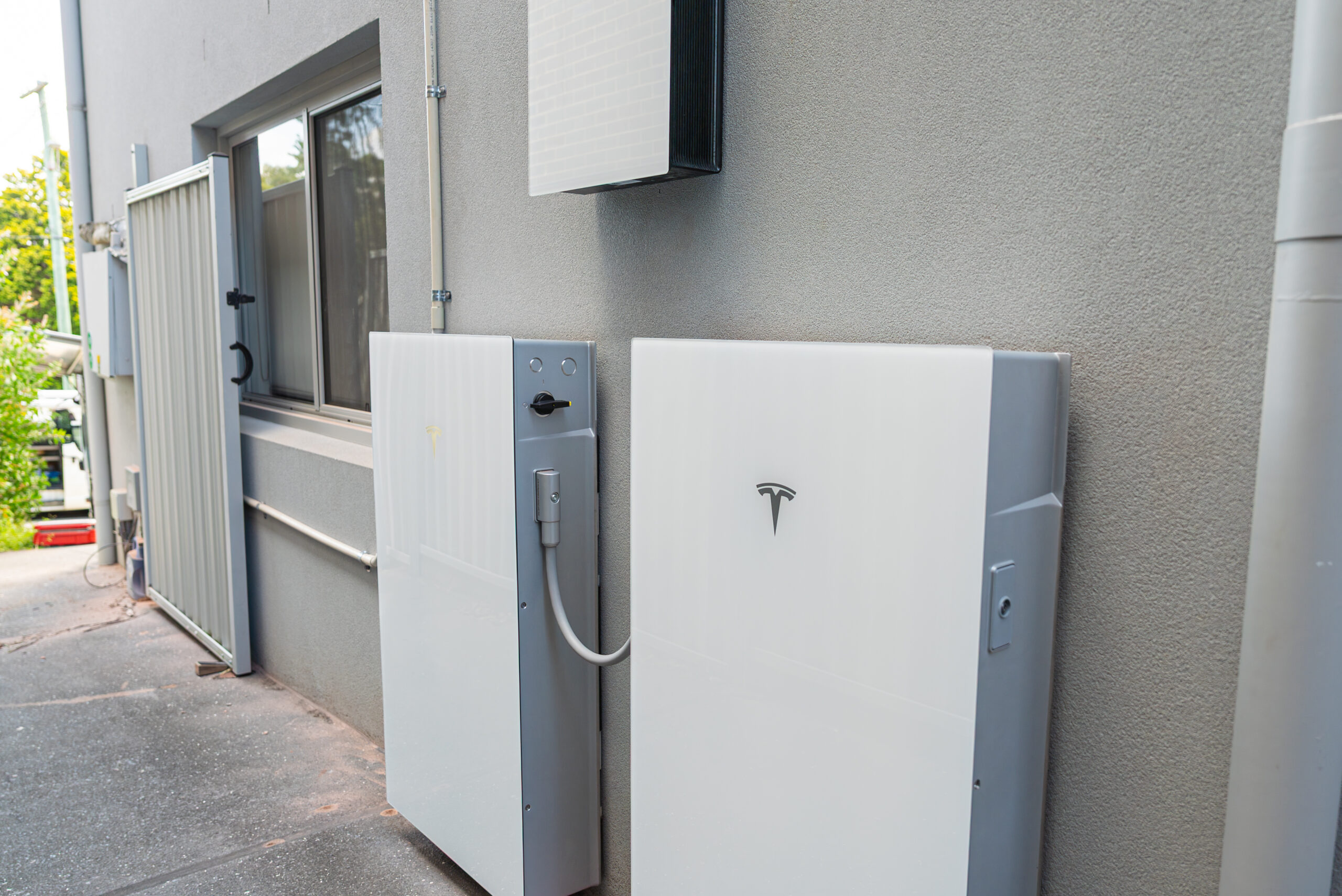
Solar panels generate electricity during the day, but many households use substantial amounts of electricity in the evening.
A battery can store some of the solar energy generated during the day and make it available later when your panels are producing less. A battery can increase the savings available from solar by enabling households to store energy for later use.
A battery can help you:
- Store excess solar generation
- Use more of your own solar electricity
- Reduce the amount of solar energy exported to the grid
- Reduce electricity purchases during certain periods
- Potentially improve your household's energy savings
Whether a battery is financially worthwhile depends on your electricity usage, solar generation, battery cost, electricity tariff, available incentives and how effectively you use the stored energy.
Is Solar Energy Worth It for Sydney Homeowners?
Sydney is well suited to rooftop solar, but the right system still depends on the individual property.
Roof orientation, available roof space, shading, household electricity consumption and the condition of your electrical infrastructure can all affect how well a solar system performs.
A professional assessment can help determine an appropriate system size rather than simply installing the largest possible array.
For homeowners considering solar, it is worth looking at:
Your Current Electricity Consumption
Review your electricity bills and identify how much energy your household uses and when it uses it.
📖 People also read about:
If most of your electricity consumption occurs during daylight hours, you may be able to make good use of your solar generation directly.
If you use most of your electricity in the evening, battery storage could be worth considering.
Your Roof
Solar panels need suitable roof space with appropriate exposure to sunlight.
Shade from trees, neighbouring buildings, chimneys and other structures can affect solar generation. Your roof’s orientation and pitch can also influence system design.
Your Future Energy Needs
Think beyond your current electricity usage.
Are you considering an electric vehicle? Installing a heat pump? Adding a pool? Increasing air conditioning use? Switching other household appliances from gas to electricity?
Future energy consumption can influence the size and configuration of a solar system.
How Much Can Solar Save on Electricity Bills?
There is no single saving figure that applies to every household.
Your potential savings depend on:
- Solar system size
- Electricity consumption
- When you use electricity
- How much solar electricity you self-consume
- Feed-in tariff rates
- Electricity retailer and tariff
- Roof conditions and shading
- Battery storage, if installed
- System performance
Consider assessing your expected costs and savings based on your individual property and energy use rather than relying on a generic estimate.
This is also why professional solar system design matters. A system that suits one Sydney home may not be appropriate for another.
What About Solar Rebates and Incentives?
Government incentives can affect the upfront cost of installing solar and batteries.
The Small-scale Renewable Energy Scheme (SRES) provides support for eligible small-scale renewable energy systems, including rooftop solar. The Australian Government also introduced the Cheaper Home Batteries Program, which provides support for eligible battery installations under the program’s requirements.
Incentive eligibility, amounts and program rules can change, so homeowners should check the current government requirements before making a purchasing decision.
💡 Need help?
We offer professional solar installation sydney to help you achieve your goals.
It is also important to look beyond the initial incentive. The long-term value of your solar system depends on its installation cost, electricity savings, system performance, maintenance and how long you use it.
Is Solar Energy Completely Free After Installation?
No.
Solar energy from sunlight is free, but installing a solar PV system has an upfront cost. There can also be costs associated with maintenance, repairs, inverter replacement or future system upgrades.
Your solar system also does not necessarily eliminate your electricity bill.
The financial advantage comes from generating electricity yourself and potentially reducing the amount you need to purchase from your electricity retailer. How quickly a system pays for itself depends on its total cost and the savings it generates over time.
Why Professional Solar Installation Matters
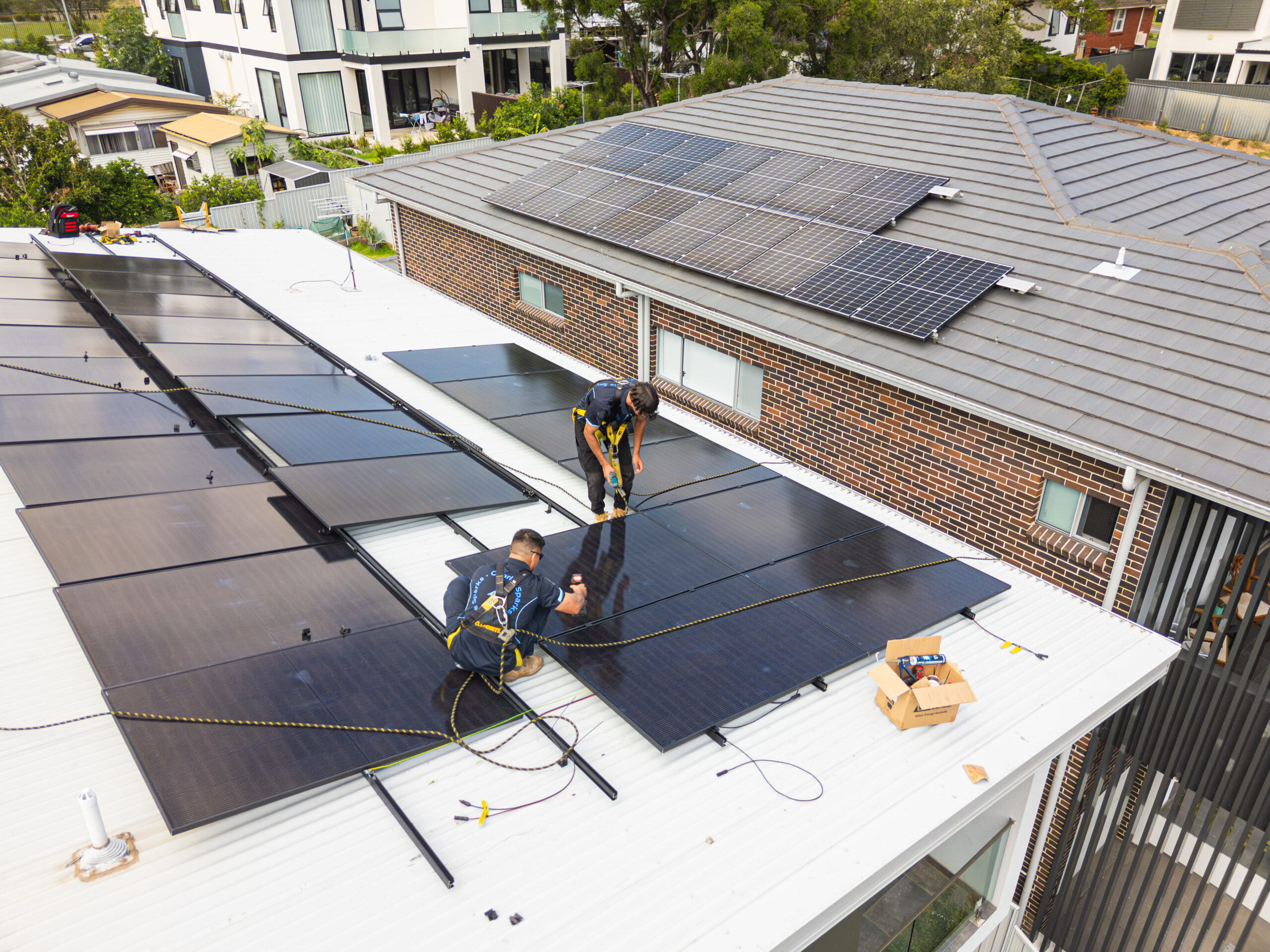
A solar system is a significant electrical installation, so choosing the right equipment is only part of the process.
Professional installation helps ensure your system is appropriately designed for your property and installed safely and correctly.
At Charlie Sparks, our team provides solar and electrical solutions for Sydney homes, businesses and strata properties. We focus on practical system design, quality workmanship and solutions suited to each property’s requirements.
A professional installer can assess your:
- Roof space and orientation
- Existing electrical infrastructure
- Energy consumption
- Solar generation requirements
- Potential shading
- Inverter and panel requirements
- Battery storage options
- Future energy needs
This helps you make an informed decision instead of choosing a system based solely on its advertised capacity.
Solar Energy Is About More Than Lower Bills
The advantages of solar energy extend beyond the potential for lower electricity bills.
For homeowners, rooftop solar can provide a way to generate renewable electricity at home, increase energy self-consumption and reduce reliance on grid electricity. Environmentally, solar can help reduce household greenhouse gas emissions and contribute to Australia’s transition towards renewable energy.
And with battery storage, electric vehicles and other energy-efficient technologies becoming increasingly common, solar can become an important part of a home’s broader energy strategy.
If you are considering solar for your Sydney property, Charlie Sparks can help you understand your options and choose a system designed around your home, energy consumption and future requirements.
Power Your Home with Confidence
Whether it’s a small repair or a complete electrical upgrade, Charlie Sparks is ready to help with prompt, professional service you can trust.
Frequently Asked Questions
What are the biggest advantages of solar energy for homeowners?
The main advantages include potentially lower electricity bills, greater use of renewable energy, reduced household greenhouse gas emissions and less reliance on electricity purchased from the grid. Solar can also support technologies such as home batteries and electric vehicles.
Does solar energy really save money?
Solar can reduce electricity costs, particularly when you use the electricity your panels generate rather than purchasing electricity from the grid. Your actual savings depend on your system, energy consumption, electricity tariff, solar generation and how much energy you self-consume.
Is adding a battery to solar worth it?
A battery can increase your solar self-consumption by storing electricity generated during the day for later use. Whether it is financially worthwhile depends on your electricity usage, solar system, battery cost, electricity plan and available incentives.
Thinking about solar for your Sydney home? Contact Charlie Sparks for professional solar installation and electrical solutions tailored to your property and energy needs.