
Lithium batteries
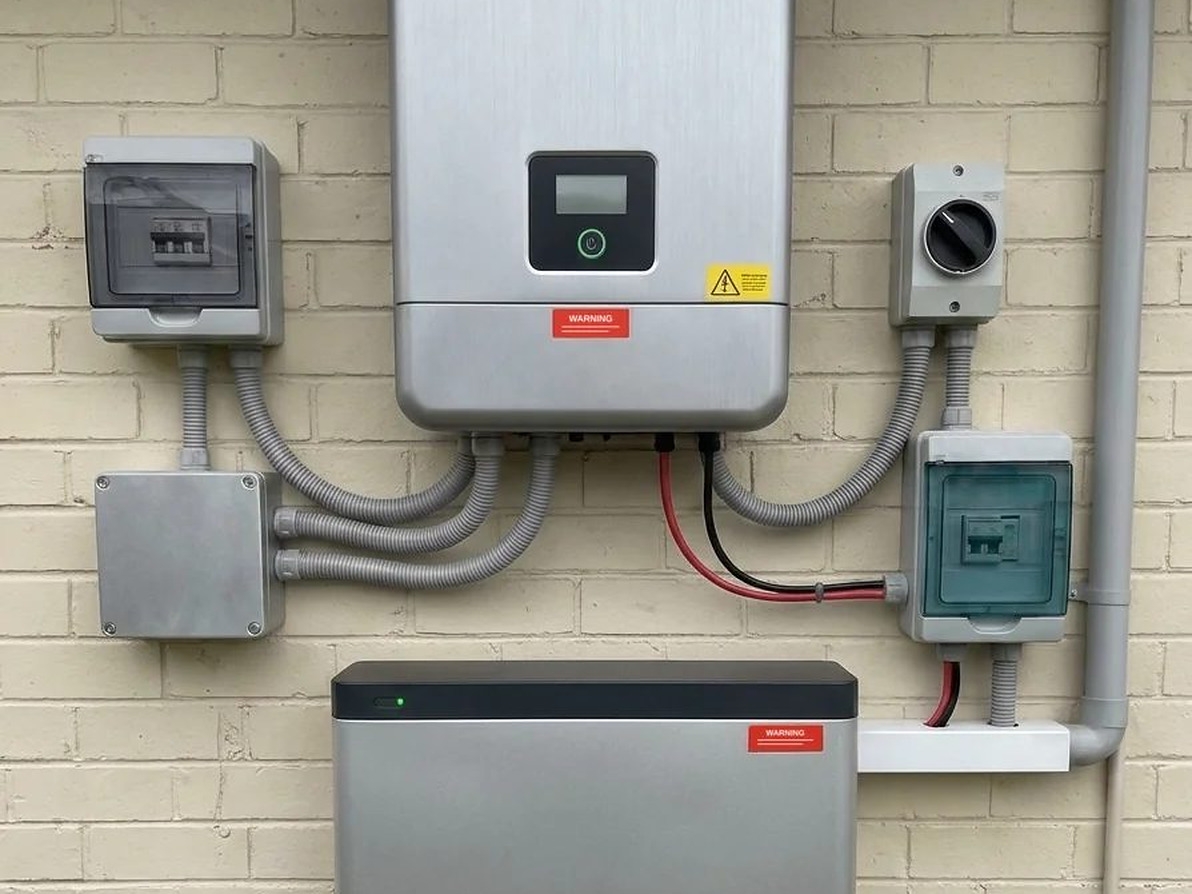
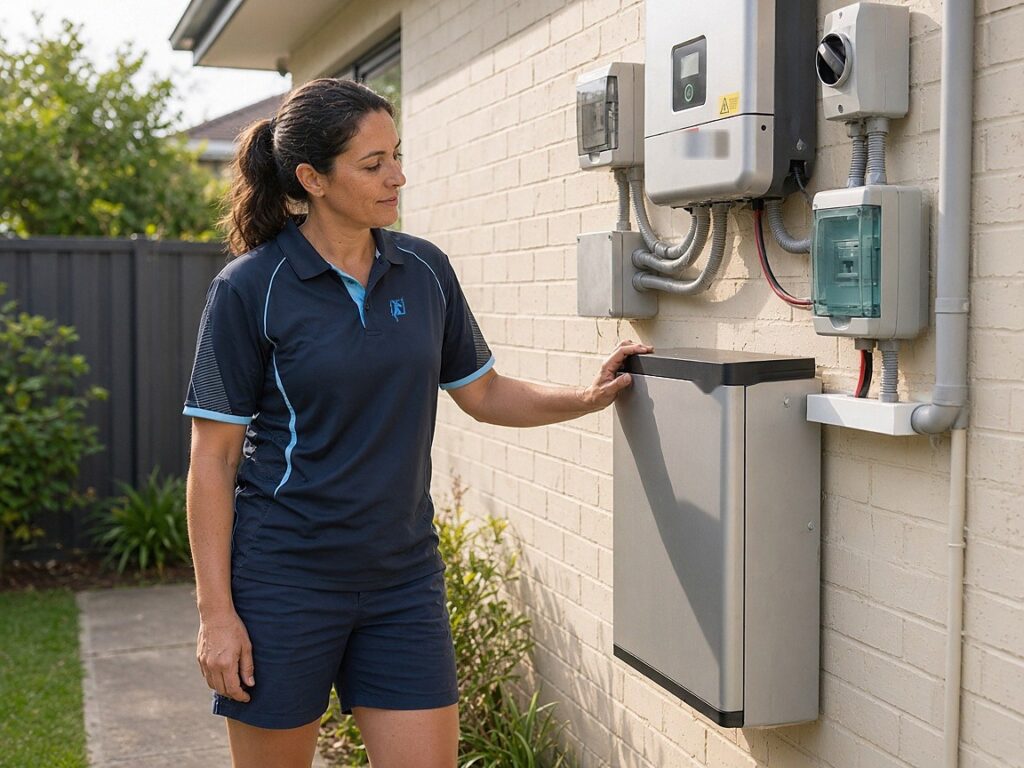
A lithium battery is the usual option for daily cycling on a grid-connected home. Lithium batteries are compact for the energy they hold, need little routine maintenance and are designed to charge and discharge every day. Most modern home batteries sold for solar storage use a lithium chemistry, and they usually come as a sealed unit with built in management electronics.
Things to keep in mind:
- They usually cost more up front than lead acid options
- They need a compatible inverter or charger
- They should be installed in a suitable location, away from direct sun and heat where possible
Lead acid batteries
Lead acid batteries are an older technology. They are heavier and bulkier for the same amount of stored energy, and they are more often discussed for off-grid systems or setups where the battery is not cycled every day. Flooded lead acid batteries also need regular maintenance, such as checking water levels, and good ventilation.
AGM batteries
AGM batteries are a sealed type of lead acid battery. The electrolyte is held in a glass mat, so they do not need topping up with water. They are generally lower maintenance than flooded lead acid batteries.
Gel batteries
Gel batteries are another sealed lead acid type, where the electrolyte is set into a gel. Like AGM batteries, they are sealed and low maintenance, and they are mainly used in off-grid or backup setups.
Which type suits a typical Sydney home?
For most grid-connected homes that want to store solar power and use it each evening, a lithium battery is the type most often recommended, because it is designed for daily use and takes up less space. Lead acid options, including AGM and gel, can still make sense for some off-grid properties, sheds or backup setups where the battery is used less often and there is room for a larger bank. Your electrician can explain which type fits the way your household uses power.
For a deeper comparison, read lead acid battery vs lithium battery for solar storage and comparing different types of solar batteries on the market.
The Battery System, Solar Inverters and Cost
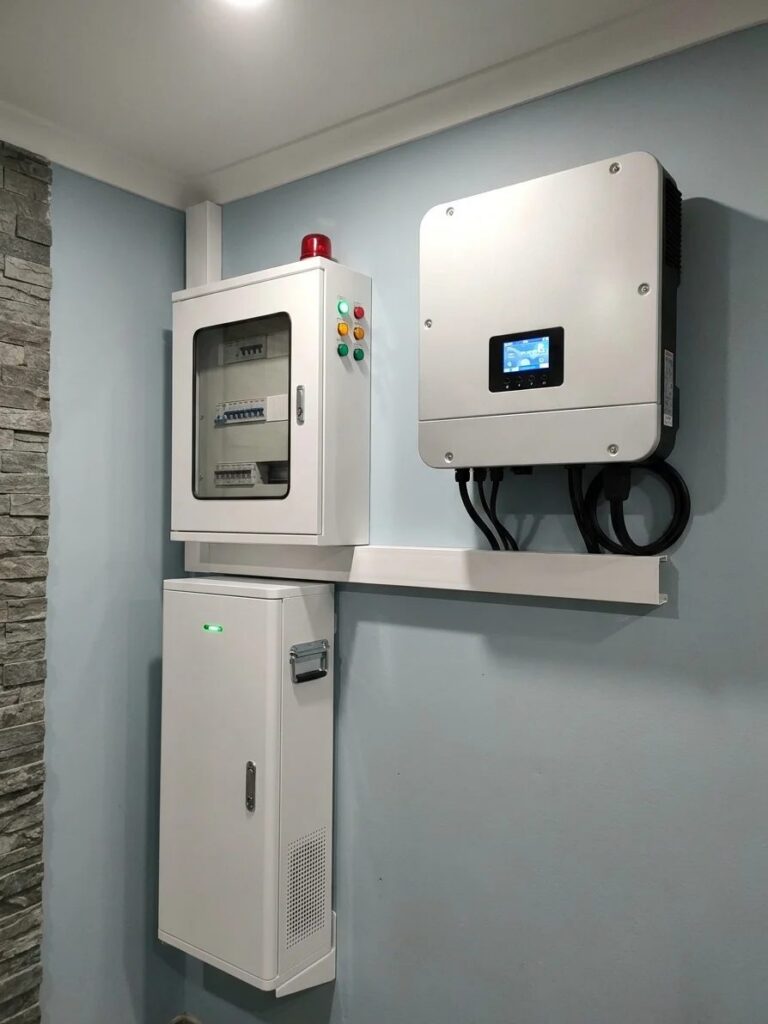
A battery does not work on its own. It needs to be matched with the right inverter. Home solar inverters come in different types, and adding a battery often means using a hybrid inverter or a separate battery inverter. Whether your existing inverter can work with a battery depends on its model and age, so a qualified electrician should check it before you choose.
Other things that affect your decision include:
- How much power you use in the evening and at night
- The size of your solar system and how much extra power it makes
- Where the battery can be mounted safely
- Whether you want backup power during outages
- Your switchboard, which may need work to suit the new equipment
Safety matters with any battery. Home batteries should be installed by a qualified electrician in a suitable spot, with the right clearances, protection and labelling. Do not try to install, open or move a battery yourself. Once it is in place, keep the area around it clear and let your electrician know if you notice warning lights, unusual noises or heat.
Cost is a separate decision from battery type. As a general Australian guide, a typical 10 kWh battery, installed, after the usual federal discount, often costs around $7,000 to $11,000. A typical 20 kWh battery, installed, after the usual federal discount, usually costs around $14,000 to $19,000. A federal discount may apply to eligible batteries, and the quote will show it. Your electrician will confirm the price for your job. Call us for a free quote.
For more detail on sizing and installation, read what size solar battery do you need, how much do solar batteries cost and solar battery installation cost. For tips on picking a unit, see how to choose a solar battery.
Frequently Asked Questions
What are the main solar batteries types?
The main types are lithium batteries and lead acid batteries. Lead acid batteries include flooded, AGM and gel versions. Lithium batteries are the usual option for modern grid-connected homes.
Is a lithium battery better than lead acid for a home?
For a grid-connected home that uses its battery every day, lithium is the usual option because it is compact and low maintenance. Lead acid can still suit some off-grid or backup setups.
What is the difference between AGM and gel batteries?
Both are sealed lead acid batteries. AGM batteries hold the electrolyte in a glass mat, while gel batteries set it into a gel. Both are low maintenance compared with flooded lead acid batteries.
How much does a solar battery cost in Australia?
A typical 10 kWh battery usually costs around $7,000 to $11,000 installed, after the usual federal discount. A typical 20 kWh battery usually costs around $14,000 to $19,000 on the same basis.
Do I need a new inverter to add a solar battery?
It depends on your existing inverter. Some systems can add a battery with a separate battery inverter, while others need a hybrid inverter. A qualified electrician will confirm what your system needs.
Talk to Charlie Sparks About Solar for Your Home
Charlie Sparks is a Condell Park solar and electrical company helping homes in Bankstown, Yagoona, Bass Hill and across greater Sydney. Sydney’s Trusted Solar Installers with Solar Accreditation (SAA) for safe, quality, and on-time solar and electrical solutions. Serving New South Wales residents, businesses, and strata estates for over a decade.
Call us for a free quote.
Call Charlie Sparks on (02) 8310 4077. We are open Monday to Saturday, 7am to 6pm. Closed Sunday. You can also contact Charlie Sparks online.