
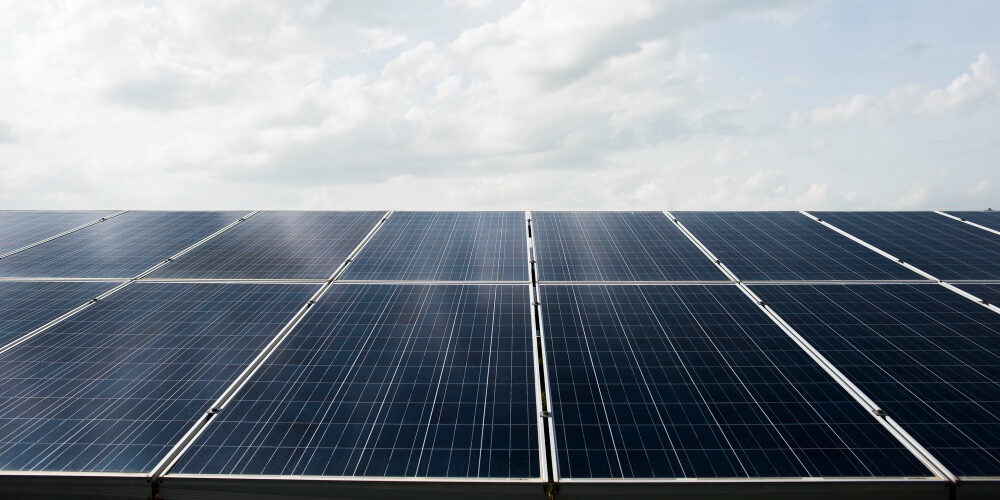
The right solar battery size for most Australian households is between 10kWh and 13.5kWh, enough to cover the roughly 10kWh consumed after dark when your panels are no longer generating. That said, your ideal size depends on how much electricity you use, what you want to achieve, and how much you are willing to spend. Getting this right from the start saves you money and avoids the frustration of a system that either falls short or sits largely unused.
Not Sure What Size Battery You Need?
Battery sizing depends on your usage, your goals and your panels. Get a free assessment from Charlie Sparks.
Why Battery Size Matters
A solar panel system generates electricity during daylight hours. Any energy your household doesn’t use in that window either flows back to the grid or, if you have battery storage, gets saved for later. The battery is what bridges the gap between when your panels produce power and when your household actually needs it most, typically evenings, early mornings, and overcast days.
Size your battery too small and you will still be drawing heavily from the grid at night. Size it too large and you are paying for storage capacity you will rarely fill. Both outcomes cost you more than they should.
Start With Your Electricity Consumption
The average Australian household uses around 16kWh of electricity per day. Of that, roughly one-third (about 5.3kWh) is typically consumed during daylight hours when solar panels are active. That leaves approximately 10kWh that you would otherwise draw from the grid after sunset.
As a starting point, a battery with at least 10kWh of usable capacity covers that overnight demand for most homes. If you have a larger household, run a pool pump, charge an electric vehicle, or use ducted air conditioning frequently, your needs will be higher.
A Simple Way to Estimate Your Battery Size
Battery capacity (kWh) = Daily energy use (kWh) × Days of autonomy wanted ÷ (1 minus desired state of charge)
For example, if your household uses 1.9kWh overnight and you want three days of backup, with a 50% state of charge maintained:
1.9 × 3 ÷ (1 – 0.5) = 11.4kWh
This gives you a target battery bank size of around 11.4kWh, consistent with the popular 10kWh to 13.5kWh range recommended for a standard 5kW solar system.
What Is Your Goal?
Not everyone buys a battery for the same reason. Knowing your goal shapes the size you need.
Reducing grid electricity costs: Most households fall into this camp. A 10kWh battery is often sufficient to significantly reduce overnight grid usage without overspending on capacity you will not use.
Backup power during outages: If blackout protection matters to you, particularly useful in regional Queensland, Western Australia, or areas prone to storm-related outages, you may want to size up. Consider how many critical appliances you need to keep running and for how long.
Full energy independence: Going completely off-grid is possible but generally not cost-effective for households with grid access. For most people, a hybrid approach (solar, battery, and grid as a backup) delivers the best financial outcome.
Not sure which goal fits your situation? The team at Charlie Sparks can walk you through the options and help you work out what makes sense for your home. Get in touch for a no-obligation chat.
Budget: What Can You Realistically Afford?
Solar batteries are priced at roughly $1,000 per kWh. A 10kWh battery will therefore cost in the vicinity of $10,000, and larger systems climb accordingly. Installation, inverter compatibility, and labour add to this figure.
If your budget sits below $10,000, a smaller battery of 5kWh or less can still be worthwhile, particularly for low-consumption households or those who simply want to reduce peak-rate grid usage in the evenings.
It is worth noting that battery prices have been falling steadily as the market matures. Incentives and rebates are also available in several Australian states, which can meaningfully reduce the upfront cost.
Your Solar Panel System Size
The capacity of your solar panel array directly affects how much energy is available to charge your battery each day.
If you already have a 5kW system, a 10kWh to 13.5kWh battery is a natural match. A smaller array may not generate enough surplus to reliably fill a larger battery during winter months or extended cloudy periods.
If you are purchasing solar panels and a battery together, this is your opportunity to design the system holistically, matching panel output, battery capacity, and your household’s daily profile so everything works in balance.
Charlie Sparks can assess your existing system or design a new one from scratch. Reach out to the team for a free solar and battery assessment.
Types of Solar Batteries
Sealed lead-acid batteries are among the oldest rechargeable battery technologies and remain popular due to their reliability and lower upfront cost. They are well-suited to applications where space is not at a premium and deep cycling is not required constantly.
Deep cycle batteries are the standard choice for solar storage. Designed to be discharged and recharged repeatedly, they handle the daily charge-discharge cycle of a solar system far better than shallow cycle alternatives. Most residential lithium-ion batteries, the current market favourite, fall within this category.
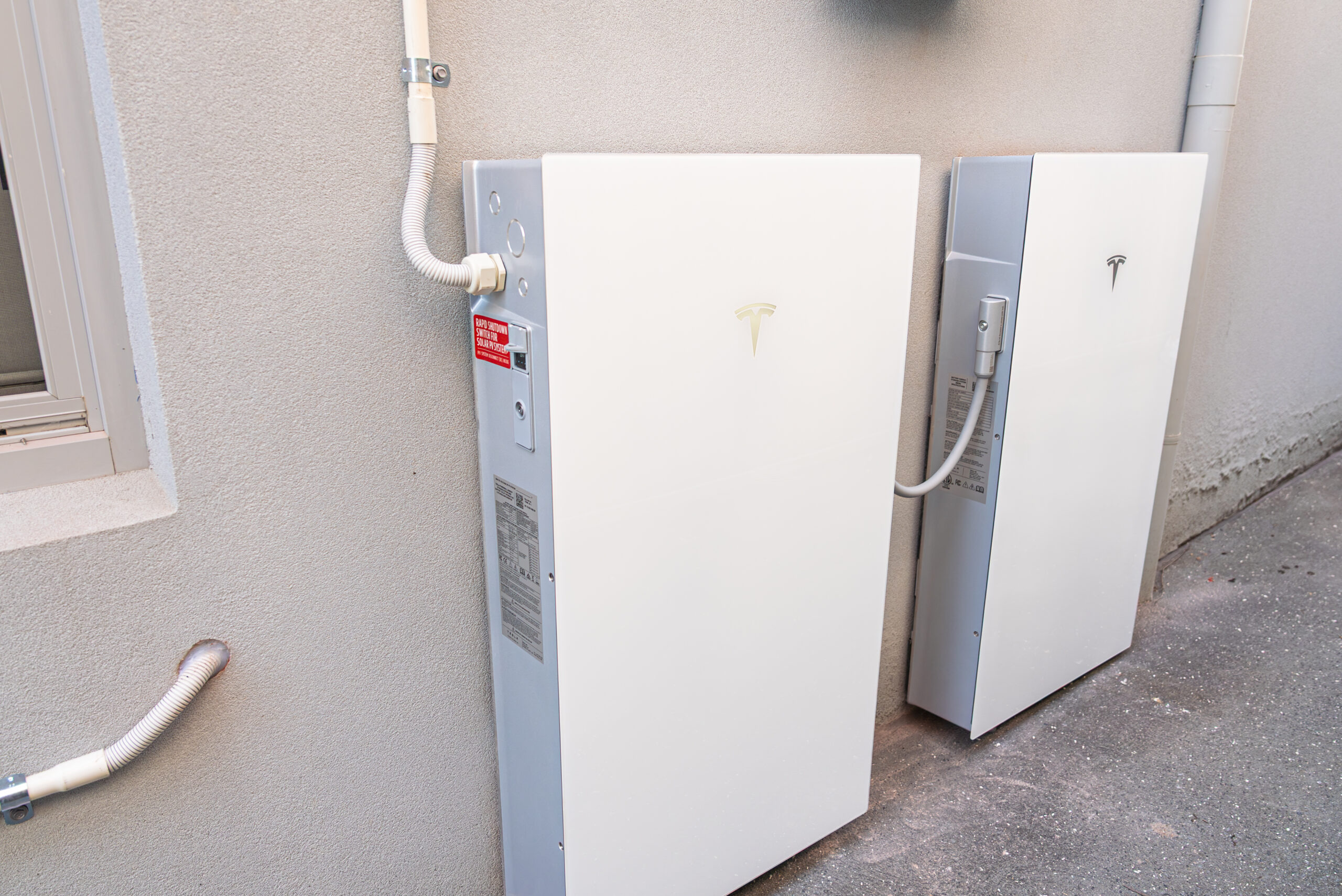
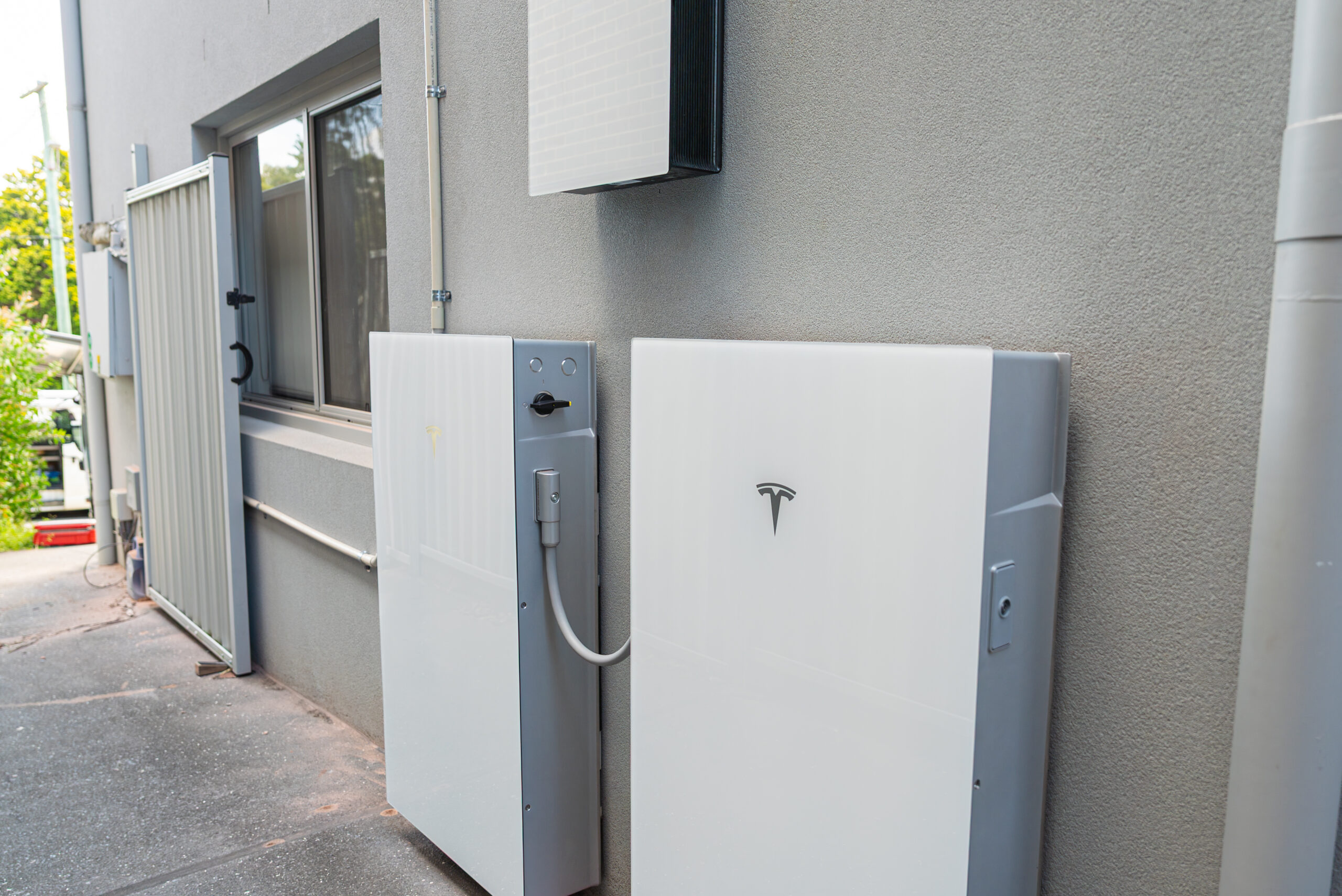
Lithium-ion batteries (such as the Tesla Powerwall or BYD batteries) offer higher energy density, longer cycle life, and better performance at partial states of charge compared to lead-acid options. They typically carry a higher price tag but often deliver better value over their lifespan.
Get the Right Fit for Your Home
Talk to Charlie Sparks for a battery sized around your actual consumption, not a generic package.
Frequently Asked Questions
Are solar batteries worth it in Australia?
For most households, yes. Electricity prices in Australia are among the highest in the world, and a battery reduces your reliance on grid power during peak-rate evening periods. The payback period has shortened considerably as battery costs have dropped.
How long will a solar battery last?
Most quality lithium-ion batteries are rated for 10 years or 3,000 to 6,000 charge cycles, whichever comes first. Many manufacturers back this with performance warranties.
Can I add a battery to my existing solar system?
In most cases, yes. Compatibility depends on your current inverter. A hybrid inverter may be required. A licensed electrician or solar installer can assess your setup.
What size battery do I need for a 6.6kW solar system?
A 6.6kW system typically produces 26kWh to 30kWh per day in good conditions. A 13.5kWh battery is a common pairing and will cover most overnight needs with capacity to spare.
Do batteries work during a blackout?
Not automatically. You need a battery with blackout protection (islanding) capability and the correct configuration. Ask your installer specifically about this before purchasing.
Ready to Find the Right Fit?
Choosing the right solar battery is not one-size-fits-all. Your daily consumption, your goals, your panel array, and your budget all shape the right answer for your home.
Charlie Sparks specialises in solar and battery installations across Australia. Contact the team today for expert advice and a system designed around your actual needs, not a generic package.