
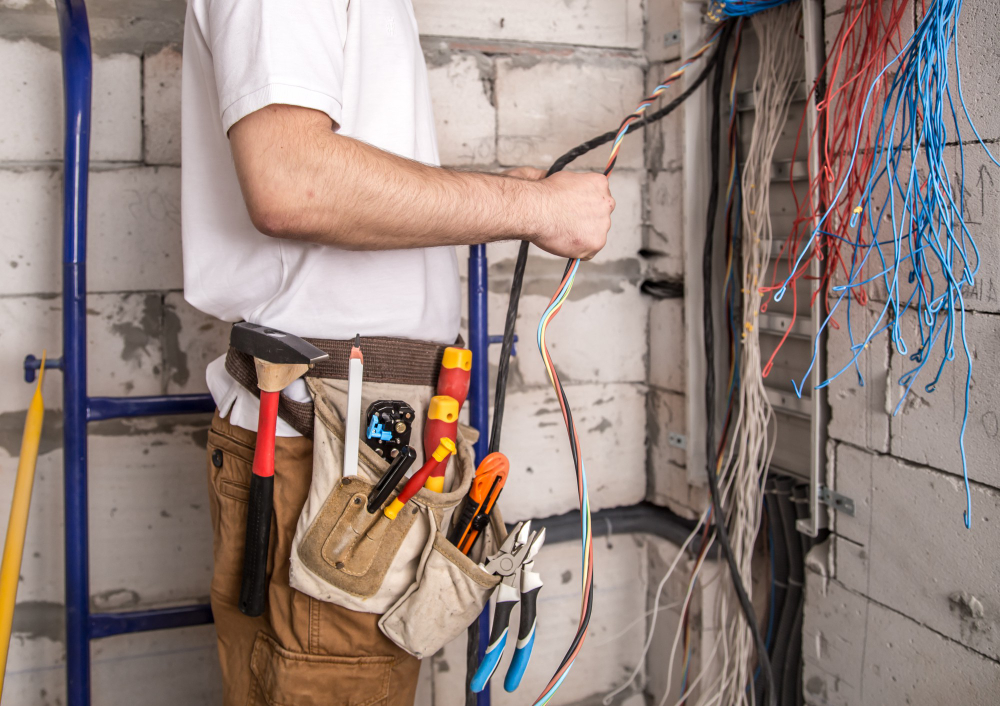
The most common wiring found in Australian homes is non-metallic (NM) cable, a flexible, sheathed cable used to connect everything from power points and light switches to kitchen appliances and ceiling fans. It suits the majority of interior residential applications and has been the standard choice for domestic electrical installations for decades. That said, modern homes use a mix of several cable types depending on the location, purpose, and load requirements of each circuit. Understanding which wire does what helps you spot potential issues early and have more informed conversations with your electrician.
Worried About Old Wiring?
Ageing cable is a leading cause of house fires. Get your wiring checked by a licensed Sydney electrician.
Non-Metallic Cable: The Everyday Workhorse
Non-metallic cable is the go-to wiring for most interior circuits in Australian homes. It consists of insulated conductors bundled inside a plastic outer sheath, making it straightforward to run through wall cavities, ceiling spaces, and along floor joists. It handles the day-to-day demands of general power circuits, lighting, and small appliances without issue.
Because its outer sheathing is plastic rather than metal, NM cable performs best in dry, protected environments. Running it through areas exposed to moisture, physical impact, or extreme heat is not recommended. For those situations, other cable types are better suited.
Not sure if your home’s existing wiring is up to scratch? Charlie Sparks offers free electrical safety assessments for homeowners across the region. Give us a ring and we’ll take a look.
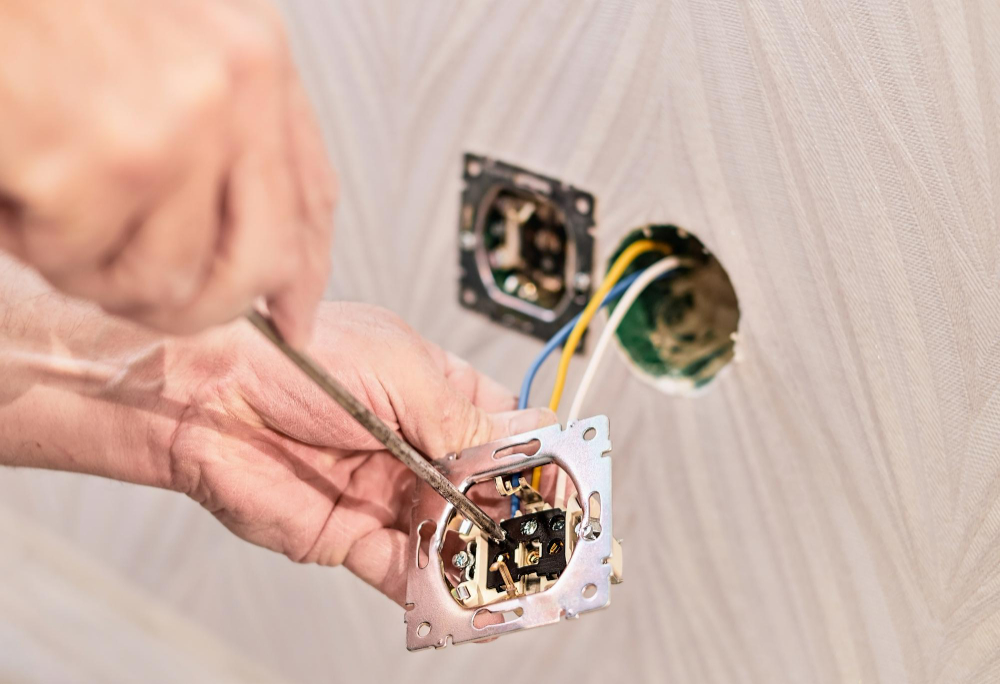
Metal-Clad and Armoured Cable: Built for Tougher Conditions
Where NM cable is not sufficient, metal-clad (MC) cable steps in. MC cable wraps its insulated conductors in a flexible aluminium armour, offering considerably more protection against physical damage, rodent interference, moisture, and fire risk. It is commonly used in garages, workshops, and any area where wiring may be exposed or subject to impact.
Armoured cable is similar in concept, using a metallic sheath over its conductors. It is suited to residential buildings of up to three storeys and provides a reliable solution for runs that need extra durability. Because both types are more complex to install than standard NM cable, they are almost always handled by licensed electricians.
Underground Feeder Cable: For Outdoor and External Circuits
Any wiring that needs to run underground, whether to a garden shed, outdoor lighting, or a detached garage, requires underground feeder (UF) cable. Unlike standard NM cable, UF cable has solid plastic insulation moulded directly around each conductor, making it resistant to moisture and soil contact.
Outdoor circuits power everything from pool pumps and garden lighting to air conditioning units mounted on external walls. Using the wrong cable type in these applications is a common cause of electrical faults and safety hazards, so getting the right product installed from the start matters.
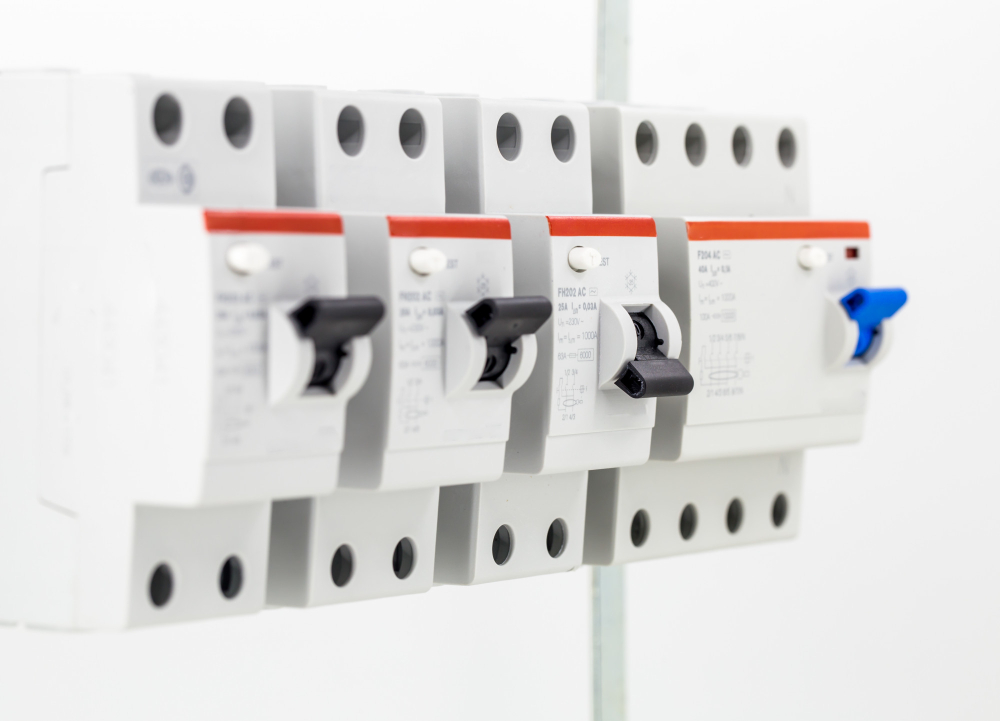
Low-Voltage Wiring: Doorbells, Thermostats, and Sprinklers
Not every circuit in your home runs at mains voltage. Low-voltage wiring handles systems operating at 50 volts or less, including:
- Doorbells and intercom systems
- Ducted heating and cooling thermostats
- Irrigation and sprinkler controllers
- In-ceiling and in-wall speaker setups
These cables are lighter and more flexible than standard electrical wiring. They are still insulated, often twisted or sheathed, and must not be used on circuits running at higher voltages.
Data and Phone Wiring: Keeping You Connected
Dedicated telephone and data cabling runs separately from your main electrical circuits. These cables create the physical backbone for landline telephone services and structured home networking.
While Wi-Fi has reduced the reliance on wired data connections in many households, a properly cabled home network still offers faster, more stable connectivity for streaming, gaming, and working from home. New builds often include Cat6 data cabling as standard, and retrofit installations are straightforward for a licensed cabler.
Coaxial Cable: Still Relevant in Some Homes
Coaxial cable was once the standard for connecting televisions to an antenna or cable service. While streaming has reduced its role significantly, it remains in use for satellite dish connections and some in-home pay television setups. It is recognisable by its round profile, copper inner conductor, and black or white outer insulation.
Thinking about upgrading your home’s cabling for data, TV, or a new outdoor circuit? Charlie Sparks handles the full scope, from residential electrical to data and communications cabling. Get in touch today.
Choosing the Right Wiring: What You Need to Know
Selecting the correct cable type is not just about matching it to the device it powers. Each circuit has specific amperage and voltage requirements, and the cable must be rated to handle those loads safely. Using undersized or incorrect cable is a leading cause of electrical fires and tripped breakers.
In Australia, all electrical work must be carried out by a licensed electrician. Attempting to install, replace, or modify wiring yourself is illegal in every state and territory, and for good reason. The risks of electric shock, fire, and damage to appliances are significant.
When in doubt, speak with a qualified professional before any work begins.
Ready to Get Your Wiring Sorted? Charlie Sparks Has You Covered.
Whether you are renovating, building new, or concerned about the condition of your existing wiring, Charlie Sparks delivers licensed, reliable electrical services you can count on. Our team works across residential and light commercial properties, and we do not cut corners when it comes to safety or compliance. Book online to schedule your electrical inspection or installation.
Book a Wiring Inspection
Charlie Sparks will assess your wiring and tell you straight what needs doing and why.
Frequently Asked Questions
What is the most common electrical cable used in Australian homes?
Non-metallic (NM) cable is the most widely used wiring type in domestic properties. It suits the vast majority of interior circuits including lighting, power points, and general appliances.
How do I know if my home’s wiring needs replacing?
Warning signs include frequently tripping circuit breakers, flickering lights, discoloured power points, a burning smell near outlets, or wiring that is more than 25 to 30 years old. A licensed electrician can assess your switchboard and wiring and advise on what needs attention.
Can I do my own electrical wiring in Australia?
No. All electrical installation work in Australia must be performed by a licensed electrician. This applies to new installations, repairs, and alterations. Unlicensed electrical work is illegal and voids your home insurance in most cases.
What type of wiring is used for outdoor or underground circuits?
Underground feeder (UF) cable is used for circuits that run underground or in exposed outdoor conditions. It has solid, moisture-resistant insulation suitable for ground contact.
What is the difference between armoured cable and standard NM cable?
Standard NM cable uses a plastic outer sheath and is suited to protected interior environments. Armoured cable has a metallic protective sheath, offering considerably more resistance to physical damage, moisture, and rodent interference.
How long does house wiring typically last?
Most modern wiring has a service life of around 25 to 40 years, depending on the materials used and environmental conditions. Older homes with original wiring may have aluminium conductors or cloth-sheathed cables that warrant a professional inspection and possible upgrade.