
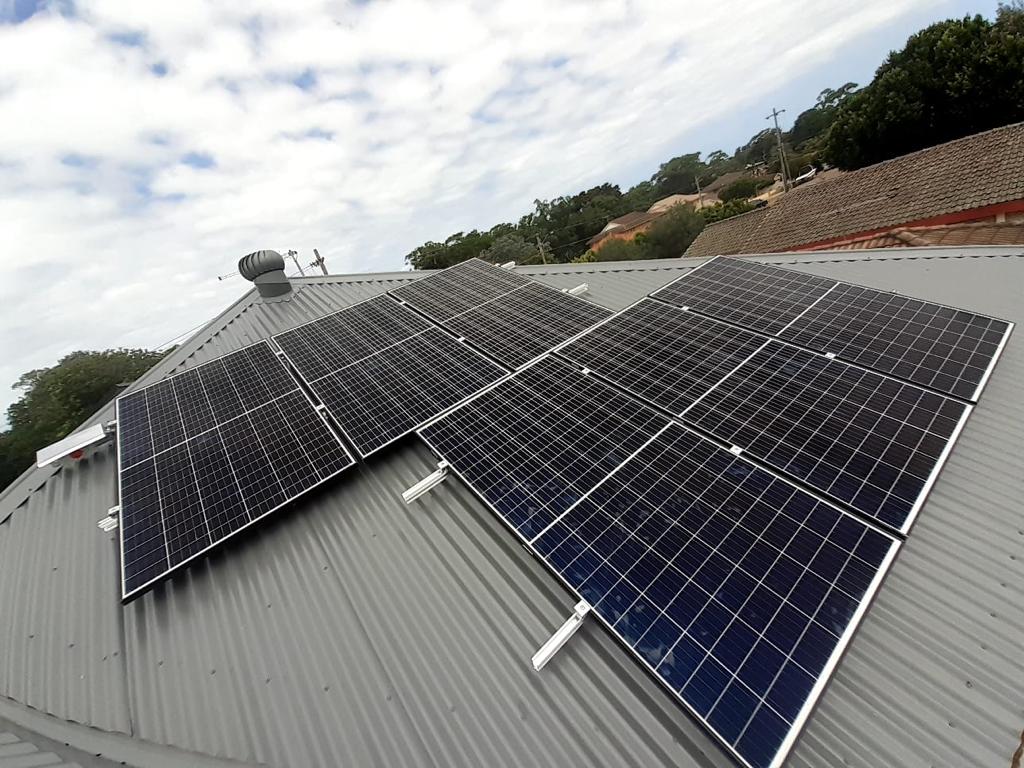
Choosing solar for your home in Australia usually starts with one tricky question: which panel type is best? Sit through any quote and you will hear three names thrown around. Monocrystalline, polycrystalline and thin-film. Each looks similar on a roof, yet they behave very differently in the sun, on your budget and across twenty-odd years of service.
Here is a plain-English breakdown of how the three compare, with a close look at the monocrystalline vs polycrystalline solar PV panels question that most homeowners get stuck on.
Need a Reliable Electrician?
From electrical repairs to solar installations, our licensed team delivers safe, efficient, and high-quality solutions. Get in touch today for a free quote.
The three solar panel types, explained
Solar panels turn sunlight into electricity using silicon cells. The way that silicon is made is what sets the three main types apart.
- Monocrystalline panels use a single, pure silicon crystal. They are the sleek black panels you see on most modern Australian homes.
- Polycrystalline panels are made from many silicon fragments melted together, which gives them a blue, speckled look.
- Thin-film panels skip rigid silicon wafers altogether and layer thin material onto a flexible backing.
Monocrystalline vs polycrystalline solar PV panels
This is the comparison that matters most for the average rooftop. Both are reliable, both will run your home for decades, but the differences add up.
- Efficiency: Monocrystalline panels convert more sunlight per square metre, so you generate more power from less roof.
- Cost: Polycrystalline panels are usually cheaper to buy upfront, which can suit a tight budget or a large, open roof.
- Heat tolerance: Monocrystalline handles hot conditions slightly better, a real advantage through an Australian summer.
- Appearance: Mono panels are black and uniform; poly panels are blue and patterned. On a street-facing roof, looks can matter.
- Roof space: If your roof is small or oddly shaped, mono lets you fit more capacity into the area you have.
The short version: monocrystalline costs a little more but earns its keep on small or hot roofs. Polycrystalline saves money upfront when space is not tight.
Where thin-film panels fit in
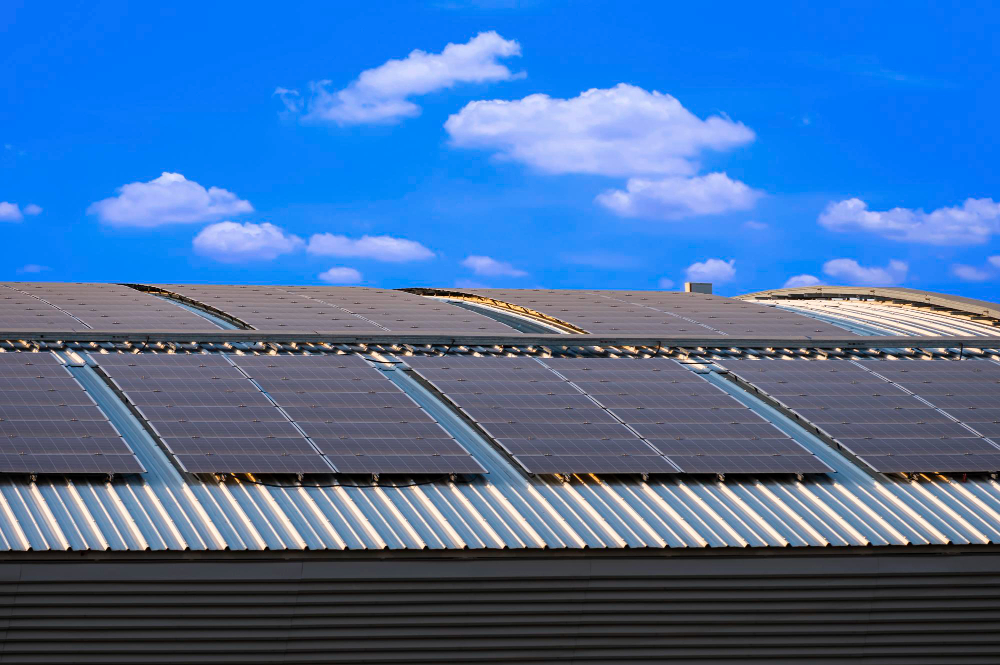
Thin-film panels are light, flexible and quick to install. They do their best work on large commercial roofs, sheds and surfaces that cannot carry heavy framed panels. The trade-off is efficiency. Thin-film needs far more area to match the output of a mono or poly array, so it rarely suits a standard suburban roof where every square metre counts.
Which panel suits your Australian roof?
There is no single winner. The right choice depends on your roof, your budget and how much power you want to draw from the sun.
- Limited roof space: Go monocrystalline for the most power per panel.
- Value-led budget: Polycrystalline can lower your upfront spend.
- Big commercial or shed roof: Thin-film may be worth a look.
For most homes our team installs across the area, monocrystalline is the practical pick because it makes the most of a hot climate and a finite roof. That said, a proper site assessment beats any rule of thumb. Our solar panel installation service includes a roof and shading check, so the panel type is matched to your home rather than guessed.
Power Your Home with Confidence
Whether it’s a small repair or a complete electrical upgrade, Charlie Sparks is ready to help with prompt, professional service you can trust.
Frequently Asked Questions
Do monocrystalline panels last longer than polycrystalline?
Both types carry similar long warranties and will run well past two decades. Build quality and a clean installation matter more for lifespan than the crystal type on its own.
Are monocrystalline panels worth the extra cost?
On a small or shaded roof, yes. The higher efficiency lets you fit more power into less space, which often pays off over the life of the system. On a large open roof, polycrystalline can be the smarter buy.
Which panel type handles Australian heat best?
Monocrystalline panels generally lose slightly less output as temperatures climb, giving them an edge through summer. Good airflow under the panels helps every type perform.
Can I mix panel types on one roof?
It is usually best to keep one type per system so the array performs evenly. A licensed installer can confirm the right setup for your roof.
Still unsure which panels suit your home? Charlie Sparks can assess your roof and recommend the right system without the sales spin. Get in touch for a straight answer and a clear quote.