
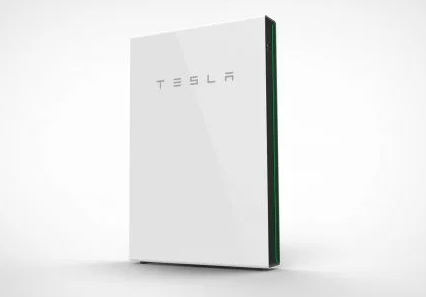
If you’re shopping for a solar battery in Australia, here’s the short answer: expect to pay roughly $1,000 per kWh of storage capacity, plus installation. That means a 6kWh battery, which suits most Australian homes, will run you approximately $6,000 before installation costs are added. Prices vary based on brand, chemistry, and system size, but that figure gives you a solid starting point for budgeting.
Thinking About a Solar Battery?
Get real pricing for your home instead of a ballpark figure. Book a free assessment with Charlie Sparks.
What Is a Solar Battery and Why Would You Need One?
A solar battery stores the energy generated by your solar panels so you can use it later, whether that’s in the evening, on a cloudy day, or during a power outage. In an off-grid setup, a battery is non-negotiable. In an on-grid setup, it is optional but increasingly popular, especially as electricity tariffs continue to rise across Australia.
For homeowners in areas prone to blackouts, or those whose energy retailers don’t offer fair feed-in tariffs, pairing a battery with existing or new solar panels can make a significant difference to both reliability and running costs.
Thinking about whether solar storage makes sense for your home? Charlie Sparks can walk you through your options with no pressure and no jargon. Get in touch for a free chat today.
Solar Battery Prices by Size
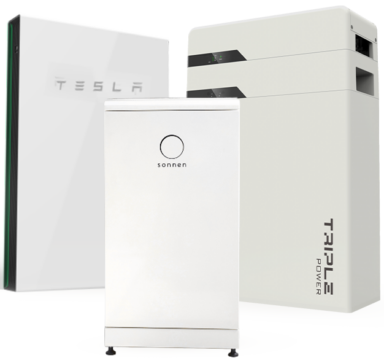
The table below gives a general guide to battery costs in Australia based on storage capacity. These are supply-only estimates; installation is additional.
| Battery Size | Estimated Cost |
|---|---|
| 4kWh | ~$4,000 |
| 5kWh | ~$5,000 |
| 6kWh | ~$6,000 |
| 7kWh | ~$7,000 |
| 8kWh | ~$8,000 |
| 9kWh | ~$9,000 |
| 10kWh | ~$10,000 |
Keep in mind these are rough ballpark figures. The actual cost you’ll pay depends on several factors, which we cover below.
What Affects the Price of a Solar Battery?
Brand and Manufacturer
As with any product, the brand you choose plays a major role in pricing. Premium brands typically carry higher price tags but also come with longer warranties, better support, and stronger performance records. Budget options exist, but it pays to research longevity and reliability before committing.
Battery Chemistry
Most residential solar batteries in Australia use lithium-ion technology, and within that category there are two main types: lithium iron phosphate (LFP) and nickel manganese cobalt (NMC). NMC batteries have been around longer and tend to cost less upfront. LFP batteries are generally considered safer and have a longer cycle life, making them increasingly popular despite a slightly higher entry price.
Lead-acid batteries are cheaper still, but they require more maintenance, degrade faster, and offer lower usable capacity, so they’re rarely the right choice for a modern residential installation.
How Many Batteries You Need
One battery may be sufficient to cover your essential circuits during a blackout, such as the fridge, lights, and phone charging. However, if you want to run your air conditioning or power a larger home through the night, you may need two or more units. Your consumption habits and the number of appliances you want covered will determine this.
Backup Load Panel
If your battery system can’t power your whole house, an electrician may need to install a backup load panel, also called a sub-panel, to route battery power only to the circuits that matter most. This addition can cost between $1,000 and $2,000 on top of the battery and standard installation fees.
Labour Costs
Installing a battery at the same time as your solar panels usually reduces overall labour costs, since the electrician handles both jobs in one visit. Retrofitting a battery to an existing system involves a separate visit and may cost more in workforce fees.
Rebates and Incentives
Australia offers a number of rebates and incentives at both state and federal level that can meaningfully reduce the upfront cost of a solar battery. Depending on your state and eligibility, you may be able to claim significant discounts. It’s worth checking what’s available in your area before purchasing, as these programmes change regularly.
How Much Can a Solar Battery Save You?
Savings vary widely depending on your electricity consumption, your tariff structure, and battery size, but Australian households with solar batteries typically save between $100 and $1,000 or more per year. The payback period for most systems sits between 10 and 20 years, though this is shortening as battery costs continue to fall and electricity prices continue to rise.
Are Solar Batteries Worth It?
For many Australian homeowners, yes, particularly those who experience regular blackouts, live in areas where net metering isn’t available, or simply want to reduce their dependence on the grid. If environmental impact is important to you, a battery increases the proportion of renewable energy your household actually uses rather than exporting surplus back to the grid for minimal return.
That said, if your energy retailer offers strong feed-in tariffs and your grid is reliable, the financial case for a battery alone is less clear-cut. The decision really comes down to your specific circumstances.
Ready to get a proper assessment for your property? Charlie Sparks offers obligation-free solar battery consultations across Australia. Contact the team today and find out exactly what’s right for you.
Ready for an Accurate Battery Quote?
Talk to Charlie Sparks today for a battery quote built around your actual usage and setup.
Frequently Asked Questions
Can I add a solar battery to my existing solar system?
Yes, in most cases a battery can be retrofitted to an existing solar setup, though compatibility with your current inverter should be checked by a qualified electrician before purchasing.
Is a 5kWh battery the same as a 5kW battery?
No. kWh refers to energy storage capacity, while kW refers to power output. A 5kWh battery stores 5 kilowatt-hours of energy; a 5kW rating indicates how quickly that energy can be discharged. Both specs matter when choosing a battery.
Can I install a solar battery myself?
No. Solar battery installation must be carried out by a licensed electrician in Australia. Attempting a DIY install is illegal, dangerous, and will void your product warranty.
What size battery do I need for my home?
This depends on your daily electricity usage, how many appliances you want to run on battery power, and whether you want backup during outages or simply want to use stored solar power after dark. A qualified installer can calculate the right size for your situation.
Are there government rebates for solar batteries in Australia?
Yes. Several state governments offer rebates or interest-free loans for solar batteries, and eligible systems may also qualify for federal incentives. Availability and amounts change, so it’s best to check current programmes in your state or speak with an installer who can advise you.
How long do solar batteries last?
Most lithium-ion solar batteries are designed to last between 10 and 15 years, or a specified number of charge cycles. Many manufacturers offer warranties of 10 years as standard.
Get Accurate Solar Battery Pricing for Your Home
Every property is different, and so is every solar battery quote. The figures above give you a starting point, but the only way to know exactly what a system will cost, and what it will save you, is to get an assessment based on your actual usage and setup.
Talk to Charlie Sparks today for a no-obligation solar battery quote tailored to your home. Call us or fill in our online enquiry form and we’ll be in touch shortly.