
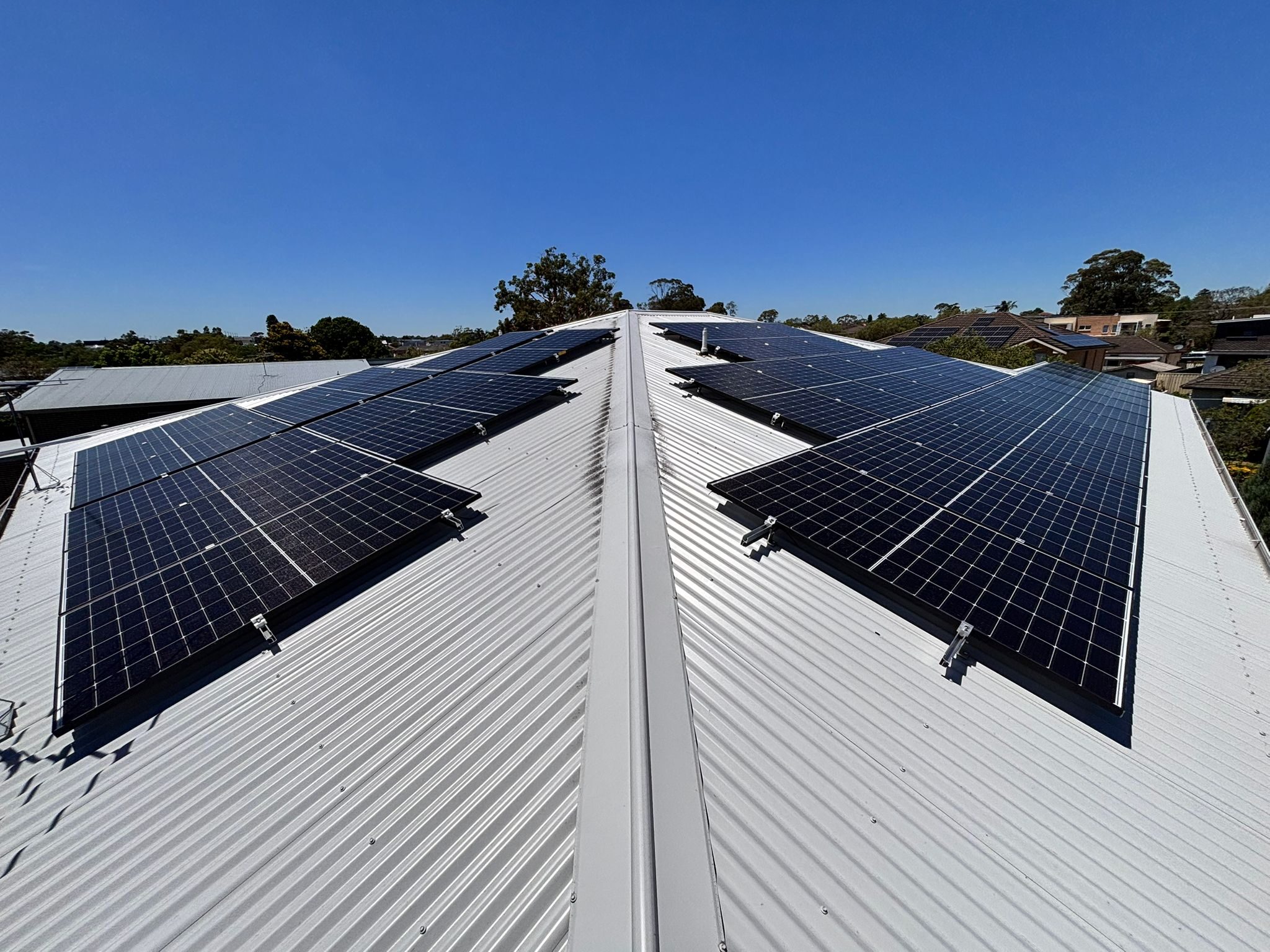
If you have put money into a rooftop solar system, the way your panels are pointed has a real effect on how much power you generate and how much you save. The best direction for solar panels to face is not always obvious, and the right answer depends on where you live and how your household uses electricity through the day.
Most homeowners assume that more sun means more power. That is true, but orientation and tilt decide how much of that sun your system actually captures across the day and the year. Getting it right is one of the simplest ways to lift the return on your investment.
Need a Reliable Electrician?
From electrical repairs to solar installations, our licensed team delivers safe, efficient, and high-quality solutions. Get in touch today for a free quote.
True North Is the Starting Point
In the Southern Hemisphere, panels facing true north capture the most sunlight over a full day. The sun tracks across the northern sky here, so a north-facing array sits in direct light for the longest stretch and produces the most total energy across the year.
One detail trips people up: this means true north, not magnetic north. A compass points to magnetic north, which across most of eastern Australia sits a few degrees to the east of true north. A good installer corrects for this when they set the array, so your panels line up with the sun rather than the compass needle.
When West or East Might Suit You Better
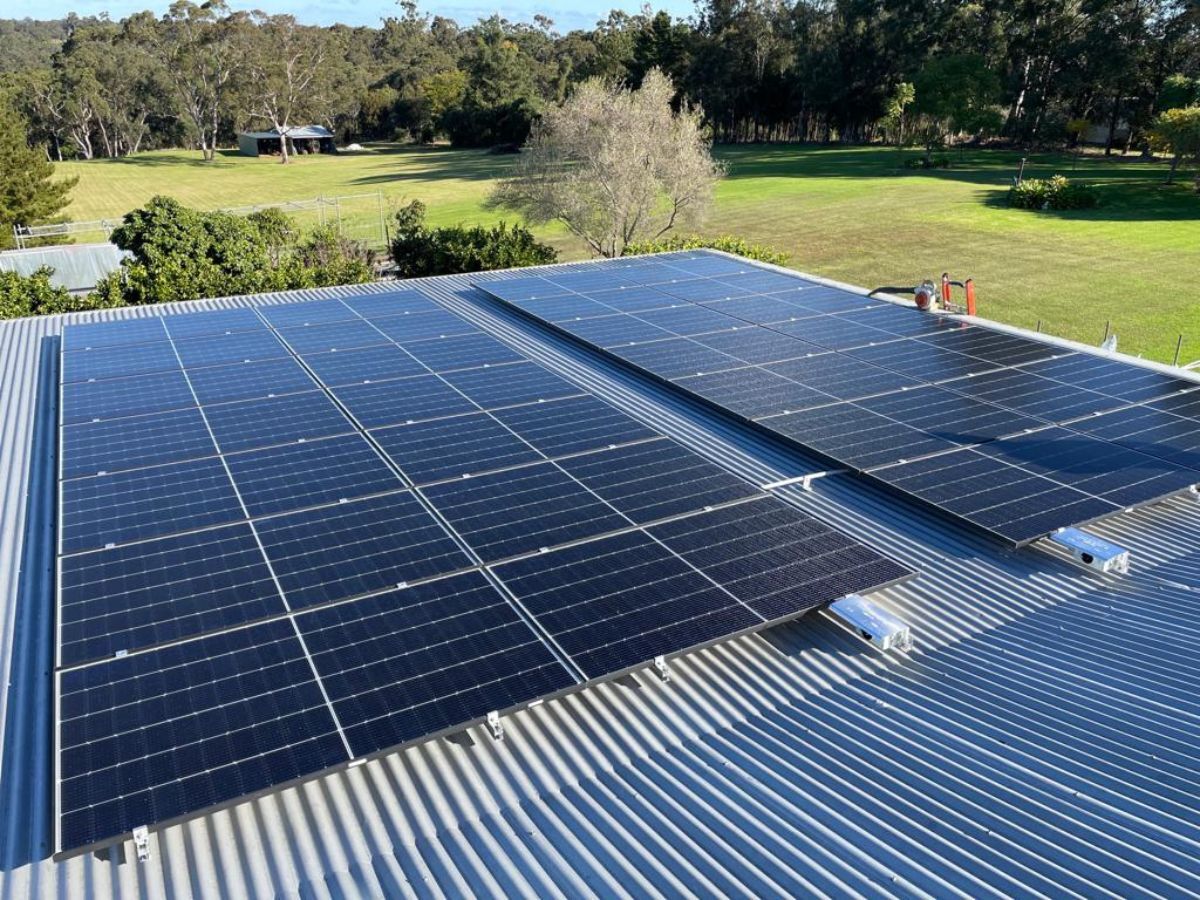
North gives the most total generation, but the best direction for solar panels to face is often the one that matches when you actually use power. Energy you use yourself is worth more than energy you send back to the grid, so timing counts.
- North: you want the most total output, or you have a strong feed-in tariff.
- West: you use most of your power in the late afternoon and evening.
- East: you run appliances in the morning, or you charge a battery early in the day.
- Split east-west: you want steadier generation spread across the whole day.
West-facing panels peak later in the day, when many families are home cooking, cooling the house, and running appliances. For households on a time-of-use tariff, that afternoon and evening generation can be more valuable than a higher midday peak you are not home to use.
Don't Forget Tilt and Shade
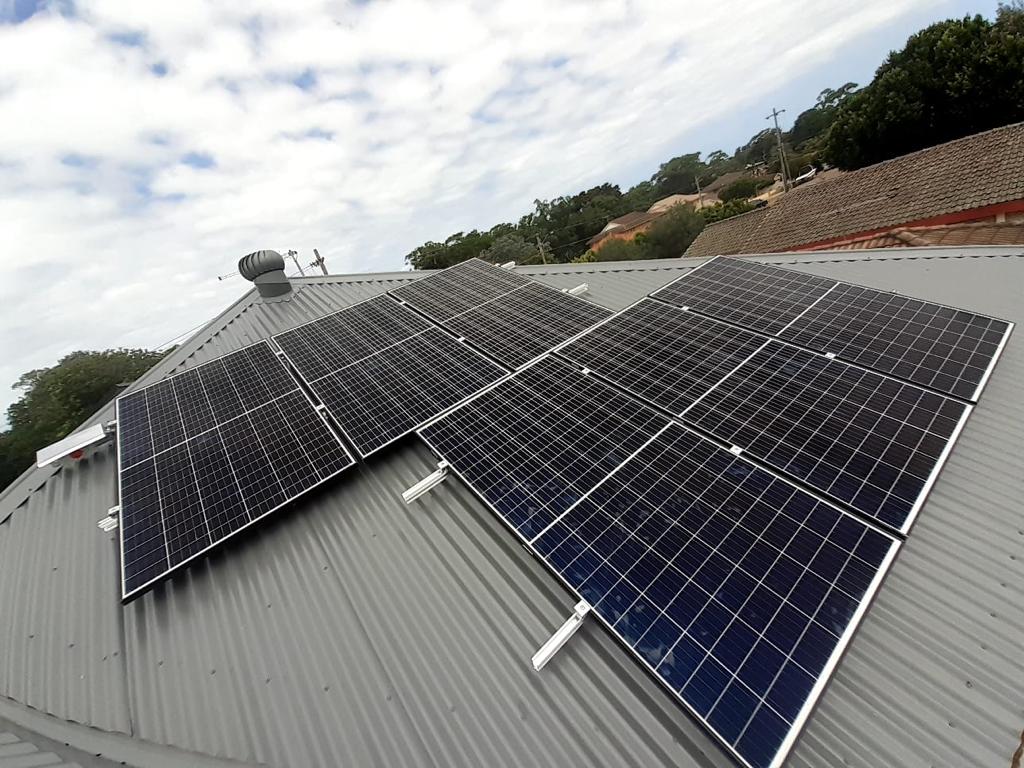
Direction is only half the picture. The angle, or tilt, of your panels also shapes how much they produce. A tilt roughly equal to your local latitude is a handy rule of thumb, though most Australian roof pitches already sit in a range that works well without special mounting.
Shade matters even more than a slightly imperfect direction. Trees, a chimney, or a neighbour’s roofline can cost you more output than facing a few degrees off north ever would.
A panel sitting in full sun will out-earn a perfectly aligned panel stuck in shade.
Matching Orientation to Your Goals
The best layout comes down to what you want from the system. If your goal is to cut your bills by using your own power, an east-west split or a west lean keeps generation flowing when you need it. If you want maximum total output and have a battery to store the surplus, north is hard to beat. This trade-off is something our team weighs up during a solar panel installation assessment, alongside your roof shape, shading, and how your family uses power.
Power Your Home with Confidence
Whether it’s a small repair or a complete electrical upgrade, Charlie Sparks is ready to help with prompt, professional service you can trust.
Frequently Asked Questions
What is the best direction for solar panels to face in Australia?
True north for the most energy across a full year. If you use most of your power in the evening, a west-facing or east-west split can suit you better.
Does magnetic north matter for solar panels?
No. Panels should be set to true north, not the magnetic north a compass shows. Your installer adjusts for the difference.
Is west-facing solar worth it?
Yes, for many homes. West-facing panels generate more in the afternoon and evening, which lines up with peak household use and time-of-use tariffs.
How much does direction change my output?
A north-facing system generally produces the most over a year, while east or west arrays trade a little total output for better timing. The right choice depends on your goals, not a single number.
Talk to Charlie Sparks About Your Roof
If you are not sure which direction will get the most from your roof, the team at Charlie Sparks can assess your home and design a system around how you actually use power. Get in touch with our team to find the best setup for your place.