
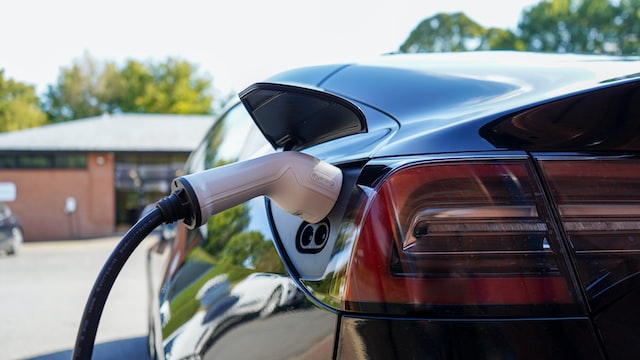
Buying your first electric vehicle is exciting, right up until you start shopping for a charger and hit a wall of levels, plug names, and wattage figures that all seem to contradict each other. If you are trying to make sense of the different types of EV chargers for your sydney home, you are not alone. Most of our customers come to us after an afternoon of reading product pages that left them more confused than when they started.
The good news is that you do not need an engineering degree to choose well. You need a plain explanation of how charging actually works and an honest view of what suits your house, your driving habits, and your switchboard. Here is how we break it down for homeowners across Sydney.
Need a Reliable Electrician?
From electrical repairs to solar installations, our licensed team delivers safe, efficient, and high-quality solutions. Get in touch today for a free quote.
Start With the Three Charging Levels
Almost every charger you come across falls into one of three levels. The level tells you how fast it charges and what kind of power supply it needs.
- Level 1 is the basic charger that often comes in the boot of a new EV. It plugs into a normal 10amp wall socket and trickles in roughly 10 to 15 kilometres of range an hour. Fine for a plug-in hybrid or a quiet week, slow for everyone else.
- Level 2 is the wall-mounted charger most Sydney homeowners end up wanting. It runs on a dedicated circuit and charges several times faster than Level 1, easily topping up a car overnight.
- Level 3, or DC fast charging, is the commercial-grade gear you see at service stations and shopping centres. It is not something you fit at home, since it needs a power supply most houses simply do not have.
For the vast majority of homes, Level 2 is the sweet spot between speed and practicality.
The Plug Types You Will Actually See
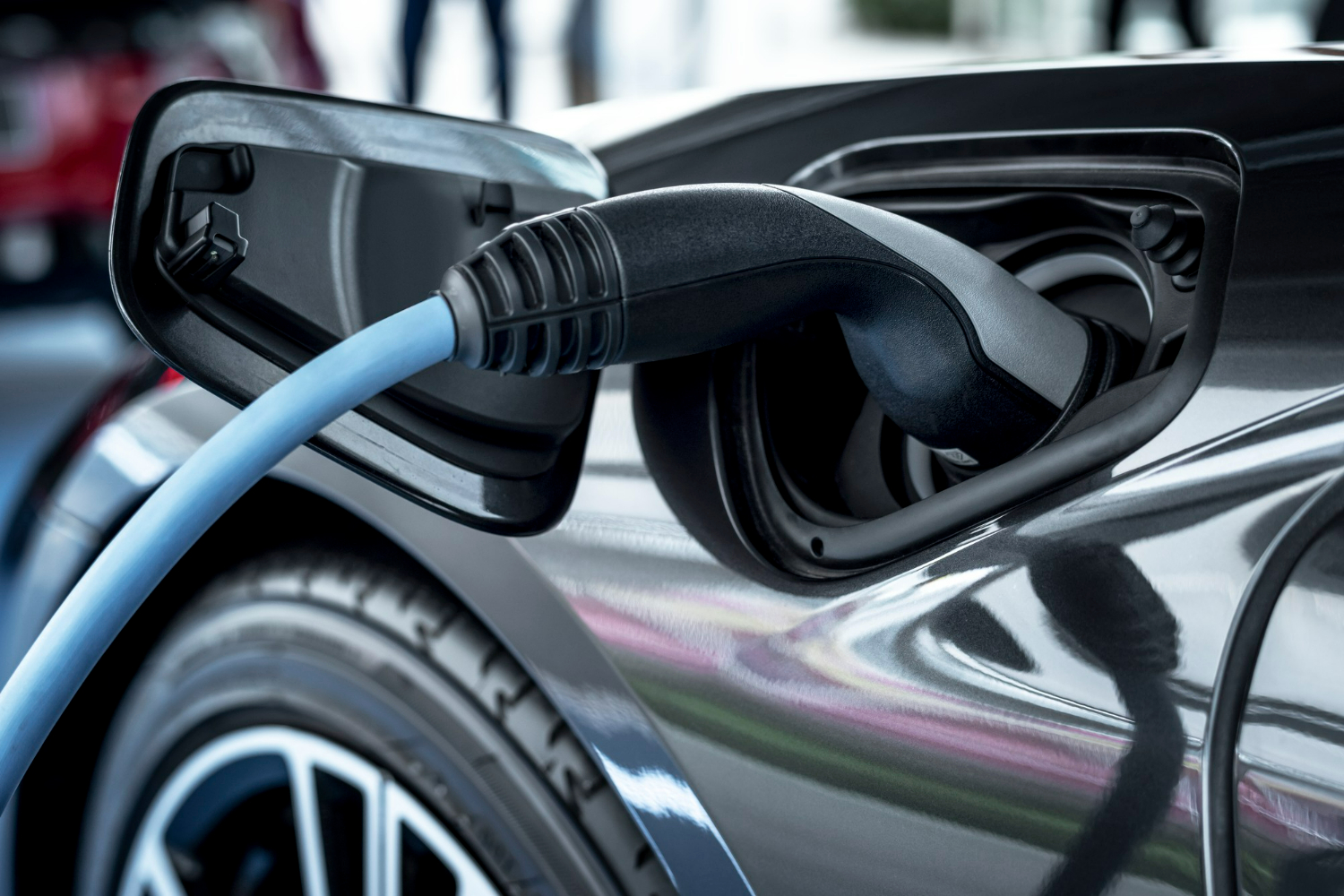
Charging levels describe speed. Plug types describe the physical connector. In Australia the list is short and getting shorter as standards settle.
- Type 2 (Mennekes): the standard AC connector on nearly every new EV sold here. If you buy a home charger, this is almost certainly what you will use.
- CCS2: the Type 2 plug with two extra pins for DC fast charging. You meet this one at public fast chargers, not at home.
- CHAdeMO: an older DC standard now fading out, found on a handful of earlier models.
For a home setup, Type 2 is the connector that matters. The rest mostly come into play when you charge away from the house.
Which of the Types of EV Chargers Suits a Sydney Home?
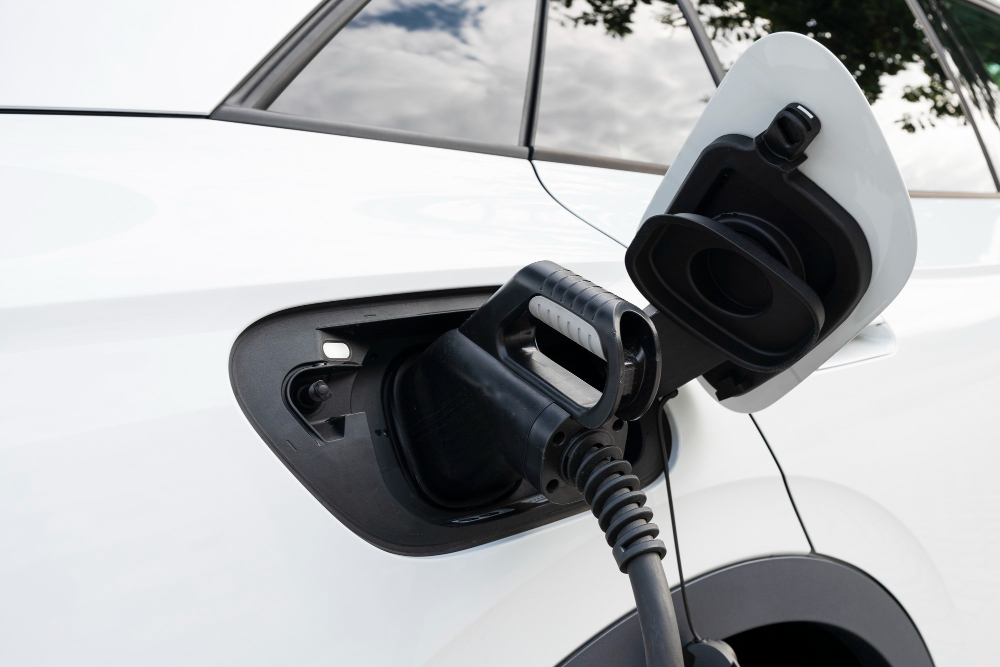
This is where the real decision sits, and it comes down to your power supply. Homes in Sydney run on either single-phase or three-phase power. A single-phase home typically supports a 7kW charger, which adds around 40 kilometres of range an hour. A three-phase home can run a 22kW unit and charge far quicker.
Before you buy anything, it pays to have a licensed electrician check what your property can handle. Our team covers this as part of our electrical services, including EV charger installation, switchboard assessment, and the wiring work that sits behind a safe charging point. A charger is only as good as the circuit feeding it.
The right charger is not the most powerful one. It is the one your home can run safely, overnight, without tripping the board.
What a Safe Installation Involves
A home charger is not a plug-and-play appliance. It is a fixed piece of electrical equipment that draws serious current for hours at a time, so the install needs to be done properly. A solid installation includes:
- A dedicated circuit running from your switchboard to the charger.
- Residual current protection to keep that circuit safe.
- A switchboard check to confirm it has the capacity and a spare way for the new circuit.
- Sensible cable placement so the unit sits where you actually park.
If your charger can talk to your rooftop solar, even better. Charging the car on power you have already generated is one of the cheapest ways to run an EV, and it is a setup we fit regularly for Sydney homes already running panels.
Power Your Home with Confidence
Whether it’s a small repair or a complete electrical upgrade, Charlie Sparks is ready to help with prompt, professional service you can trust.
Choosing Between the Types of EV Chargers
The decision gets simple once you know your power supply and your daily driving. Most homeowners land on a 7kW or 22kW Level 2 charger with a Type 2 plug, installed on its own circuit by a licensed sparky. If you want a clear recommendation based on your actual home rather than a generic spec sheet, book a chat with our team and we will sort it out.